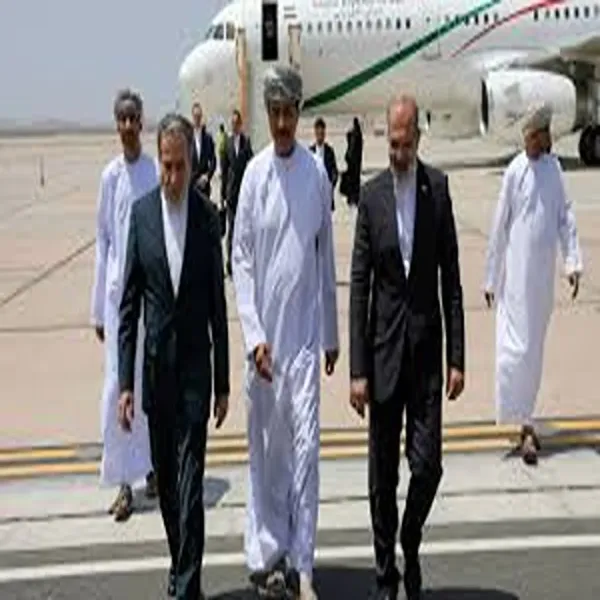
NuclearTalks – Iran’s Foreign Minister Abbas Araghchi has confirmed that a new round of discussions between Iran and the United States over nuclear matters will be held in Muscat on Friday morning. The announcement signals a renewed attempt by both nations to continue diplomatic engagement following earlier disruptions in negotiations. Araghchi shared the update through social media, acknowledging Oman’s role in organizing the meeting and facilitating communication between the two sides.
The upcoming negotiations will take place in Oman’s capital after Tehran reportedly requested the relocation of talks from Istanbul. According to Iranian state media, officials preferred Muscat due to its longstanding reputation as a neutral ground for delicate diplomatic exchanges. Oman has previously played a significant role in mediating discussions between the two countries, helping maintain communication during periods of strained relations.
Iranian authorities have reiterated that the agenda will focus exclusively on matters connected to the country’s civilian nuclear programme and the removal of international sanctions. Officials have consistently maintained that other subjects, including defence capabilities or regional policy, will not be included in the negotiations.
Araghchi is expected to lead the Iranian delegation, accompanied by senior diplomats Majid Takht-Ravanchi and Kazem Gharibabadi. On the American side, White House special envoy Steve Witkoff will represent Washington, according to multiple reports. The discussions are expected to take place indirectly, with Omani officials acting as intermediaries between the delegations.
The structure of the negotiations is likely to resemble previous rounds of talks conducted before last year’s escalation of conflict involving Iran. Earlier diplomatic efforts saw both sides participate in several negotiation sessions, which temporarily strengthened hopes for a renewed agreement.
Negotiations between Iran and the United States stalled last year after regional military tensions escalated dramatically. Iranian officials reported that planned talks were halted following an Israeli military operation, which they described as an unexpected act of aggression. The conflict reportedly caused extensive damage across multiple sectors within Iran, including civilian and military infrastructure, and led to significant casualties.
Following these developments, diplomatic momentum slowed considerably, with both sides adopting cautious positions toward further engagement. Despite the breakdown in negotiations, both countries have periodically signaled willingness to return to dialogue under defined conditions.
Tehran has repeatedly stated that any discussions with Washington must remain confined to nuclear-related issues. Iranian officials have firmly rejected the possibility of expanding negotiations to cover missile development or Iran’s role in regional geopolitics. They have also emphasized that constructive dialogue requires an environment free from external pressure or demands viewed as unacceptable by Iranian authorities.
Senior Iranian political figures have stressed the importance of mutual respect and practical decision-making in achieving meaningful progress. Analysts suggest that maintaining a focused agenda could help both parties avoid complications that have historically hindered previous agreements.
The latest diplomatic initiative unfolds amid growing tensions across West Asia and increased military activity in the region. Earlier this year, United States President Donald Trump issued warnings to Iran, cautioning against any actions that could threaten civilian protests. Shortly after the statement, several Iranian cities experienced coordinated attacks targeting security facilities and infrastructure.
Iranian officials claimed the assaults were intended to destabilise the country and create conditions for further external conflict. In response, Iranian military leaders have issued strong warnings against potential new confrontations, stating that national defence readiness has been significantly strengthened since earlier hostilities.
Observers view the Muscat talks as a critical opportunity to revive diplomatic engagement between Iran and the United States. While expectations remain cautious, both sides appear willing to test whether limited, issue-focused dialogue can produce tangible progress. The outcome of the discussions may influence broader regional stability and future international cooperation regarding nuclear non-proliferation efforts.