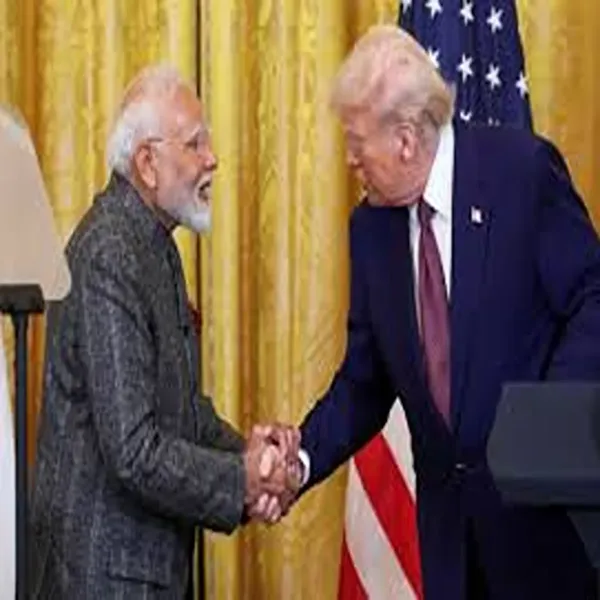
TradeDeal – Prime Minister Narendra Modi on Saturday welcomed the formalisation of a framework for an Interim Trade Agreement between India and the United States, calling it a significant step in strengthening economic ties between the two countries.
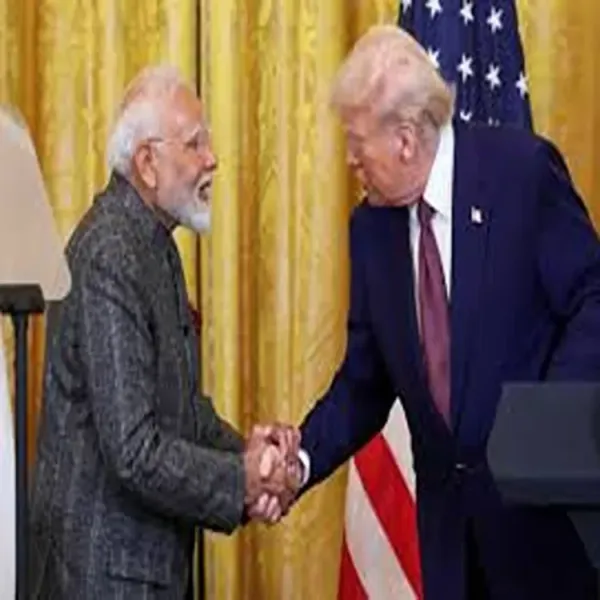
In a message shared on social media platform X, Modi described the development as positive news for both nations. He thanked US President Donald Trump for his personal engagement in advancing the partnership and said the agreed framework reflects growing trust and shared ambition between New Delhi and Washington.
According to the Prime Minister, the proposed interim agreement is expected to create fresh opportunities across sectors of the Indian economy. He noted that farmers, entrepreneurs, small and medium enterprises, start-up founders and fishermen stand to benefit from expanded access to the American market. The deal, he added, could support large-scale employment generation, particularly for women and young people.
Modi also highlighted the broader strategic dimension of the framework, stating that deeper cooperation in investment and technology would help both nations build stronger and more reliable supply chains. He linked the development to India’s long-term economic vision, saying global partnerships would remain central to the country’s development goals.
Union Commerce Minister Piyush Goyal also welcomed the framework, describing it as a breakthrough under the Prime Minister’s leadership. He said the arrangement could provide Indian exporters access to a market estimated at $30 trillion, particularly benefiting small businesses and agricultural producers.
Under the terms outlined in the joint statement, the United States will reduce reciprocal tariffs on Indian goods to 18 percent in several sectors. These include textiles and apparel, leather products, plastics and rubber goods, organic chemicals, handicrafts and certain categories of machinery. The reduction is expected to make Indian exports more competitive in the American market.
Additionally, the US has indicated that tariffs could be removed entirely on products such as generic pharmaceuticals, gems and diamonds, and aircraft components once the interim agreement is fully concluded.
The joint statement released by both governments detailed reciprocal steps. India has agreed to reduce or eliminate tariffs on a broad range of US industrial products and selected agricultural goods. These include animal feed products, tree nuts, fruits, soybean oil, wine and spirits.
On its part, the United States will also roll back certain tariffs imposed earlier under national security provisions covering aluminium, steel and copper, particularly on specified aircraft parts from India. India is expected to receive a preferential tariff rate quota for automotive components in line with US regulatory requirements.
The agreement also provides for negotiated outcomes concerning pharmaceutical ingredients, depending on the results of an ongoing Section 232 review in the United States.
Both countries have committed to tackling non-tariff barriers that have long affected bilateral trade. India will take steps to address concerns related to US medical devices, information and communication technology goods, and agricultural imports. Within six months of the agreement coming into effect, India is set to review the acceptance of certain US-developed or international standards in identified sectors.
The two sides also agreed to strengthen cooperation on regulatory standards and conformity assessment procedures to simplify compliance requirements for businesses. Provisions have been included to allow adjustments if either country modifies agreed tariff structures in the future.
Beyond tariff measures, the framework outlines closer alignment on economic security issues. These include cooperation on supply chain resilience, investment screening, export controls and concerns related to non-market practices by third countries.
As part of the wider engagement, India has expressed its intention to purchase goods worth $500 billion from the United States over the next five years. These purchases are expected to span energy supplies, aircraft and aviation components, technology products, precious metals and coking coal.
The two nations also plan to expand collaboration in advanced technology sectors, including increased trade in data centre components such as graphics processing units, and to work toward clearer rules governing digital trade under the proposed Bilateral Trade Agreement.
Both governments said they would move swiftly to implement the framework and aim to finalise the Interim Trade Agreement as a stepping stone toward a comprehensive Bilateral Trade Agreement in the coming years.