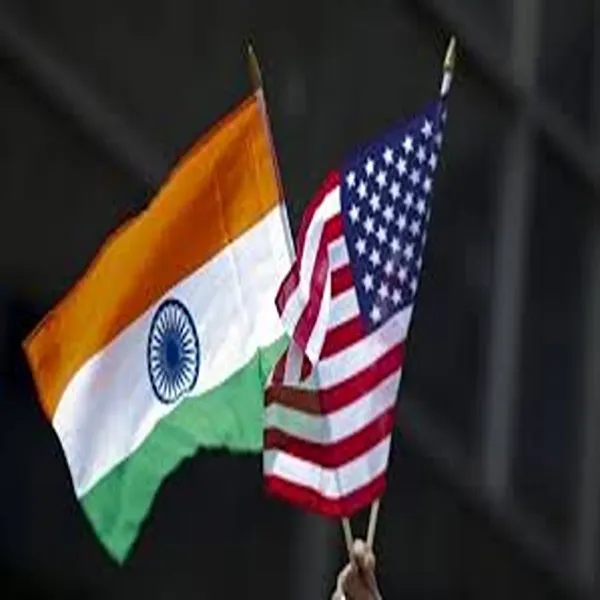
TradeAgreement – India and the United States have finalized the framework of an interim trade agreement aimed at strengthening bilateral economic ties and expanding market access for businesses in both countries. The understanding, announced by Commerce and Industry Minister Piyush Goyal on Saturday, is expected to reinforce cooperation between the two economies and create new opportunities for exporters.
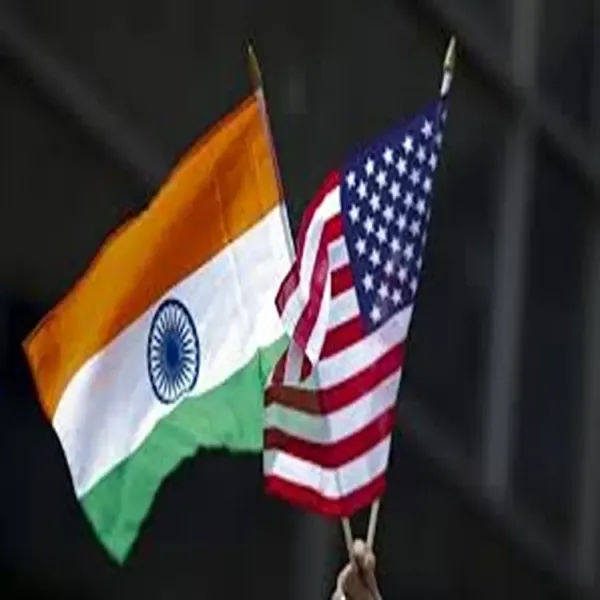
Speaking about the development, Piyush Goyal said the agreement would enable Indian businesses to tap into the vast American market, valued at nearly $30 trillion. He noted that small and medium enterprises, along with farmers and fishing communities, stand to gain significantly from the improved trade terms.
According to the minister, higher export volumes could translate into the creation of thousands of new jobs, particularly benefiting women and young professionals entering the workforce. The government sees the framework as a step toward accelerating sustainable economic growth while maintaining balanced trade relations.
A central feature of the interim framework is the reduction of reciprocal tariffs by the United States on Indian products. Under the proposed terms, duties on several goods will be lowered to 18 percent, offering a competitive edge to Indian exporters in sectors such as textiles and apparel, leather goods, footwear, plastics, rubber products, organic chemicals, home furnishings, handcrafted items, and select categories of machinery.
In addition, Washington has agreed to eliminate tariffs altogether on a range of products, including generic pharmaceuticals, gems and diamonds, and aircraft components. Officials believe these sectors, where India already holds a strong export position, could see immediate gains once the agreement is formally implemented.
The removal of duties is also expected to reinforce India’s manufacturing ambitions by supporting domestic production aimed at global markets.
The framework includes specific exemptions linked to Section 232 of US trade law, which previously imposed tariffs on certain imports citing national security concerns. India will benefit from exemptions on aircraft parts that were earlier subject to these measures.
Moreover, Indian auto component manufacturers are set to receive a preferential tariff rate quota for exports to the United States. These products had been affected by national security tariffs on automobiles and related parts. Industry observers say this move could provide stability and predictability for exporters in the automotive supply chain.
Negotiated outcomes in the pharmaceutical sector are also expected to facilitate smoother access for Indian generic drug manufacturers, a segment that plays a vital role in global healthcare supply.
While the agreement opens new avenues for industrial and manufacturing exports, the government has emphasized that domestic agricultural interests remain safeguarded. Goyal clarified that sensitive farm and dairy products will remain fully protected under the framework.
Items such as maize, wheat, rice, soybean, poultry, milk, cheese, ethanol, tobacco, certain vegetables, and meat products are excluded from tariff concessions. The minister said this approach ensures that rural livelihoods and farmer incomes are not adversely impacted while pursuing broader trade expansion.
Officials described the interim agreement as a stepping stone toward a more comprehensive trade arrangement. The current framework outlines areas where tariffs could be further reduced or removed once negotiations are completed successfully.
By balancing export promotion with domestic safeguards, the two countries aim to deepen economic cooperation in a way that supports businesses and consumers on both sides. The agreement reflects a shared objective of fostering long-term growth while navigating the complexities of global trade.