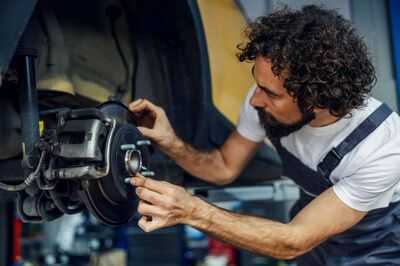
A motoring expert is cautioning drivers against dismissing unusual sounds from their car, warning they could indicate a serious problem requiring immediate attention. With rainy conditions predicted throughout much of Britain this weekend, specialists at One Sure Insurance are stressing the importance of taking brake noises seriously.
They say sounds including squeaking, grinding or thumping shouldn't be overlooked.
"Often drivers get into the car and turn the radio on straight away, which means early warning sounds from the brakes can be missed," a spokesperson said. "But unusual brake noises are often the first sign that something needs checking."
The insurer is urging motorists to prioritise brake inspections as wet weather and slippery surfaces extend stopping distances: "In wet conditions, stopping distances can double. If you're hearing squeaking, grinding or thumping when braking, it could point to severely worn brake pads that need attention straight away."
Operating a vehicle with faulty brakes can result in serious consequences. Under the Road Traffic Act 1988, drivers caught behind the wheel of a car in a dangerous condition could receive three penalty points, fines reaching £2,500, and potentially disqualification.
"There are significant penalties for driving with faulty brakes," the spokesperson added. "We also regularly see that delaying repairs can lead to further damage and higher repair costs, which is why we're urging drivers to get their brakes checked this week."
Motor specialists at One Sure Insurance have revealed crucial advice to help motorists identify potential brake problems before they become dangerous.
Any screeching, scraping or banging noises when you press the brakes must be treated seriously. These sounds can develop when brake pads have deteriorated and metal parts start grinding against the disc. This requires immediate inspection to avoid additional damage.
Watch for shaking during brakingShould you experience trembling or juddering through the steering wheel or brake pedal, this might signal distorted brake discs or irregular components. Potholes and deteriorating road surfaces can inflict impact damage gradually, becoming increasingly hazardous in damp conditions.
Monitor brake fluid levelsBrake fluid requires regular checking and refilling when necessary. Insufficient fluid levels can compromise braking effectiveness, and in the majority of cars the fluid needs complete replacement every two to three years.
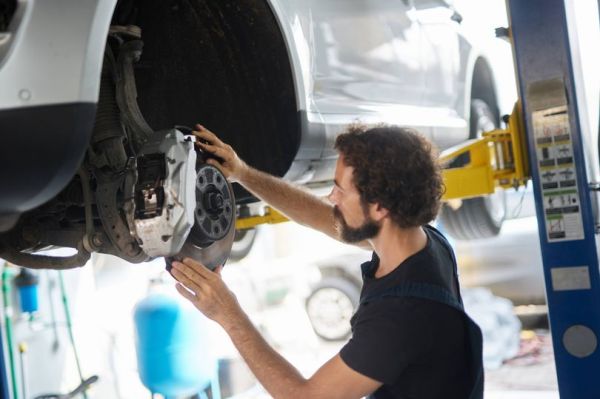 Arrange regular pad and disc checks
Professional inspections carried out routinely can detect deteriorated pads, compromised discs or rust formation before they develop into major safety hazards.
Observe alterations in brake performanceShould your brakes feel soft, sluggish, or demand additional force to function, this clearly indicates they require examination. Any hesitation in response can dramatically increase stopping distances.