
Parents have been urged to recognise a specific sound after the UK Health Security Agency (UKHSA) warned of a potentially fatal illness. While cases of this disease have dropped overall since the 1950s, they tend to peak every few years.
In a post made to social media platform X, the UKHSA encouraged people to know how to spot the signs of whooping cough. It said: “Do you know the symptoms of whooping cough?
“Make sure you know what to look out for. Our blog post has useful info and advice for parents.”
The health body also shared a clip of how distinctive whooping cough sounds, directing people to listen. This is described by the NHS as a "whoop" sound – a “gasp for breath between coughs”.
On its blog, the UKHSA explained that whooping cough is a bacterial infection that spreads easily and mainly affects the lungs and airways. The medical name for whooping cough is pertussis, but it is also referred to as the 100-day cough because of how long it can last.
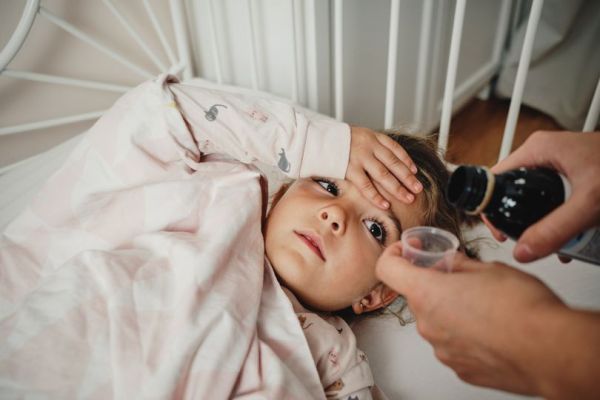
SymptomsAccording to the UKHSA, the first symptoms of whooping cough are similar to a common cold, with a runny nose and a mild fever. It said: “After about a week or two, the classic cough develops with uncontrolled fits of severe coughing that can last for several minutes, sometimes causing vomiting.
“Coughing is often worse at night. Coughing fits can cause some people to make a typical ‘whooping’ sound as they gasp for breath between coughs.”
 Who is most at risk?
The UKHSA said: “Young babies who are not yet old enough to have had their first three doses of infant vaccines are at the highest risk of developing severe whooping cough including pauses in breathing (apnoea), dehydration, pneumonia, or seizures. Rarely, babies with whooping cough can sadly die.”
VaccinesThe whooping cough vaccine is given as part of the routine childhood vaccination schedule in the UK. Babies are given three doses at the ages of eight, 12 and 16 weeks old (the six-in-one vaccine), followed by a booster at three years four months.
The UKHSA said: “Children born from July 2024 onwards will have a fourth dose of the whooping cough vaccine at 18 months of age that will help boost their protection until they get their next dose at three years four months of age. The vaccine course helps provide high levels of protection against severe disease.
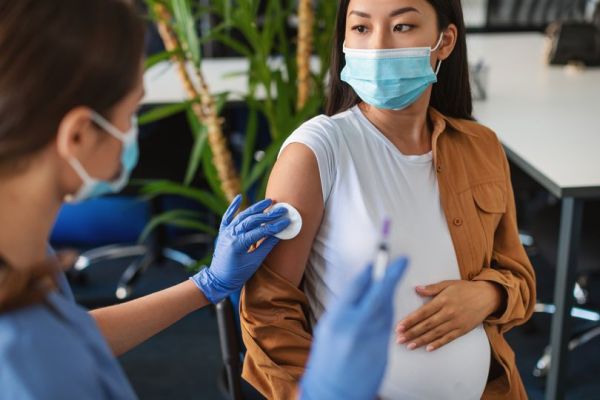
“It's also important for pregnant women to get vaccinated against whooping cough to help protect their baby in their first weeks of life before they can be given their own first vaccine dose. Vaccinating pregnant women boosts their protection which will be shared with their unborn baby in the womb so that babies are protected from birth.”
Vaccinating pregnant women is known to be 90 per cent effective in preventing whooping cough deaths in young babies.
 Prevelance
The UKHSA added: “In the years since monitoring began, we have seen a huge fall in whooping cough cases from peak years exceeding 100,000 cases in the 1950s, before the first whooping cough vaccine was introduced, to a peak year of around 6,000 cases in 2016 by which time many new ways of confirming whooping cough had also been introduced.
“Whooping cough is a disease that regularly peaks every three to five years. We saw very high rates of whooping cough in 2024, following a long period of very low case numbers due to controls, and reduced social mixing patterns during the COVID-19 pandemic.”
When to seek helpThe NHS says you should ask for an urgent GP appointment or get help from NHS 111 if: