6 Lessons from Shiva's Silence That Can Change Your Mindset
Times Life February 14, 2026 04:39 AM
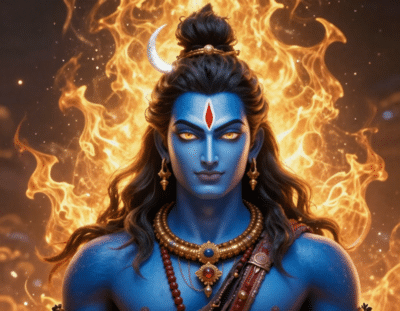 “मौनं सर्वार्थसाधनम्।”
Silence accomplishes everything.
In a world where speaking louder often feels like winning, silence is misunderstood as weakness. Yet in the spiritual symbolism of Lord Shiva, silence is not withdrawal from life. It is mastery over it. Shiva, the Adiyogi and the eternal meditator of Mount Kailasa, teaches one of the most powerful mindset shifts through what he does not say. His stillness represents clarity over chaos, awareness over impulse, and depth over distraction.
Shiva’s silence is not empty. It is deliberate, conscious, and transformative. It reflects control over emotions, detachment from ego, and connection with higher awareness. In Hindu philosophy, especially in the Upanishadic tradition, ultimate truth is often described as beyond words. Even the sacred sound Om dissolves into silence. Shiva symbolizes that final state where understanding moves beyond speech into realization.
1. Silence Is Inner Mastery, Not Suppression
 Offer water, black sesame, and chant mantras for Lord Shiva and Shani DeV
Shiva as Adiyogi is shown in deep meditation for ages. This meditative silence is described in yogic texts as a state of samadhi, where the fluctuations of the mind are stilled. The Yoga Sutras of Patanjali define yoga as the cessation of mental modifications. Shiva embodies this state naturally.
Silence in this context does not mean avoiding problems or suppressing emotions. It means observing them without being controlled by them. In modern psychology, emotional regulation and mindfulness echo this ancient wisdom. When you choose silence before reacting, you regain control over your response.
Shiva teaches that the mind becomes powerful when it is not constantly reacting. Silence is discipline. It is the ability to pause between stimulus and response. That pause is where growth begins.
2. True Knowledge Emerges Beyond WordsAs Dakshinamurti, Shiva is depicted as a silent guru teaching sages under a banyan tree. In Advaita Vedanta, Dakshinamurti represents the transmission of knowledge through silence. The idea is that ultimate reality cannot be fully captured by language. Words can guide, but realization happens internally.
The Upanishads repeatedly say “Neti, Neti” meaning not this, not this. Truth is beyond definitions. Shiva’s silence reminds us that intellectual understanding is not enough. Reflection and contemplation are essential.
In everyday life, this means not rushing to speak, argue, or prove. Sometimes clarity comes when we stop explaining and start listening. Silence creates space for deeper insight. It helps separate noise from wisdom.
3. Silence Strengthens Self Identity

Shiva lives in isolation on Mount Kailasa, detached from societal expectations. He wears simple ash, sits on tiger skin, and adorns serpents. These symbols reflect freedom from social validation. His silence reflects self sufficiency.
In a hyper connected world where identity is shaped by external approval, silence reconnects you with your core. When you step away from constant chatter and comparison, you rediscover who you are without influence.
The Mahabharata describes Shiva as Swayambhu, self existent. His silence reflects independence from external definitions. This mindset shift is powerful. Instead of seeking approval, cultivate inner alignment. Silence helps you hear your authentic voice.
4. Silence Is the Source of Creative PowerBefore creation, there is stillness. In Shaivite philosophy, Shiva represents pure consciousness, while Shakti represents dynamic energy. Creation emerges when stillness meets movement. This symbolism suggests that creativity arises from inner calm.
Modern neuroscience supports this idea. Studies show that moments of quiet reflection activate the brain’s default mode network, associated with creativity and insight. Great thinkers often describe breakthroughs happening in silence.
Shiva’s tandava dance represents cosmic cycles of creation and destruction. Yet the dance arises from deep inner stillness. The lesson is clear. Action becomes powerful when rooted in calm awareness. Creativity without silence becomes chaos. Silence without action becomes stagnation. Balance is the key.
5. Silence Builds Resilience in Chaos
The story of Samudra Manthan describes how Shiva drank the deadly poison Halahala to save the universe. While chaos erupted, Shiva remained composed. He absorbed the poison and held it in his throat, becoming Neelkanth.
This myth symbolizes emotional resilience. Instead of spreading negativity, Shiva contains it. His silence during crisis represents stability under pressure.
In life, challenges are inevitable. The ability to remain calm amid turbulence determines strength. Silence in difficult moments prevents escalation. It allows thoughtful response instead of impulsive reaction.
Shiva’s composure teaches that resilience is not loud defiance. It is steady endurance. It is the strength to absorb pressure without losing clarity.
6. Silence Connects You to the InfiniteIn the Vedas and Upanishads, the ultimate reality Brahman is described as beyond speech and mind. Shiva represents that infinite consciousness. His meditation posture symbolizes unity with the cosmos.
The sacred syllable Om ends in silence. That silence represents the fourth state of consciousness called Turiya. Beyond waking, dreaming, and deep sleep lies pure awareness. Shiva’s silence reflects this transcendental state.
Practicing silence through meditation or mindful reflection expands perception. It reduces mental clutter and increases awareness. Over time, this cultivates a sense of connection with something larger than individual ego.
Shiva’s silence is not isolation from the world. It is union with it. When the mind quiets, you experience clarity that words cannot express.