Difference Between Highway and Expressway: India's road network is considered one of the largest in the world. At the very mention of "road," two words first come to mind: "highway" and "expressway." While people often travel on highways and expressways, most don't clearly understand the difference. If you're one of them, this article may be helpful. Let's understand, in simple terms, the difference between a highway and an expressway and the rules for driving on both.
What is a National Highway?
First, let's talk about National Highways. These are roads that connect major cities, state capitals, ports, and important locations across the country. Their construction and maintenance fall under the Ministry of Road Transport and Highways. They are primarily developed and managed by the National Highways Authority of India (NHAI).
India has over 200 national highways, totaling over 1.3 lakh kilometers. These roads can be two-lane, four-lane, or more.
The maximum speed limit on national highways is generally 100 km/h for cars and 80 km/h for two-wheelers.
India's longest national highway is National Highway 44, which stretches approximately 3,745 km from Srinagar to Kanyakumari.
What is an Expressway?
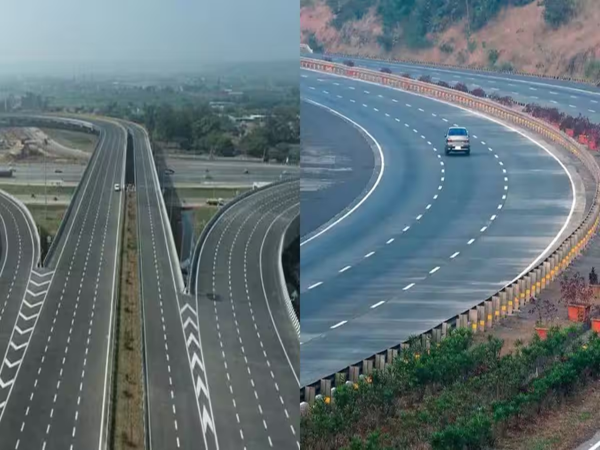
An expressway is a modern road that is a step up from a highway. They typically have six to eight lanes and have controlled access, meaning vehicles can only enter and exit from designated entry and exit points. There are no direct minor roads in between, reducing the risk of accidents.
Expressways have modern features such as service lanes, flyovers, underpasses, and traffic management systems.
The maximum speed limit for cars can be up to 120 km/h, while two-wheelers (bikes/scooters) are strictly prohibited on most major expressways in India. Traffic police can issue a hefty fine of up to ₹20,000 or even confiscate the vehicle if you take a two-wheeler on a restricted expressway.
India's major expressways include the Agra–Lucknow Expressway, which is approximately 302 km long.
What is the main difference?
The biggest difference is access control. National highways have numerous minor roads connecting or intersecting with each other, while expressways have limited entry and exit points.
Compared to highways, expressways are safer, wider, and designed for high-speed travel.
Disclaimer: This content has been sourced and edited from NDTV India. While we have made modifications for clarity and presentation, the original content belongs to its respective authors and website. We do not claim ownership of the content.