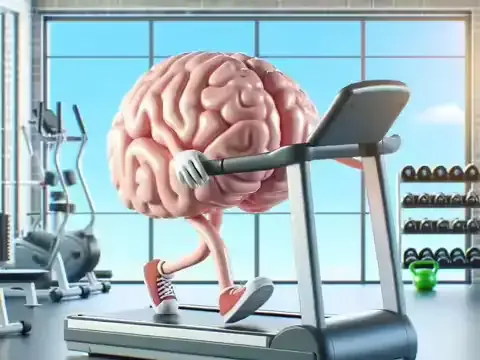
We all know that exercise is important to keep the body fit, like walking, lifting weights, stretching etc. But we often forget one important thing: the brain also needs exercise, and it doesn’t just come from solving crossword puzzles every now and then. The brain, like any other organ, becomes dull if it is not challenged. Learning new things, such as a language, an instrument, a new hobby, deep reading, or meaningful conversation, creates new neural connections in the brain. These connections strengthen memory and thinking.
What do experts say?
In today’s time, exercising the brain has become even more important. We rely on GPS instead of remembering directions, constantly scroll instead of paying attention, and try to multitask. This can gradually affect attention and mental stamina. Neurologist Dr Vivek Kumar told TOI that mental exercise helps maintain health, reduce age- frailty and increase mental resilience. Solving puzzles, playing Sudoku, learning new skills, or practicing mindfulness can all help improve memory, attention, and emotional balance.
What effect does multitasking have on memory?
Multitasking is often considered a sign of productivity, but doctors say that constantly changing tasks puts more pressure on the brain. This can reduce working capacity, reduce ability to concentrate and increase mental fatigue. Doing this for a long time can also increase the risk of stress and burnout. Research is now proving the benefits of meditation and mindfulness. Regular meditation can reduce the stress hormone cortisol, control blood pressure and improve mental peace. Focusing on your breathing or sitting quietly to calm your mind strengthens emotional balance.
What should you do?
Some early signs to look out for include forgetfulness that interferes with daily activities, difficulty making decisions, forgetting dates or places, repeating the same question over and over, or sudden mood changes. These signs indicate that it is time to take cognitive health seriously. Dr. Kumar suggests three simple habits: solving a brain game or puzzle every day, picking up a new skill or hobby, and increasing social interactions. Small but regular efforts play a big role in keeping the mind active, sharp and balanced.