Women above a certain age are urged to undergo screening for amajor health concern, resulting in over 56,900 new cases every year. The NHS also stressed that nearly 20,000 cases were detected last year using this method, and it may work even before symptoms are apparent.
In a post to X, formerly Twitter, the NHS said: "Regular breast screening can find breast cancerbefore you notice any symptoms – and nearly 20,000 cancers were detected last year through screening. If you’re a woman aged 50–70, you’ll be invited every three years until your 71st birthday."
As the health service notes, females usually receive their first screening invitation between the ages of 50 and 53. These will take place every three years until a person turns 71. While trans men, trans women and non-binary people may also be contacted automatically for screenings, some may need to talk with a GP in the first instance.
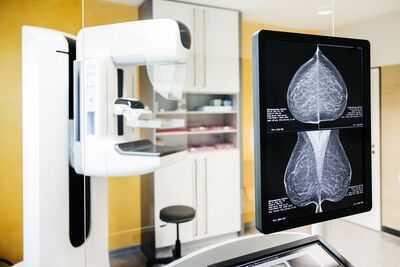
During the examination, a female specialist will perform four breast X-rays, also known as mammograms. These scans take only a few minutes, so a whole appointment generally lasts half an hour.
For a mammogram, patients must undress from the waist up and use a private changing area. It's important not to apply talcum powder or spray deodorant on the day of the exam, as these can interfere with the results.
Online NHS guidance explains: "The mammographer will help place one of your breasts into the right position on the X-ray machine. They’ll need to touch your breast. Your breast will be squeezed between two pieces of plastic to keep it still before taking the first X-ray. This takes a few seconds and you’ll need to stay still.
"The mammographer will then move the machine and take a second X-ray. Your breast will be taken off the machine after the X-rays are done. Your other breast will then be X-rayed the same way."
While it may sound unpleasant, the NHS states that any pain or discomfort should resolve very soon. If it doesn't after a few days, seek GP advice.
• Doctor explains 'really apparent' problem levothyroxine users need to 'speak to medical professional' about
• 'I was fat-shamed for weighing 22st - now I'm in the shape of my life and trolls still come at me'
Letters with the results are typically received within two weeks after the examination. If it takes longer, it doesn't necessarily indicate a problem, but you can contact your local screening service to inquire about any updates.
If you exhibit no signs of breast cancer, you will not require any further tests and will be invited back in three years. However, in some cases, a specialist might decide that additional examinations are needed.
Usually, this can encompass any of the following:
Guidance fromNHS Englandalso adds: "For every 100 people who have breast screening, four will need further tests. This does not necessarily mean you have breast cancer. Most people who need further tests do not have breast cancer.
"You will be invited for a breast assessment appointment. If you’re worried or have any questions, you can speak to a breast screening nurse over the phone before your appointment. Your invitation for further tests will tell you how to contact them[...]The specialist team will tell you when and how you will get your results, depending on which tests were done."
Estimates from Cancer Research UK suggest that more than 56,900new breast cancer cases arise each year. Anyone with symptoms who is not yet scheduled for a screening should seek medical advice.
Macmillan Cancer Support has a free helpline that's open every day from 8am to 8pm. They're there to listen if you have anything you want to talk about. Call: 0808 808 00 00