The Government is to pay GPs extra to identify more patients most in need of weight loss jabs.
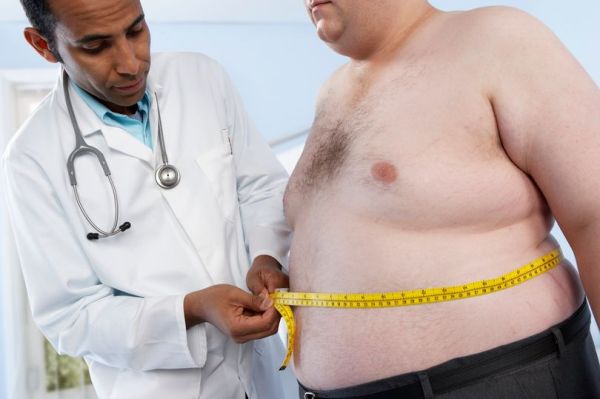
Many family doctors are not prescribing the appetite-suppressing injections which lead to drastic weight loss. The extra payments will come from a £25 million funding pot for doctors to put the most dangerously overweight people on the drugs and the accompanying weight management support as part of the new GP contract.
An estimated 2.4 million Brits are taking weight-loss jabs such as Mounjaro and Wegovy but the vast majority are having to pay privately for them. The once-weekly injection should be available on the NHS for severely obese people who also suffer from a range of other health problems.
• NHS rollout of weight loss jabs 'not fit for purpose' amid 'postcode lottery'
• NHS to prescribe ‘King Kong' weight loss jab Mounjaro to the most dangerously obese
Ensure our latest headlines always appear at the top of your Google Search by making us a Preferred Source. Click here to activate or add us as your Preferred Source in your Google search settings.
Health Secretary Wes Streeting said: "Weight-loss drugs can be a real game changer for those who need them. I'm determined that access should be based on need, not ability to pay.
"Outside the NHS, we've seen those who can spare the cash buying privately, and the proliferation of rogue prescribers peddling dangerous unlicensed drugs that are putting patients at risk.
"These new incentives for GPs will bring the principle of fairness - which has always underpinned the NHS - to obesity jabs, with the phased rollout to those with highest clinical need first."
Health leaders have previously warned that if all eligible patients - thought to be over three million - turned up for Mounjaro in the first year it could overwhelm primary care services. NHS England estimates managing this would take up one in five of all GP appointments and up until now, many overworked family doctors have refused to proactively identify patients to offer the jabs to.
Henry Gregg, chief executive of the National Pharmacy Association, which represents 6,000 independent pharmacies in the UK, said the Government should make better use of pharmacies to prescribe the jabs “rather than relying on overstretched GPs”. He said: "The NHS roll out of weight loss treatments remains very slow and only a handful of patients are being treated. In some parts of the country, it has hardly begun at all.”
Weekly injections such as Ozempic, Wegovy and Mounjaro slow digestion and reduce appetite by mimicking a hormone called glucagon-like peptide 1 (GLP-1) which regulates hunger and feelings of fullness. They can cause side effects such as vomiting and stomach cramps.
The NHS prescribes the GLP-1 injections Mounjaro and Wegovy for weight loss but Ozempic only for diabetes. Mounjaro has been shown to help people lose the most weight with trial participants losing 26% of their body weight in 18 months. However weight loss injections must come with personalised diet and lifestyle coaching. Exercise is vital so that users do not lose muscle mass as well as fat. Without sufficient lifestyle changes patients can pile the fat back on.
The Obesity Health Alliance, a coalition of 60 health charities and medical royal colleges, has warned the NHS does not have capacity to expand rollout of the “life changing” injections.
The rollout of Mounjaro was announced by NHS England with much fanfare in 2024 but an investigation by the British Medical Journal (BMJ) a year later revealed how the jabs were being rationed. Some 3.4 million people are technically eligible for the jabs but the NHS planned a phased rollout over a 12-year period.
Some 220,000 patients were supposed to be prescribed it in the first three years but BMJ analysis suggested funding for year one only covered 10% of the doses needed.