The United States Supreme Court’s decision on Friday to invalidate President Donald Trump’s sweeping tariff regime has landed like a legal thunderbolt far beyond Washington, unsettling trade arrangements in distant capitals that had already recalibrated their economic futures around America’s revived protectionism.
Few countries illustrate the stakes more vividly than Bangladesh, which only weeks ago struck a hard-fought trade agreement designed to blunt the impact of those very tariffs.
Now, with the legal foundation of the tariff threat suddenly removed, Dhaka finds itself confronting an uncomfortable question of whether it conceded too much in exchange for a tariff relief that may no longer exist.
At first glance, the Bangladesh-US deal was a triumph of arithmetic over ideology. The agreement lowered reciprocal tariffs on Bangladeshi exports to 19% from rates that could have climbed as high as 37%, sparing exporters an estimated $1.4 billion annually in duty costs.
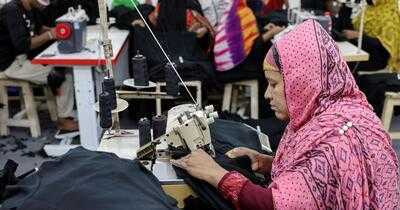
For a country whose garment exports to the United States approach $9 billion annually, the reduction promised stability and a continued foothold in its most lucrative market. Even more consequential, provisions allowing duty-free access for garments using American inputs potentially eliminated tariffs on the overwhelming majority of exports.
That Bangladesh would enjoy zero tariffs in US markets — a privilege it lost in 2013...
Read more