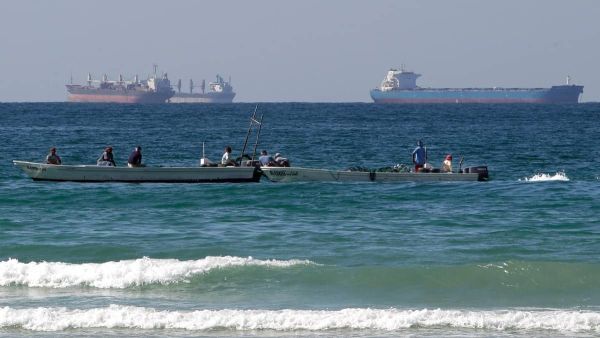
Indian markets will look at three impacts from the Iran-US conflict. The first risk transmitter is higher oil prices due to the de facto closure of the Straits of Hormuz. The second is the impact on major trading partners of India in the Gulf with Indian exporters suffering due to the closure of these shipping lanes and supply chains. The third is the risk to the 9 million Indians who work in the Middle East. What happens to their lives, livelihoods, remittances sent back home. These three will be the major questions and we are frankly not knowing enough to estimate the answers to these for now. The best outcome is that the new Iranian leadership chooses survival over ideology and returns to negotiations, allows tankers to sail down the Straits of Hormuz and stop attacking GCC targets. The worst outcome we all know and is consigned to a low probability event.
This is what we wrote on the Day 1 of the latest Israel-Iran-US war. Since then the more worrisome scenarios have played out . The Straits of Hormuz is shut with Iran having attacked 10 tankers and formally warning tankers from transiting it. Oil prices are art multi month highs and LNG prices have risen more than 50% on closure of the Qatari facility.
Global stocks have sold off. Safe haven assets Gold and Silver have also fallen on a stronger dollar and selling precipitated by the need to generate liquidity to meet losses/margin calls elsewhere. Hedge Funds are questioning EM investments as EM currencies fall and oil dependent economies demonstrate fragility.
Day 5 starts with Trump promising US naval escorts to oil tankers to resume supplies through the Persian Gulf and to offer federal insurance to these ships to cover the risks which London based insurers are pricing too high at present.
The big question is when does the fighting stop, at what point are both sides ready to take an offboarding ramp. Right now, the risk off sentiment is too high and unforeseen outcomes are being factored in. The top performing South Korean market is down over 12 % in the last two days.
The normal geopolitical playbook is to buy the second dip, however, even though global markets are at heavily oversold levels, the threat of unknown unknowns is keeping dip buying at bay. US markets have seen sharp falls, and good recoveries, to end down but not at capitulation levels.
An Israel-Iran conflict is seeing risk transmitting out to global markets via energy supply disruptions. As a new Iranian central leadership assumes charge, hopes for some kind of a detente are high. Trump will announce victory any day at any stage so markets will turn very sharply at any time.
We don’t see a prolonged conflict and see the widened scale being reduced in the coming days. As aviation, trade, energy and production disruptions in the GCC reduce, we expect a bounce back in markets.
Indian futures were pointing to a 3% plus cut last night but have recovered slightly this morning. Expect a sharp gap down open but expect dip buying to start as extremely oversold markets start positioning for a sentiment reversal.