
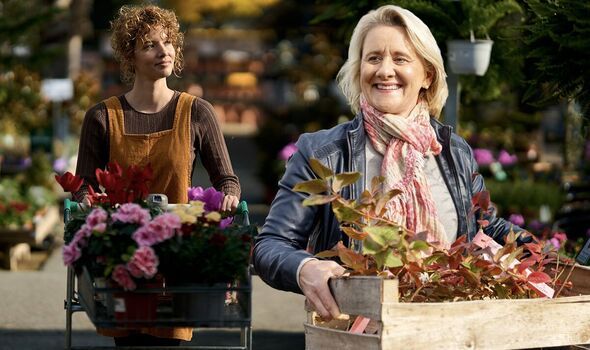
On a grey weekday morning, the car park of a garden centre on the edge of town is already busy. Pensioners drift in for coffee and cake, parents negotiate muddy shoes and seed packets with toddlers, and seasoned gardeners pause to debate compost like old friends comparing notes. Somewhere between the bags of bark chippings and the café queue, advice is exchanged, community happens, and time slows.
For many Britons, garden centres are far more than mere retail spaces. They are places of ritual and reassurance, where the seasons are marked not by calendar dates but by the arrival of snowdrops or the first trays of bedding plants.
"Garden centres are no longer just places where you buy plants," says Jennifer Pheasey, director of policy and public affairs at the Horticulture Trade Association (HTA). "They're community hubs."
There are about 1,500 garden centres across the UK, welcoming more than 200million visits a year. Nearly seven in 10 adults visit at least once annually.
Pheasey points to the way people use them: grandparents bringing grandchildren, friends meeting for coffee, customers lingering rather than rushing in and out. "They're destinations," she says. "Not just retail stops."
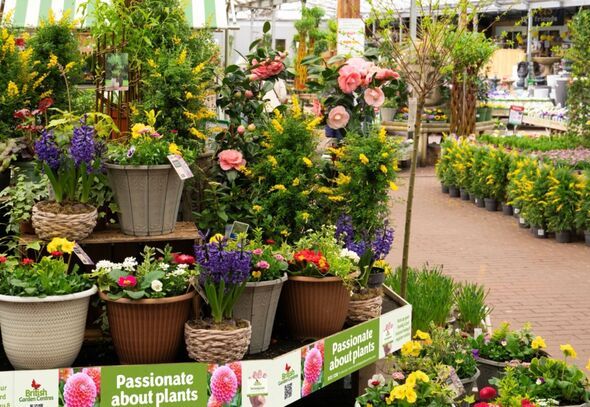
Yet while many a weekend for Britons involve an impromptu family trip to a local garden centre, there is growing concern industry-wide following a spate of closures across the country.
They include leading firm Dobbies, which shut eight stores last year following a major restructuring plan that earlier involved the closure of 17 centres and the loss of almost 500 jobs. The national retailer announced pre-tax losses of £131million in 2023 - up from a £21million loss the year before.
Meanwhile, Homebase closed 13 stores last year after selling off 74 stores in 2024 when it fell into administration. So why, if demand and affection remain strong, are some garden centres closing?
The answer lies not in waning public interest, it emerges, but in a convergence of pressures.
Many garden centres are family-owned small and medium enterprises (SMEs) operating large physical sites on the edges of towns. Rising wages, business rates, energy costs and regulatory changes all hit at once. Add unpredictable weather and tightening consumer confidence, and margins can quickly disappear.
Independent retailers have also been hit hard by high street supermarkets and homeware stores now offering extensive and affordable outdoor ranges.
Ensure our latest news headlines always appear at the top of your Google Search by making us a Preferred Source. Click here to activate or add us as a Preferred Source in your Google search settings
David Robinson, chief executive of Dobbies, is frank about the challenges.
"Like the rest of the retail sector, garden centres continue to face significant pressures, including rising labour costs, business rates, inflation, and ongoing cost-of-living challenges for customers," he says.
To combat the downturn, Robinson says the company continues to invest in its "customer experience, giving them more reasons to visit" a Dobbies store.
"Over the past year, we have successfully refurbished seven stores, reinvigorated our gardening ranges and introduced new ones, invested in our restaurants and delivered our biggest ever events programme," he says.
Just last year, the company served more than one million scones and six million hot drinks. It has a range of community initiatives, including a free children's gardening club, Little Seedlings, that last year provided 15,000 children with spaces to learn about nature and wildlife, and make friends.
The company also supports 53 local groups as part of its Dobbies Community Gardens initiative.
Alan Roper, founder and chairman of Blue Diamond, the UK's largest garden centre group, is also candid about the pressures facing the sector, describing the current climate as one of the toughest he has known.
"The environment is more challenging, absolutely," he says. "But this isn't just a garden centre issue. It's retail and hospitality as a whole."

Wage inflation, rising energy costs and business rates all weigh heavily, particularly on large sites with significant staffing needs.
"I'm not against a fair living wage," Roper adds, "but it is a headwind, and businesses have to adapt."
For Blue Diamond, that means constant efficiency: reducing waste, monitoring energy use and refining staffing models.
"But there's only so far you can go," he admits. "Eventually, you run out of road."
Where scale can help larger groups absorb shocks, independent garden centres often feel pressures more acutely. Yet they also benefit from fierce loyalty and deeply personal relationships with local customers.
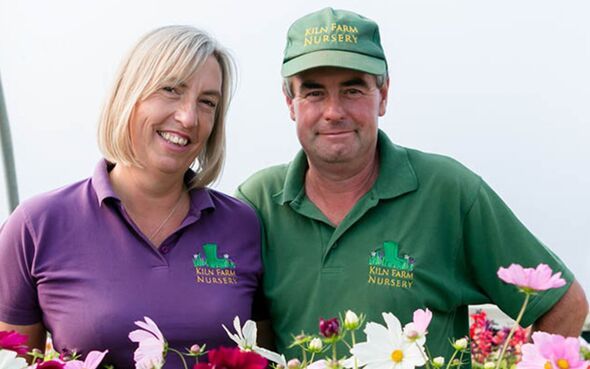
At Kiln Farm Nursery in Suffolk, co-owner Ruth Goudy describes the business as "plant-centred" above all else.
"You're not just selling a plant," she says. "You're helping someone create a garden they love." Customers return not only to buy, but to talk - about what's thriving, what isn't, and what might work better next time.
Kiln Farm began almost by accident, growing plants on family land while Ruth worked as a Montessori teacher and her partner Paul ran gardening services.
Curious locals began stopping by, and relationships formed long before the business became viable full-time. "If it weren't for our local customers, we wouldn't be here today," she says.
Over time, the nursery evolved, adding catering because people wanted to linger, chat and enjoy the space. For Ruth, that social element is inseparable from wellbeing.
She runs dementia-friendly sessions, hosts community groups and is developing wildlife and community gardens. "People feel better around plants," she says. "I think everyone senses that, even if they don't consciously think about it."
The pressures she faces, however, are sobering.
"Even if we don't use any electricity, we're paying just to be open," she says. "That's frightening." Sustainability ambitions, such as solar panels, often have to be postponed simply to cover standing costs.
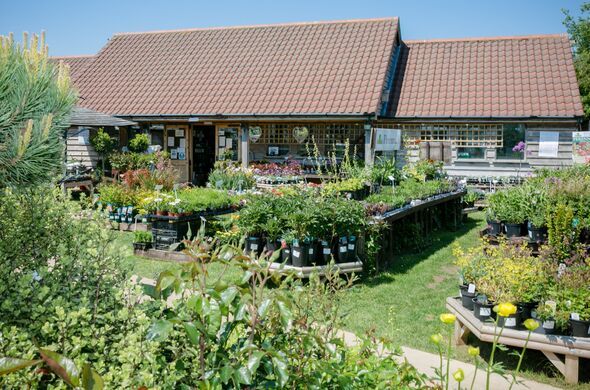
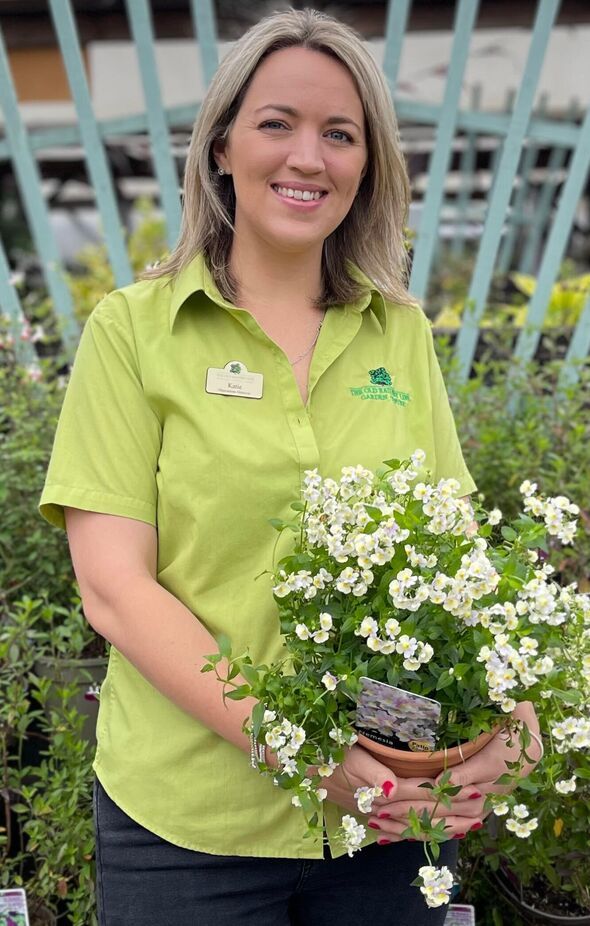
Similar challenges are felt at the Old Railway Line Garden Centre in mid-Wales, founded in 1990 by Mark and Christina Cleary and now run by their children alongside long-serving colleagues. Their daughter Katie Eckley, now operations director, describes the centre as a place built on memory and experience.
"People meet here, celebrate here, bring their children and remember coming themselves as kids," she says. "That's why it resonates so strongly."
Many customers travel more than an hour to visit, staying for several hours rather than popping in briefly. "We're selling an experience," Eckley says. "A bit of escapism."
That focus on service means higher staffing levels and significant investment in training, even as costs rise sharply. Utilities, in particular, have been challenging. Despite installing hundreds of solar panels and a large water storage system, energy bills remain high. "You try to do the right thing sustainably," Eckley says, "but retail doesn't always get the same support as other sectors."
Despite ongoing pressures from rising labour costs, business rates and inflation, David Robinson says recent refurbishments, refreshed product ranges and expanded events programmes are beginning to lift footfall and sales at Dobbies.
"The long-term success of garden centres will depend on their ability to remain relevant, deliver compelling experiences and play a meaningful role within the communities they serve," he says.
"Our stores are places where people can connect and come for trusted advice - whether that's attending one of our seasonal events or learning something new about gardening from our horticultural Green Team."
Optimism that green shoots of recovery are peeping through is shared with the HTA which reported a 10% boost in sales in 2025 compared to 2023, prompting the announcement: "Looking ahead, garden centres enter 2026 with a stronger sales base than in recent years, but converting demand into sustainable profitability remains the key challenge," says Jennifer Pheasey of the HTA.
"Continued cost pressures, changing weather patterns, and value-focused consumer behaviour will all shape the year ahead."
In many centres, restaurants now account for around 20% of turnover and act as a steady draw during quieter months, helping to smooth the peaks and troughs of a famously seasonal trade.
"They help even out seasonality," explains Pheasey. "But more importantly, they make garden centres places where people feel comfortable spending time."
For older customers or those living alone, that role can be profound. That sense of belonging is echoed by Alan Roper, who stresses that garden centres are "community businesses" and important for society. "Customers feel like they belong there," he says. "You don't get that from ordering compost online."
And the sentiment is shared by members of the public. As one regular customer puts it: "You don't just buy things at a garden centre. You feel better when you leave."
And that's why as long as people care about their gardens - and about each other - Britain's garden centres will continue to matter.