Doctors say there are several key factors as to why flying often causes bloating and fatigue, according to the South China Morning Post.
|
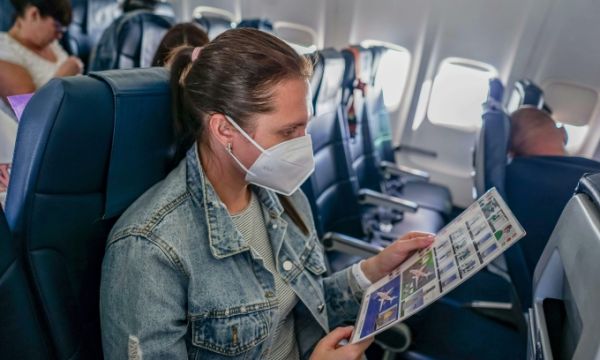
A person on a flight. Photo by Pexels |
Disrupted routines
Dr. Asimah Hanif, a medical expert with UK travel insurance provider Staysure, says flying often throws the body off its usual schedule.
“You might not be used to eating so early in the morning when they serve breakfast on a plane, and you might be served something that you don’t usually eat, like an omelette.
“The impact of both of those elements combined – eating things that you’re not used to and eating after the time frame in which you would usually eat – can disrupt digestion and contribute to sluggishness,” she says.
UK-based gastroenterologist Dr. Mark Austin adds that traveling at odd times can affect the body’s physiological state, trigger stress hormones and cause bloating and discomfort.
Lack of sleep
Austin says many passengers struggle to get quality rest on planes, and sleep deprivation can affect digestion and overall well-being.
Hanif says cabin conditions can worsen the fatigue.
“When you’re flying at altitude, the air cabin pressure will change and you’ll also get lower oxygen levels, which in turn could affect your digestion and your energy levels,” she says.
Dry cabin air can also cause dehydration and dry skin, which exacerbates fatigue, she adds.
Alcohol consumption
Austin says the effects of alcohol can be amplified at altitude, increasing the risk of dehydration, poor sleep and digestive issues.
“Alcohol causes dehydration, sleep disturbances and can also have a significant impact on the muscles at the lower end of the gullet, so it can increase your risk of things like reflux,” he says
Prolonged sitting
According to Hanif, remaining seated for long periods can slow circulation and metabolism, affecting nutrient absorption.
Austin adds that passengers prone to constipation or slow digestion should move around during the flight, as inactivity can worsen bloating and gas.
Dehydration
Aircraft cabins operate at low humidity levels, increasing the risk of dehydration, Austin says.
“Dehydration can trigger a stress response where your body is trying to divert blood away from the organs that it doesn’t necessarily think are super important, which often includes your gut. This will cause problems to digestion, gut transit, bloating and constipation,” he says.
Experts say these issues are common but manageable with basic precautions such as the following.
Limit stimulants
Austin recommends avoiding alcohol and caffeine before and during flights to reduce strain on the body.
Choose lighter meals
Hanif advises opting for balanced meals with protein and vegetables instead of heavy, carbohydrate-rich options, which may be harder to digest.
Drink water regularly
Austin suggests drinking a glass or half a bottle of water every hour to maintain hydration.
Move around
Austin says passengers should stand up and walk through the cabin every two to three hours.
“Movement can help dissipate some of the gas if you’re getting some bloating symptoms, and it can help things transit through the gut more easily too,” he adds.