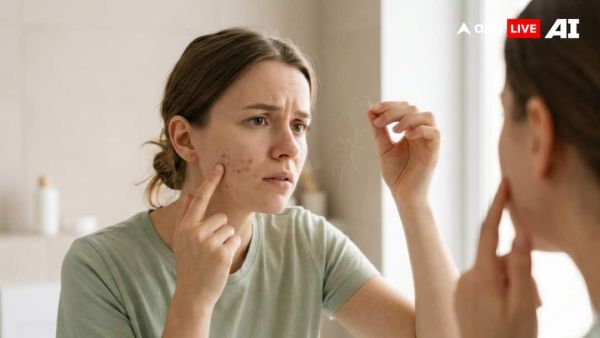
Over the past decade, dermatologists and wellness specialists have noticed a significant uptick in women seeking treatment for hair fall, chronic adult acne and increased sensitivity to the texture of their skin. It was once mostly used as a teenager-only issue or something we were only aware of for a couple of short months at a time but now it is very prevalent for women in their 20s, 30s and even 40s. This change is actually the culmination of many forces such as changes in lifestyle, exposure to the environment and hormones as well as the changes in beauty that are driving current skin & hair health.
Chronic stress and hormonal imbalance are amongst the biggest factors. Modern living experiences tend to include demanding jobs, irregular and unpredictable sleep cycles and high levels of cognitive demand, all of which have an impact on hormone regulation. Increased cortisol levels, in particular known as the stress hormone, can upset the balance of androgens and estrogen. This imbalance is strongly related to both androgenic thinning of hair and adult acne, especially along the jawline and chin. Moreover, Polycystic Ovary Syndrome (PCOS) and similar conditions affect many women of reproductive age, and are associated with persistent acne and hair fall.
Environmental exposure is a primary factor that also has increased during successive decades. Citizens living in urban spaces are exposed to air pollution, particles, heavy metals, and ultraviolet radiation, all of which promote oxidative stress in the skin and scalp. Pollutants have been shown by studies to negatively affect the skin barrier and trigger inflammatory responses that contribute to sensitivity, redness, and premature aging. If you look at hair follicles for a while, exposure to pollution lowers the scalp microbiome, and can contribute to follicular stress that typically presents as excessive shedding or thinning.
Lifestyle has also changed dramatically, as we grow more dependent on processed foods and are on nutrient-poor dishes. Healthy hair and skin are strongly dependent on micronutrients including iron, zinc, biotin, omega-3 fats, vitamins A, D and B12. Losses in these nutrients can also interfere with keratin synthesis and repair systems - leading to brittle hair, inflammatory acne, and damage the skin’s resilience to abrasion. Iron deficiency continues to be among the biggest nutritional problems women suffer from in India, and is typically accompanied by chronic hair fall.
Another growing cause is the excessive use and layering of skincare and hair care products. The multi-steps of beauty routine, driven by both social media and aggressive marketing of cosmetics, often make use more than one effective ingredient concurrently. Though ingredients such as retinoids, exfoliating acids, and vitamin C can have favourable effects, with use in the wrong proportions they can weaken the integrity of the skin barrier. In addition, reactions from acne can result in sensitivity, irritation. Likewise, excessive heat styling, chemical treatments and harsh scalp products can destroy scalp health and hasten hair breakage.
These issues are compounded by hormonal changes over a woman’s lifetime. Estrogen, which directly affects hair growth cycles and skin behavior, is determined by pregnancy, postpartum changes, contraceptive use and perimenopause. For instance, shedding hair in the postpartum period, a known symptom of hormonal imbalance induced after labor and delivery.
Solving these concerns is more than fixing their problem with a superficial face of a plastic solution. Dermatologists now emphasize the importance of the skin barrier, healthy scalp health, stress management, and a diet rich in nutrients. Frequent dermatologic consultations, balanced skincare protocols and lifestyle changes also have a tremendous impact in bringing about permanent health of your skin and hair.
In the end, there’s more to the rising discourse on hair fall, adult acne and skin sensitivity than any other topic and a deeper reorientation of women’s notion of wellness. These signs and symptoms are not just cosmetic problems but are representative of wider physiological and environmental changes. Identifying and eliminating these root causes is crucial to creating sustainable, science-based solutions to aid women’s health in the long run.
Disclaimer: The information provided in the article is shared by experts and is intended for general informational purposes only. It is not a substitute for professional medical advice, diagnosis, or treatment. Always seek the advice of your physician or other qualified healthcare provider with any questions you may have regarding a medical condition.