The release of Dhurandhar: The Revenge on 19 March has triggered intense conversations far beyond its action-packed storyline. While some viewers have praised the film as a gripping cinematic experience, others have raised questions about its underlying messaging, particularly its portrayal of demonetisation. Is it simply storytelling, or does it attempt to reshape a controversial moment is recent history?
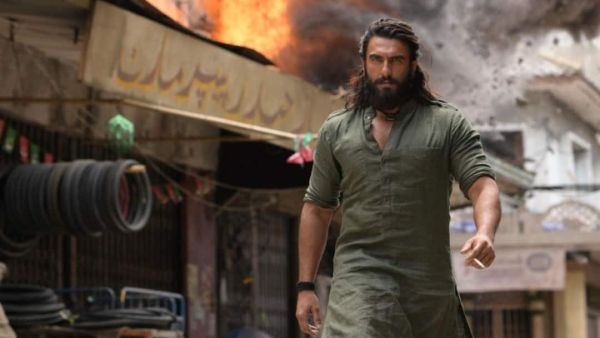
At its core, the film follows the transformation of an undercover operative who rises from obscurity to become a powerful figure within Pakistan's underworld. Set against the backdrop of terror networks and cross-border tensions, the narrative explores intelligence operations designed to dismantle financial channels linked to terrorism.
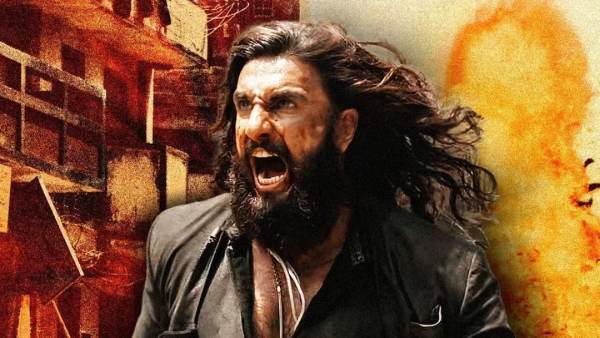
As the story unfolds, Ranveer Singh's journey as Hamza Ali Mazari, evolves into a larger commentary on stretegy, power, and national security. This layered storytelling is precisely what makes the film compelling, but also controversial.
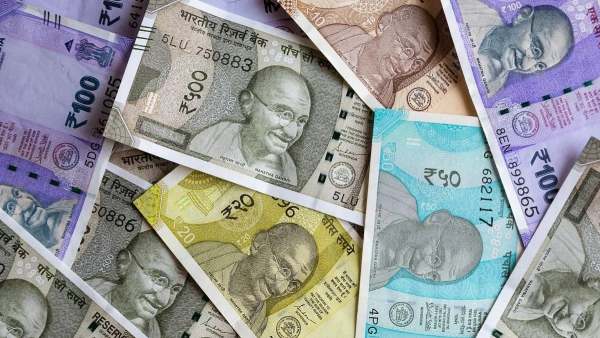
The second half of the film introduces a pivotal moment, Prime Minister Narendra Modi's demonetisation announcement on "8 November 2016". The film frames it as a calculated move, referring to it as a strategic crackdown aimed at disrupting illegal financial networks.
In a key sequence, a gangster-turned-politician watches the announcement unfold, visibly shaken as the implications sink in. His immediate concern revolves around counterfeit currency networks collapsing overnight. The urgency escalates when he contacts ISI chief Major Iqbal, portrayed by Arjun Rampal, expressing alarm over the sudden disruption and his inability to circulate fake notes worth Rs 60,000 crore.
This moment is crafted to heighten tension, but it also raises a larger question: is the film presenting demonetisation as a tactical success?
The portrayal has divided audiences sharply. While some viewers were intrigued by the narrative choice, others openly questioned its intent.
in Dhurandhar 2 Aditya dhar actually trying to justify demonetization.
— Honest Cricket Lover (@Honest_Cric_fan) March 19, 2026
But he doesn't know 100+ deaths were reported and millions of people were severely affected by demonetisation .
There were many propaganda scenes in Part 1 of Dhurandhar too, but this time they justified…
One user wrote, "in Dhurandhar 2 Aditya dhar is actually trying to justify demonetization. But he doesn't know 100+ deaths were reported and millions of people were severely affected by demonetisation ."
So they’ve dedicated one entire chapter to DEMONETISATION and why it was the RIGHT decision by the #BJP government. #DhurandharTheRevenge
— Aavishkar (@aavishhkar) March 18, 2026
Another commented, "So they’ve dedicated one entire chapter to DEMONETISATION and why it was the RIGHT decision by the #BJP government. "
Even Modi and the BJP have stopped calling demonetisation a masterstroke, but this guy made a 4-hour movie justifying it 🤣#dhurandhar2 #dhurandhartherevenge #dhurandhar #adityadhar #narendramodi pic.twitter.com/oEaWaNjcfR
— Tosif (@its_tossi) March 19, 2026
A third reaction read, "Even Modi and the BJP have stopped calling demonetisation a masterstroke, but this guy made a 4-hour movie justifying it 🤣"
#Dhurandhar: is a very well made right wing propaganda. All this effort to justify demonetisation? lol. Madhavan wasn’t acting, he was being himself, the usual ruling party dickriding. Akshaye Khanna and the slick soundtrack aside, it’s just another forgettable propaganda.
— ALIM SHAN (@AlimShan_) January 30, 2026
Meanwhile, another user remarked, "#Dhurandhar: is a very well made right wing propaganda. All this effort to justify demonetisation? lol."
These contrasting responses have simply shown how a single narrative choice can shift audience perception, turning entertainment into a larger socio-political conversation.
What stands out most is how the film frames demonetisation through a distinctly one-sided lens, presenting it as a decisive blow to terror networks while overlooking its wider consequences. By focusing only on its supposed strategic success, the narrative begins to resemble a carefully constructed propaganda angle rather than a balanced cinematic interpretation.
This approach doesn’t just simplify a complex reality, it reshapes it, raising questions about whether the film is informing audiences or quietly influencing them.
Dhurandhar 2 ultimately blurs the line between entertainment and messaging. While films often draw from real events, the way those events are framed can significantly influence audience perception.
Here, the balance appears tilted. The storytelling doesn’t just incorporate demonetisation, it appears to validate it.
For a section of viewers, that shift is hard to overlook.