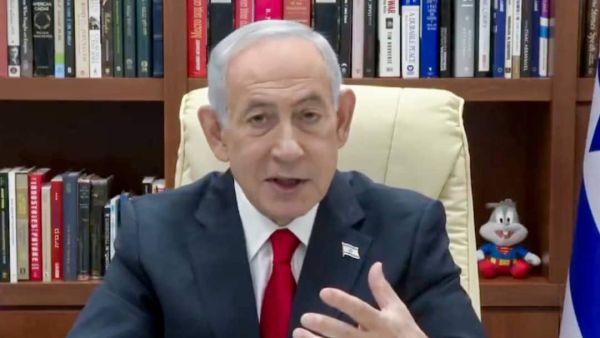
As the implications of the U.S.-Israeli military involvement in Iran begin to crystallize, a definitive political landscape is emerging. Even if active hostilities were to cease immediately, the strategic fallout suggests a singular outcome: Israeli Prime Minister Benjamin Netanyahu has successfully fortified his domestic standing, leaving U.S. President Donald Trump to navigate a destabilized global economy and strained relations with primary Gulf partners who have sustained the most significant losses.
For Prime Minister Netanyahu, the expansion of the conflict has effectively redrawn the Israeli political map in his favor. By successfully shifting the national and international focus away from the complexities of Gaza and toward the broader Iranian threat, he has aligned himself with a powerful domestic consensus. Analysts observe that this pivot allows Netanyahu to operate in a theater where his reputation for security expertise and economic resilience resonates most deeply with the electorate. By positioning the war as an existential necessity against a primary adversary, he has largely sidelined internal dissent and reaffirmed Israel’s military competence on the global stage.
Conversely, President Trump finds himself in an increasingly restrictive position, grappling with a conflict that offers no clear victory or immediate exit strategy. The war has effectively neutralized the economic narrative of stability and growth that facilitated his return to the Oval Office. Instead of a swift resolution, the administration is now managing spiraling risks that threaten the security of Gulf Arab allies and the equilibrium of global energy markets. The absence of a viable "off-ramp" means that the U.S. remains tethered to a regional crisis that complicates its broader foreign policy objectives and domestic fiscal goals.
The regional assessment remains grim for traditional American partners in the Gulf. Former U.S. Middle East negotiator Aaron David Miller characterizes the current state of affairs as having a definitive winner and a clear loser. While Netanyahu has emerged as the primary victor by demonstrating military resolve and shifting the regional focus, the Gulf states are identified as the primary losers, having borne the brunt of the geopolitical and economic costs. For President Trump, the inability to declare a decisive triumph and withdraw signifies a major complication in his administration's ability to maintain its "America First" priorities amidst a protracted Middle Eastern struggle.