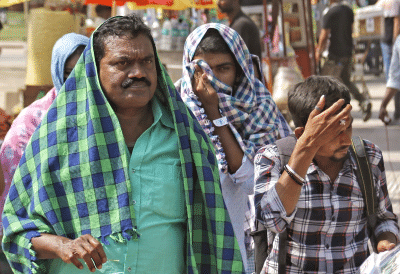
Chennai, March 25 (IANS) Even before the peak summer season begins, Tamil Nadu is bracing for rising temperatures starting Thursday, with the Regional Meteorological Centre forecasting a gradual increase in heat levels over the next few days.
According to the latest weather bulletin, dry weather conditions are expected to prevail across Tamil Nadu and Puducherry through Friday, with no significant rainfall activity in most parts of the state. However, isolated light showers are likely over the hilly regions of Coimbatore and the Nilgiris on Friday.
From Saturday onwards, moderate rainfall is expected in several districts along the Western Ghats for a period of three days, offering limited relief from rising temperatures.
The weather department has indicated that while maximum temperatures will remain near normal on Wednesday, they are likely to increase by up to 3 degrees Celsius over the next three days. In Chennai and its suburbs, no rainfall is expected, and daytime temperatures are likely to hover around 34 degrees Celsius, accompanied by dry conditions.
Experts warn that the state could face an intense summer this year, driven by global climatic shifts and the possible emergence of a strong El Nino event.
Former Secretary of the Ministry of Earth Sciences, M. Rajeevan, has cautioned that emerging climate signals point to a high likelihood of an El Nino developing during the upcoming monsoon season, with indications that it could intensify into a strong event.
He noted that while uncertainties remain, a clearer assessment is expected by May 2026, and stressed the need for authorities to remain vigilant and initiate preparatory measures.
El Nino events are known to disrupt India’s monsoon systems, particularly the Northeast Monsoon, which is crucial for Tamil Nadu’s annual rainfall.
A strong event could lead to a delay or weakening of these rains, increasing the risk of prolonged dry spells and water shortages. Such a scenario could place considerable strain on reservoirs that supply drinking water to Chennai and nearby regions. In agricultural areas like the Cauvery delta, reduced rainfall may adversely affect crop cycles and yields, while greater dependence on groundwater could further deplete already stressed aquifers, raising serious concerns about long-term water security.
--IANS
aal/dpb