The ceasefire between Afghanistan and Pakistan that remained in place until midnight of March 23-24 on the occasion of Eid has broken down, leading to fresh escalation along the tense border. Afghan forces carried out artillery strikes on Pakistani military positions on Tuesday evening, signalling a sharp rise in hostilities after days of fragile calm. The latest exchange comes amid competing claims of territorial gains, drone surveillance footage and growing military mobilisation on both sides, raising concerns that the conflict could move beyond limited clashes into a wider cross-border confrontation.
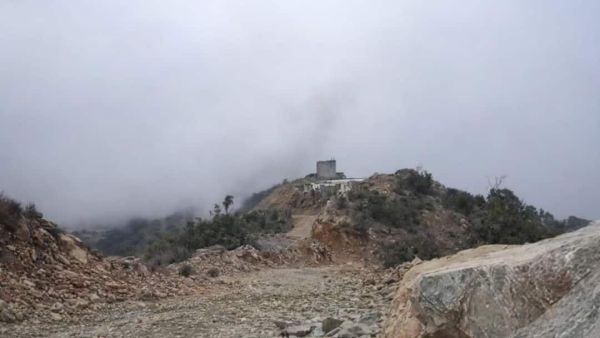
According to visuals accessed by ABP News, Afghan artillery targeted a Pakistani military post along the Kunar-Bajaur axis. The strike reportedly set the installation on fire, reducing the structure to rubble within minutes. Footage shows sustained shelling followed by heavy smoke rising from the site, indicating a high-intensity and deliberate attack.
The strike took place shortly after the Eid ceasefire expired, suggesting that the truce failed to ease tensions along the frontier. Officials monitoring the situation say the exchange marks one of the most direct confrontations between the two sides in recent weeks.
The escalation comes a day after Pakistan released drone footage and images claiming it had captured territory along the border. According to the Pakistani military, its forces have seized around 32 square kilometres of Afghan land since February 22, stretching from Balochistan to Khyber Pakhtunkhwa.
The claim includes the construction of fortified posts and fencing in what Islamabad described as newly secured zones. Visuals from the Zhob sector show forward positions inside Afghanistan’s Paktika province near the Balochistan border.
Security analysts say the deployment reflects a tactical approach often taught at Pakistan’s Command and Staff College, where officers are trained in limited cross-border advances aimed at forcing negotiations.
Military activity has been particularly intense along the Balochistan frontier, where operations are being led by the Pakistan Army’s Quetta-based 12 Corps. Its 33rd and 41st Infantry Divisions are reported to be engaged in combat in key border sectors.
Of the territory claimed by Pakistan, a large portion lies along the Afghanistan–Balochistan axis, indicating a focused push in that region. The pattern of deployment suggests a coordinated strategy rather than isolated clashes.
The current escalation follows weeks of airstrikes by Pakistan inside Afghanistan, which Kabul has said damaged civilian areas including residential buildings and hospitals. Islamabad had also approached countries such as Qatar, Saudi Arabia and Turkey seeking mediation, but no agreement was reached.
With Afghanistan now responding through artillery fire, security sources believe the conflict could expand further. Some assessments warn that Afghan forces may move beyond defensive action and carry out operations across the Khyber Pakhtunkhwa frontier.
Historical precedent adds to these concerns. During the Pashtunistan conflict of 1960-61, Afghan forces crossed into Pakistani territory and took control of several sectors including Bajaur, Nawagai and Mamund. The present situation shows signs of a similar trajectory, with both sides moving towards sustained cross-border confrontation.