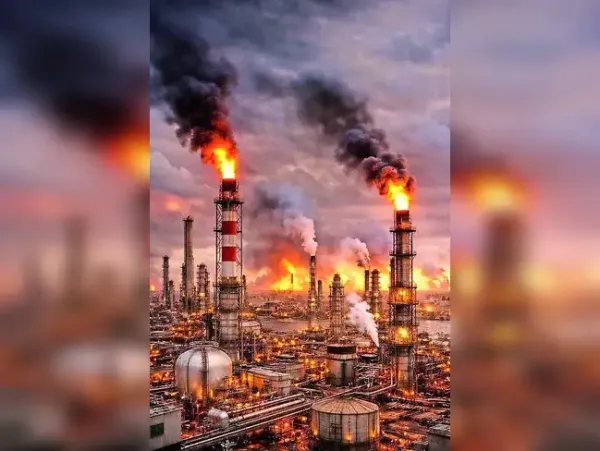
A clutch of industries that use petrochemicals as inputs, from pharmaceuticals and paints to textiles and toys, is facing the brunt of the Iran conflict as refiners have passed on the surge in crude oil and natural gas prices. Some of the downstream sectors in the petrochemicals complex are labour-intensive small enterprises with low pricing power, such as textile units where distress is showing up in employment figures. These industries are looking at an extended spell of margin pressure as input costs are unlikely to subside till global petrochemicals supply chain recovers, possibly only months after hostilities end in the Persian Gulf.
There's cause for GoI's intervention for sectors directly affected by the energy price pass-through to dampen its effect on generalised inflation. This could range from fiscal to trade support. Even signals from GoI that it is considering relief will help dial down sentiment, with consequences for prices. Inflation had been creeping up before the Iran conflict, and once petrochem buyers start raising prices, these will show up in the headline numbers. The incomplete transmission of energy costs through food and fuel may not be enough, given the extent of rise in petrochem prices.
India's Goldilocks economic scenario of strong growth and low inflation is over. Effects of petrochem inflation are not as immediate as fuel - these appear with a lag. Packaging price rises show up in new inventory that arrives in the market with a delay. Petrochem use is almost universal in consumer goods, and the ticket shock, though slow and imperceptible, shows up over time. The price transmission works through labour-intensive industries and affects lower-income consumers. The market is pricing in uncertainty, and there is a likelihood petrochem prices will keep rising independent of how the Iran crisis resolves. Monetary policy will have to adjust for the persistent pressure. These adjustments may need to be front-loaded.
There's cause for GoI's intervention for sectors directly affected by the energy price pass-through to dampen its effect on generalised inflation. This could range from fiscal to trade support. Even signals from GoI that it is considering relief will help dial down sentiment, with consequences for prices. Inflation had been creeping up before the Iran conflict, and once petrochem buyers start raising prices, these will show up in the headline numbers. The incomplete transmission of energy costs through food and fuel may not be enough, given the extent of rise in petrochem prices.
India's Goldilocks economic scenario of strong growth and low inflation is over. Effects of petrochem inflation are not as immediate as fuel - these appear with a lag. Packaging price rises show up in new inventory that arrives in the market with a delay. Petrochem use is almost universal in consumer goods, and the ticket shock, though slow and imperceptible, shows up over time. The price transmission works through labour-intensive industries and affects lower-income consumers. The market is pricing in uncertainty, and there is a likelihood petrochem prices will keep rising independent of how the Iran crisis resolves. Monetary policy will have to adjust for the persistent pressure. These adjustments may need to be front-loaded.