


‘Maybe, it won’t come to that.’ A perverse logic pervades most forecasts on the war’s economic consequences. The unstated refrain is that some solution, not a neat resolution, but a cold peace, the kind of hostile truce one can imagine between racists and fanatics, would emerge. After a while, the intensity of conflict would diminish, though not go away, and another stretch of West Asia would become a troubled zone while the rest of the world gets on with life.
It’s a quiet hope for many strategists even as the turbulence turns murkier. They are unable to predict beyond April, assess how inflation would behave — a number that’s not just a function of oil, but several product prices pushed up by longer voyages. No one is sure when higher intermediate product prices would creep into wholesale prices and how fast consumer prices would catch up.
Also Read | RBI tightens norms on net open positions to curb rupee’s slide
They are caught in a more complex world where calculations must factor in commodity prices as well as quantities and availability. It could take months for trade to normalise even after the Strait of Hormuz fully opens. It’s futile to borrow from the Russia-Ukraine war which today looks like a simplistic template. And, how the war would impact the FY26 numbers, and how much would spill over to FY27 can only be a guess.
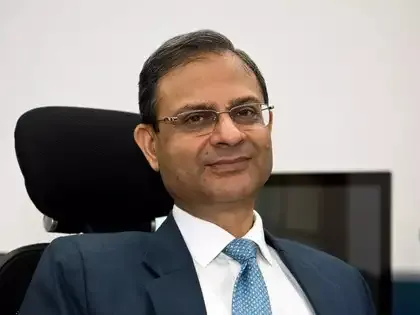
In a world like this, Sanjay Malhotra will announce the financial year’s first monetary policy on April 8. It will be his acid test. Many governors have had baptism by fire. Lehman collapsed less than a fortnight after Duvvuri Subbarao took charge in September 2008. Raghuram Rajan walked into the winds of taper tantrum in 2015. Like his predecessor Shaktikanta Das, who faced Covid a year after taking charge, Malhotra must deal with the war volatility and disruptions, which would dampen growth and stoke inflation.
Like banks and bond houses it regulates, RBI faces a challenge. In the April and October policies, RBI forecasts crude and exchange rate over the next 2 years. The estimates go into its model and policy. But with oil and markets tossed between Trump’s tweets, that exercise is now a shot in the dark.
Still, if Malhotra has a way and the rupee does not come under a fresh fierce attack, he could prefer a ‘lower for longer’ approach to rates, avoid an April hike which would betray a sense of panic and view the turmoil as a transitory supply shock. A resistance to hike amid growth headwinds stems from Das’ playbook to avoid local measures that amplify global shocks.
Also Read | Gold loan industry wants RBI to defer the revised lending rule
So, RBI intervened in forex and bought gilts to prevent shooting bond yields that would have sparked higher mark-to-market losses and sell-off of bank stocks. But as inflation hardens, Malhotra must take a call on raising rates while balancing the probability of downside to growth. An inflation above 4.5% would be within RBI’s target band, but an unchanged policy rate of 5.25% would go against the preferred real rate of 1% or slightly higher.
Monetary policy can take sudden turns, particularly when the guv is not a hard-boiled economist and is more receptive to views. Das, who held rates at the onset of the Ukraine war in February 2022, began a surprise tightening from early May, soon after IMF meeting.
A few things favour RBI. Unlike in Covid or the financial meltdown, no one today expects the central bank to be the first line of defence. And, with GoI partly absorbing inflationary pressures by avoiding a fuel price rise, RBI can focus more on growth.
However, firefighting war-induced uncertainties may stretch longer than feared. Who would mediate? What would the US project as a win? What would Iran get in return? There are no answers as the world has forgotten the price it paid for the lack of humility of victors in modern history — something that weighed heavily on 20th century’s economic policymakers. Today, central banks and policymakers confront new odds — as narratives eclipse facts, the victor and the vanquished can’t be distinguished.
Someday, the madness would ebb. Still, the problem that dogs India would remain: a deficit BoP, with more dollars flowing out than coming in. It may worsen after the war. Amid foreign equity outflows and low direct investments, GoI and RBI must use every ammunition to increase dollar supply and back INR.
Not just emergency measures like slashing banks’ forex speculative book after the rupee breached 94. Or, possible steps like making exporters sell dollars sooner; holding variable reverse repo auctions to raise short-term rates and make betting against the INR costlier; lowering individual overseas remittance limit; announcing a special NRI deposit scheme through SBI amid fears that remittances from the Gulf may be hit.
Much more must be done to deepen the dollar pool: fast track clearance of FDI proposals, relaxing rules to attract FDI from China and Hong Kong as far as politically acceptable; stop misuse of overseas direct investments and push GoI bonds in more global indices — after all, foreign investment in bonds has been stickier than FPI equity bets. Till BoP stays red, Malhotra and his army would continue defending the rate and rupee long after the war is over.
It’s a quiet hope for many strategists even as the turbulence turns murkier. They are unable to predict beyond April, assess how inflation would behave — a number that’s not just a function of oil, but several product prices pushed up by longer voyages. No one is sure when higher intermediate product prices would creep into wholesale prices and how fast consumer prices would catch up.
Also Read | RBI tightens norms on net open positions to curb rupee’s slide
They are caught in a more complex world where calculations must factor in commodity prices as well as quantities and availability. It could take months for trade to normalise even after the Strait of Hormuz fully opens. It’s futile to borrow from the Russia-Ukraine war which today looks like a simplistic template. And, how the war would impact the FY26 numbers, and how much would spill over to FY27 can only be a guess.
In a world like this, Sanjay Malhotra will announce the financial year’s first monetary policy on April 8. It will be his acid test. Many governors have had baptism by fire. Lehman collapsed less than a fortnight after Duvvuri Subbarao took charge in September 2008. Raghuram Rajan walked into the winds of taper tantrum in 2015. Like his predecessor Shaktikanta Das, who faced Covid a year after taking charge, Malhotra must deal with the war volatility and disruptions, which would dampen growth and stoke inflation.
Like banks and bond houses it regulates, RBI faces a challenge. In the April and October policies, RBI forecasts crude and exchange rate over the next 2 years. The estimates go into its model and policy. But with oil and markets tossed between Trump’s tweets, that exercise is now a shot in the dark.
Still, if Malhotra has a way and the rupee does not come under a fresh fierce attack, he could prefer a ‘lower for longer’ approach to rates, avoid an April hike which would betray a sense of panic and view the turmoil as a transitory supply shock. A resistance to hike amid growth headwinds stems from Das’ playbook to avoid local measures that amplify global shocks.
Also Read | Gold loan industry wants RBI to defer the revised lending rule
So, RBI intervened in forex and bought gilts to prevent shooting bond yields that would have sparked higher mark-to-market losses and sell-off of bank stocks. But as inflation hardens, Malhotra must take a call on raising rates while balancing the probability of downside to growth. An inflation above 4.5% would be within RBI’s target band, but an unchanged policy rate of 5.25% would go against the preferred real rate of 1% or slightly higher.
Monetary policy can take sudden turns, particularly when the guv is not a hard-boiled economist and is more receptive to views. Das, who held rates at the onset of the Ukraine war in February 2022, began a surprise tightening from early May, soon after IMF meeting.
A few things favour RBI. Unlike in Covid or the financial meltdown, no one today expects the central bank to be the first line of defence. And, with GoI partly absorbing inflationary pressures by avoiding a fuel price rise, RBI can focus more on growth.
However, firefighting war-induced uncertainties may stretch longer than feared. Who would mediate? What would the US project as a win? What would Iran get in return? There are no answers as the world has forgotten the price it paid for the lack of humility of victors in modern history — something that weighed heavily on 20th century’s economic policymakers. Today, central banks and policymakers confront new odds — as narratives eclipse facts, the victor and the vanquished can’t be distinguished.
Someday, the madness would ebb. Still, the problem that dogs India would remain: a deficit BoP, with more dollars flowing out than coming in. It may worsen after the war. Amid foreign equity outflows and low direct investments, GoI and RBI must use every ammunition to increase dollar supply and back INR.
Not just emergency measures like slashing banks’ forex speculative book after the rupee breached 94. Or, possible steps like making exporters sell dollars sooner; holding variable reverse repo auctions to raise short-term rates and make betting against the INR costlier; lowering individual overseas remittance limit; announcing a special NRI deposit scheme through SBI amid fears that remittances from the Gulf may be hit.
Much more must be done to deepen the dollar pool: fast track clearance of FDI proposals, relaxing rules to attract FDI from China and Hong Kong as far as politically acceptable; stop misuse of overseas direct investments and push GoI bonds in more global indices — after all, foreign investment in bonds has been stickier than FPI equity bets. Till BoP stays red, Malhotra and his army would continue defending the rate and rupee long after the war is over.



Sugata Ghosh
Senior Editor, ET