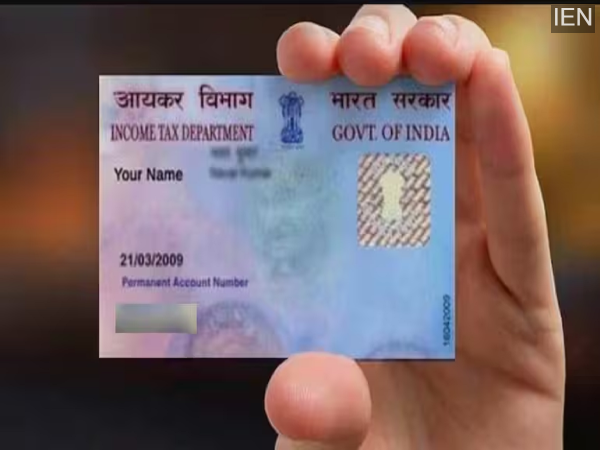
Starting April 1, 2026, several important changes related to the Permanent Account Number (PAN) will come into effect in India. These updates are aimed at simplifying compliance while also tightening tracking of financial transactions. From revised thresholds to new documentation rules, these changes could directly impact taxpayers, investors, and everyday banking activities.
If you use a PAN card regularly for financial transactions, here’s everything you need to understand to avoid future hassles.
The government has updated PAN-related norms to make compliance easier and align financial monitoring with current economic realities. Many transaction limits have been revised upward, while some areas—like insurance—have stricter requirements.
These changes are designed to reduce unnecessary paperwork for smaller transactions while ensuring transparency in larger financial dealings.
From April 1, applying for a PAN card will require more than just Aadhaar. Applicants must now submit additional documents to verify identity and date of birth.
It is also mandatory that the name on PAN matches exactly with Aadhaar records, otherwise the application may be rejected.
The government has introduced category-based PAN application forms:
This step is expected to streamline processing and reduce confusion during applications.
Several financial transactions will now have revised thresholds for mandatory PAN usage:
These updates bring both relief and responsibility:
✔ Relief: Higher limits mean fewer PAN requirements for smaller transactions
✔ Stricter Compliance: Insurance and identity verification rules are tighter
✔ Better Tracking: Authorities can monitor high-value transactions more effectively
For individuals, this means fewer interruptions in routine spending—but greater attention is needed for documentation and high-value dealings.
The new PAN rules coming into effect from April 1, 2026, mark a significant shift in how financial compliance is handled in India. While the government has eased norms for smaller transactions, it has also strengthened oversight in critical areas.
Being aware of these changes in advance can help you avoid penalties, delays, or transaction issues. Stay informed, stay compliant, and make sure your financial records are up to date before the new rules kick in.