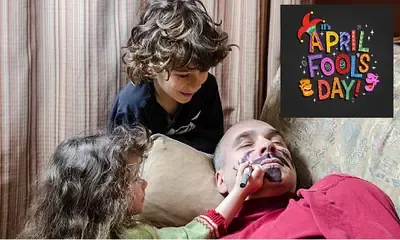
Every year on April 1, people across the world celebrate April Fool’s Day by playing harmless pranks, sharing funny jokes, and surprising friends, family members and colleagues with clever tricks. What began as a light-hearted tradition centuries ago has now become a global social media event, with brands, celebrities and internet users joining in with viral posts and memes.
But why do we celebrate April Fool’s Day, and how did it begin? Here is a reader-friendly look at its history and some of the funniest pranks that captured attention online.
The mystery behind its originThe exact origin of April Fool’s Day is still debated, and historians point to several possible explanations.
One popular theory links it to France in the 16th century. In 1582, King Charles IX adopted the Gregorian calendar, moving New Year celebrations from the end of March to January 1. Those who continued to celebrate the old New Year date around April 1 were mocked and called “April fools”.
Another theory traces the tradition to ancient spring festivals in Europe, where people marked the changing season with playful behaviour and role reversals.
Some also compare it to festivals such as Hilaria in ancient Rome, where people wore disguises and celebrated with jokes and laughter.
Though the exact beginning remains unclear, the spirit of harmless fun has remained the same through the centuries.
From newspapers to social mediaEarlier, April Fool’s Day pranks were mostly played among friends, in schools, homes or offices.
With the rise of television and newspapers, media houses also began publishing prank stories on April 1. Today, the tradition has moved strongly to social media platforms such as X, Instagram, Facebook and YouTube, where prank posts often go viral within minutes.
What was once a local joke is now a worldwide online trends
Google’s “Mic Drop” Gmail prank (2016)
This remains one of the most talked-about internet pranks.
Google added a “Send + Mic Drop” button in Gmail that sent emails with a Minion GIF dropping a microphone and muted the conversation thread.
Many users accidentally used it for serious office and job emails, which made it go massively viral across social media.
CBS News reported that the prank drew huge online reactions and criticism, making it one of the most famous digital April Fool’s pranks.
BBC’s flying penguins video
One of the most legendary April Fool’s media pranks.
The BBC released a highly convincing video showing penguins flying through the sky in Antarctica.
Millions initially believed it, and the clip spread rapidly across YouTube and social platforms.
It is still frequently referenced in lists of the greatest April Fool’s hoaxes.
Duolingo’s fake reality show “Love Language”
This prank became highly viral in recent years.
Language-learning app Duolingo teamed up with Peacock for a fake dating reality show called “Love Language.”
The campaign was shared heavily on Instagram, X and TikTok, with many users initially believing it was real.
It was widely covered as one of the internet’s best brand pranks.
Yahoo’s “grass keyboard”
In 2025, Yahoo launched a fake Agricultural Interface Keyboard, a keyboard literally covered in grass.
The bizarre product images quickly spread across X and tech meme pages.
It became one of the most shared brand pranks online that year.
Fake celebrity and holiday announcements on X
Every year, fake celebrity retirement news, wedding announcements, and even false public holiday posts trend massively.
In India especially, prank tweets about surprise holidays and celebrity announcements often go viral on X and WhatsApp.
Several news outlets have documented how such posts dominate social media every April 1.
Why people enjoy April Fool’s Day
April Fool’s Day offers a break from routine life. In a world often filled with serious news and fast-paced schedules, it gives people a chance to laugh and connect through humour.
However, experts often remind people to keep pranks harmless and avoid spreading misinformation that may cause panic or hurt others.
The digital age of harmless humour
In 2026, April Fool’s Day is no longer just about personal jokes. It has become a major digital event, with brands, news pages, influencers and ordinary users creating creative content for millions of readers.
Whether it is a funny office prank, a viral meme, or a clever brand campaign, the day continues to celebrate humour, creativity and the joy of laughter.