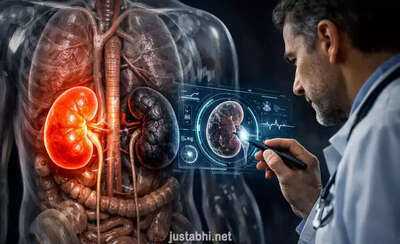
The kidneys are essential organs in our body, primarily responsible for filtering blood and eliminating waste through urine. They function as complex filters, containing millions of tiny tubes known as nephrons.
These nephrons continuously filter blood, returning necessary substances back into circulation. A healthy kidney can filter approximately 1500 liters of blood daily.
Additionally, kidneys play a crucial role in maintaining the body's water balance, regulating elements like sodium, potassium, and calcium, and contributing to hormonal balance.
Beyond filtration, kidneys assist in the blood production process. They produce a hormone called erythropoietin, which stimulates bone marrow to generate blood. If kidney function declines, it can lead to anemia, making kidney health vital for overall well-being.
When kidneys fail to perform their functions due to illness, this condition is termed kidney failure. Typically, a blood test can reveal reduced kidney function, indicated by elevated levels of creatinine and urea. However, kidneys have significant reserve capacity, so early damage may not show noticeable changes in blood tests. Clear indications emerge only when kidney function drops below 50%.
Kidney failure can be classified into two types: acute kidney failure, which occurs suddenly and may be reversible with timely treatment, and chronic kidney failure, which develops gradually over months or years. In severe cases, patients may require dialysis or a kidney transplant.
Another kidney-related condition is nephrotic syndrome, commonly seen in children. This disorder leads to excessive protein loss through urine, resulting in protein deficiency in the body. Symptoms include swelling in the face, under the eyes, and other body parts, often more pronounced in the morning.
The exact causes of nephrotic syndrome are not fully understood, but it may arise from immune system dysfunction, infections, side effects of certain medications, diabetes, or other health issues. Diagnosis typically involves urine tests, blood tests, ultrasounds, and, if necessary, kidney biopsies.
To prevent kidney disease, it is crucial to focus on lifestyle and dietary choices. Reducing salt intake, drinking adequate water, controlling blood pressure and sugar levels, and avoiding medications without a doctor's advice are essential steps. If symptoms like swelling, changes in urine, extreme fatigue, or weakness occur, it is vital to consult a doctor promptly. Early detection and appropriate treatment can significantly mitigate serious kidney-related issues.