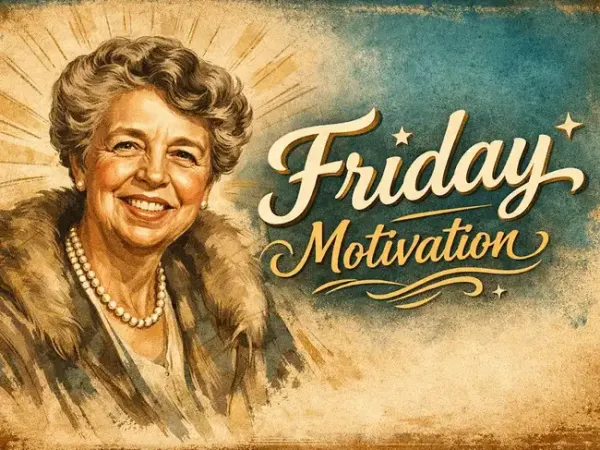
Eleanor Roosevelt, the longest-serving First Lady, reminds us through this motivational quote that our sense of self-worth ultimately lies within our own control. "Remember no one can make you feel inferior without your consent" means that other people’s words, actions, or opinions only have power over us if we allow them to. It highlights the importance of inner confidence and emotional strength. In everyday life, criticism, rejection, or judgment can make people doubt themselves. But Roosevelt’s message is clear: you control how you respond. By believing in your value and abilities, you protect yourself from negativity. When you stop seeking validation from others, you become more independent and secure. In simple terms, the quote teaches that confidence comes from within - and no one can take it away unless you give them permission.
Eleanor Roosevelt was one of the most influential and active First Ladies in American history. Born on October 11, 1884, in New York City, she came from a prominent family but faced a difficult childhood marked by the early loss of both parents. Despite these hardships, she developed a strong sense of empathy and independence that would later define her public life.
She married Franklin D Roosevelt in 1905, and her role grew significantly when he became president in 1933 during the Great Depression. As First Lady, Eleanor broke tradition by stepping far beyond ceremonial duties. She held regular press conferences, wrote a widely read daily newspaper column called 'My Day', and traveled extensively across the country to observe conditions firsthand.
Eleanor became a powerful advocate for social justice. She spoke out for workers’ rights, women’s equality, and the needs of the poor. At a time when segregation was widespread, she publicly supported civil rights for African Americans, often challenging the status quo. Her willingness to engage with controversial issues made her both admired and criticized, but she remained committed to her principles.
After President Roosevelt’s death in 1945, many expected her to step away from public life. Instead, she entered a new and even more impactful phase. President Harry S Truman appointed her as a delegate to the United Nations, where she played a key role in shaping global human rights policy.
Eleanor is best remembered for her leadership in drafting the Universal Declaration of Human Rights in 1948. This landmark document set a global standard for basic human freedoms and remains a cornerstone of international law. Her work earned her the nickname 'First Lady of the World', reflecting her global influence.
Throughout her life, Eleanor used her voice to promote fairness, dignity, and opportunity for all. She wrote books, gave speeches, and continued her activism well into her later years. She passed away on November 7, 1962, but her legacy endures.
Today, Eleanor Roosevelt is remembered not just as a First Lady, but as a trailblazer who transformed the role into a platform for meaningful change. Her life remains a powerful example of courage, compassion, and leadership.
Eleanor Roosevelt was one of the most influential and active First Ladies in American history. Born on October 11, 1884, in New York City, she came from a prominent family but faced a difficult childhood marked by the early loss of both parents. Despite these hardships, she developed a strong sense of empathy and independence that would later define her public life.
She married Franklin D Roosevelt in 1905, and her role grew significantly when he became president in 1933 during the Great Depression. As First Lady, Eleanor broke tradition by stepping far beyond ceremonial duties. She held regular press conferences, wrote a widely read daily newspaper column called 'My Day', and traveled extensively across the country to observe conditions firsthand.
Eleanor became a powerful advocate for social justice. She spoke out for workers’ rights, women’s equality, and the needs of the poor. At a time when segregation was widespread, she publicly supported civil rights for African Americans, often challenging the status quo. Her willingness to engage with controversial issues made her both admired and criticized, but she remained committed to her principles.
After President Roosevelt’s death in 1945, many expected her to step away from public life. Instead, she entered a new and even more impactful phase. President Harry S Truman appointed her as a delegate to the United Nations, where she played a key role in shaping global human rights policy.
Eleanor is best remembered for her leadership in drafting the Universal Declaration of Human Rights in 1948. This landmark document set a global standard for basic human freedoms and remains a cornerstone of international law. Her work earned her the nickname 'First Lady of the World', reflecting her global influence.
Throughout her life, Eleanor used her voice to promote fairness, dignity, and opportunity for all. She wrote books, gave speeches, and continued her activism well into her later years. She passed away on November 7, 1962, but her legacy endures.
Today, Eleanor Roosevelt is remembered not just as a First Lady, but as a trailblazer who transformed the role into a platform for meaningful change. Her life remains a powerful example of courage, compassion, and leadership.