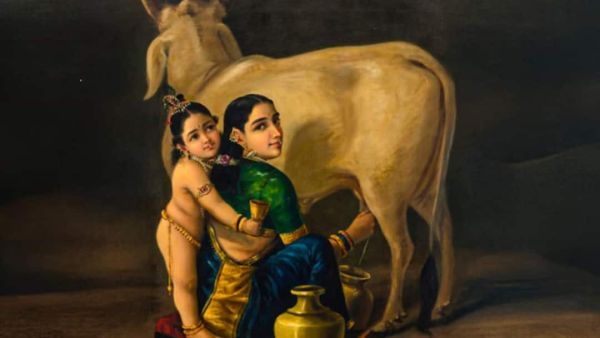
Raja Ravi Varma’s celebrated oil painting Yashoda and Krishna has rewritten history by selling for a staggering Rs 167.2 crore. The landmark sale took place at a high-profile spring auction hosted by Saffronart in Mumbai, where intense bidding pushed the price far beyond expectations.
Acquired by billionaire industrialist Cyrus S Poonawalla, the artwork has now become the most expensive Indian painting ever sold at auction. The final figure surpassed the earlier record held by M F Husain’s Untitled (Gram Yatra), which had fetched over Rs 118 crore.
The painting had initially been valued between Rs 80 crore and Rs 120 crore. However, as the auction unfolded, competitive bidding quickly drove the price to nearly double its upper estimate, showing the enduring appeal and growing global demand for Indian masterpieces.
The artwork was previously part of a private collection in Delhi before being brought to auction.
Created in the 1890s during the peak of Varma’s artistic journey, Yashoda and Krishna captures a deeply intimate yet divine moment. The composition shows Yashoda milking a cow, while young Krishna reaches out for a goblet of milk, drawing viewers into a scene that feels both personal and spiritually evocative.
Art experts often describe the piece as one that transforms a simple domestic setting into something far more profound, inviting the audience to engage with a larger sacred narrative.
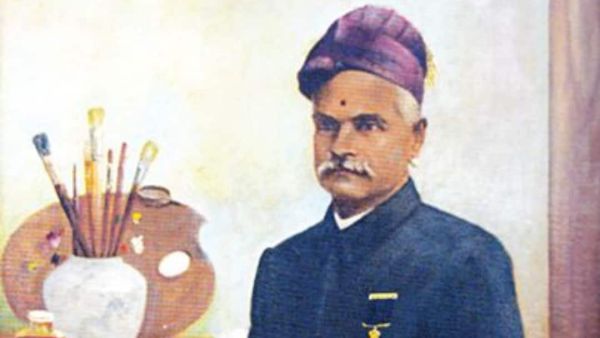
Born in 1848 into the aristocratic Kilimanoor family in Travancore, Raja Ravi Varma remains one of India’s most influential artists. He is widely credited with revolutionising Indian art by blending European academic realism with traditional Indian mythological themes.
Beyond his paintings, Varma played a crucial role in making art accessible to the masses. In 1894, he established a lithographic press that enabled affordable reproductions of his works, bringing iconic depictions of Hindu deities into homes across the country.
This record-breaking sale not only cements Varma’s legacy but also signals a growing appreciation for Indian art on the global stage. With collectors willing to invest unprecedented sums, one question lingers, could this be the beginning of a new era where Indian masterpieces command even greater recognition worldwide?