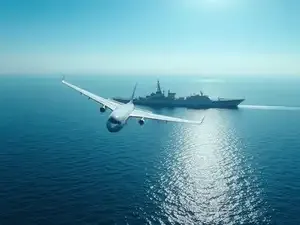
On July 3, 1988, a civilian airliner—Iran Air Flight 655—was shot down by the USS Vincennes, a U.S. Navy guided-missile cruiser, over the Strait of Hormuz, killing all 290 people on board, including 66 children.
The aircraft, an Airbus A300, had taken off from Bandar Abbas and was headed to Dubai on a routine commercial route. It was flying within a designated civilian corridor and had identified itself accordingly. However, amid rising tensions during the final phase of the Iran-Iraq War, the Vincennes crew mistook the plane for an incoming Iranian F-14 fighter jet.
At the time, U.S. naval forces were heavily deployed in the Persian Gulf to protect shipping lanes. The region had already seen multiple confrontations, including attacks on U.S. vessels and retaliatory operations. Against this backdrop, the Vincennes was engaged in a skirmish with Iranian gunboats when the aircraft appeared on radar.
Believing the aircraft posed an immediate threat and receiving no clear response to warnings, the ship’s commanding officer William C. Rogers III ordered the launch of two surface-to-air missiles. The plane was struck mid-flight and crashed into the sea.
The United States described the incident as a tragic error caused by misidentification in a high-pressure combat situation, maintaining that the crew acted in self-defense. President Ronald Reagan called the downing a "terrible human tragedy" but reiterated that the USS Vincennes had been "firing to protect itself against possible attack." Iran, however, condemned the strike as a deliberate and unjustified attack on civilians, calling it a crime against humanity.
In the years that followed, the incident became a major point of tension between the two countries. Iran filed a case at the International Court of Justice, and in 1996, the U.S. agreed to a financial settlement for the victims’ families without admitting legal responsibility.
Beyond the immediate loss of life, the tragedy deepened mistrust between Washington and Tehran. It remains one of the most controversial episodes of the Iran-Iraq War era and continues to influence how both nations view each other today.
The aircraft, an Airbus A300, had taken off from Bandar Abbas and was headed to Dubai on a routine commercial route. It was flying within a designated civilian corridor and had identified itself accordingly. However, amid rising tensions during the final phase of the Iran-Iraq War, the Vincennes crew mistook the plane for an incoming Iranian F-14 fighter jet.
At the time, U.S. naval forces were heavily deployed in the Persian Gulf to protect shipping lanes. The region had already seen multiple confrontations, including attacks on U.S. vessels and retaliatory operations. Against this backdrop, the Vincennes was engaged in a skirmish with Iranian gunboats when the aircraft appeared on radar.
Believing the aircraft posed an immediate threat and receiving no clear response to warnings, the ship’s commanding officer William C. Rogers III ordered the launch of two surface-to-air missiles. The plane was struck mid-flight and crashed into the sea.
The United States described the incident as a tragic error caused by misidentification in a high-pressure combat situation, maintaining that the crew acted in self-defense. President Ronald Reagan called the downing a "terrible human tragedy" but reiterated that the USS Vincennes had been "firing to protect itself against possible attack." Iran, however, condemned the strike as a deliberate and unjustified attack on civilians, calling it a crime against humanity.
In the years that followed, the incident became a major point of tension between the two countries. Iran filed a case at the International Court of Justice, and in 1996, the U.S. agreed to a financial settlement for the victims’ families without admitting legal responsibility.
Beyond the immediate loss of life, the tragedy deepened mistrust between Washington and Tehran. It remains one of the most controversial episodes of the Iran-Iraq War era and continues to influence how both nations view each other today.