A sharp disruption in global energy supplies following Iran’s halt on ship movements through the Strait of Hormuz has triggered fuel shortages across parts of South Asia and Europe, with Pakistan now imposing a “smart lockdown” to manage the crisis.
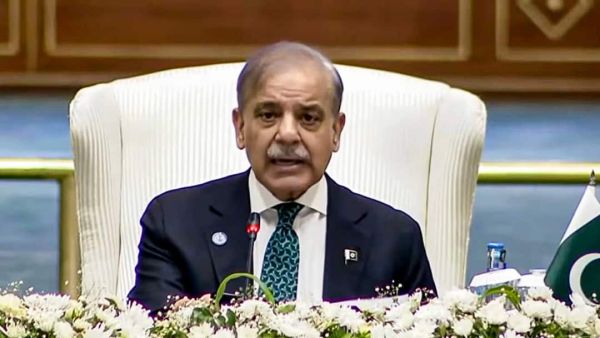
While countries such as India, Nepal and Bangladesh have taken measures to cushion the impact, Pakistan has struggled to contain the fallout. Prime Minister Shehbaz Sharif announced the restrictions after a high-level meeting with chief ministers, signalling an urgent push to conserve energy and limit fuel consumption.
According to Radio Pakistan, the government has ordered markets, shopping malls and commercial centres in Punjab, Khyber Pakhtunkhwa, Balochistan, the Islamabad Capital Territory, Gilgit-Baltistan and Pakistan-occupied Kashmir to shut by 8 pm. The decision was finalised during a review meeting chaired by Sharif in Islamabad, where officials focused on strategies to reduce petroleum usage and enforce energy-saving measures.
However, a slight relaxation has been granted in select areas. In the divisional headquarters of Khyber Pakhtunkhwa, markets and shopping centres will be allowed to operate until 9 pm. Despite this, general stores, department stores and all types of malls across regions will adhere to the 8 pm closure rule.
The restrictions extend beyond retail. Bakeries, restaurants and other food outlets, along with marriage halls, marquees and event venues, must close by 10 pm. The government has also banned wedding ceremonies in private homes after 10 pm, tightening controls on social gatherings.
Importantly, medical stores and pharmacies have been exempted from these curbs, ensuring access to essential healthcare services remains uninterrupted.
Officials confirmed that the measures take effect immediately from Tuesday, meaning the smart lockdown comes into force from 8 pm tonight across the country.
In a bid to ease the burden on citizens, the government has also rolled out relief measures. Public transport in Gilgit and Muzaffarabad will be made free for one month, with the federal government covering the costs.
The meeting was attended by Deputy Prime Minister Ishaq Dar, Planning and Development Minister Ahsan Iqbal, along with senior officials, underscoring the seriousness of the unfolding energy crisis and the government’s attempt to respond swiftly.