In the immediate aftermath of a tentative US-Iran ceasefire, Israel sharply escalated its offensive in Lebanon, launching a wave of strikes against the Iran-backed militant group Hezbollah.
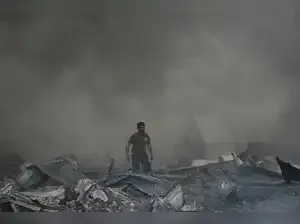
The intense bombardment, including attacks on central Beirut and other areas, left more than 300 people dead and over 1,150 injured, according to health officials, reported Reuters.
The Israeli military said that it had targeted sites affiliated with the Hezbollah militant group and announced that it had killed an aide to the group's leader, Naim Kassem. But the strikes, which hit densely packed residential and commercial districts at rush hour, also killed more than 100 women, children and older people, according to health officials.
Hezbollah retaliated to the heavy strikes — which prompted an international outcry — by launching missiles into Israel, though no serious casualties have been reported.
Why Lebanon not part of ceasefire
Prime Minister Benjamin Netanyahu has affirmed that Israel will persist in its military operations against Hezbollah, following a series of intense and lethal strikes across Lebanon.
In a statement shared via his personal account on X, the Prime Minister emphasised the continued scale of the offensive, noting that the military is "continuing to strike Hezbollah with force, precision, and determination."
The remarks come as Israel intensifies its campaign to degrade the group's capabilities, with Netanyahu underscoring the motivation behind the ongoing air strikes. "Our message is clear: anyone who acts against Israeli civilians - we will strike them," he asserted, linking the military action directly to the protection of the public.
On the other hand, Israeli PM Benjamin Netanyahu has insisted that the ceasefire in Lebanon was not included in the temporary agreement. "I insisted that the temporary ceasefire with Iran not include Hezbollah. And we continue to strike them forcefully," Netanyahu stated.
He further claimed that Israel dealt Hezbollah its greatest blow since the pager incidents, attacking "100 targets in 10 minutes, in places that Hezbollah was certain were immune."
Netanyahu expressed a firm determination to achieve Israel's objectives through negotiation or by "resuming the fighting." A primary objective for Tel Aviv remains prohibiting Iran from enriching uranium, which Israel believes will be used for nuclear weaponry.
"I want to make this clear: We still have goals to complete, and we will achieve them either by agreement or by resuming the fighting. We are prepared to return to combat at any moment required. Our finger is on the trigger," he warned.
Questions about the endgame
Lebanese officials have sought to directly negotiate with Israel to halt the fighting. On Thursday, Israeli Prime Minister Benjamin Netanyahu said that Israel had agreed to enter into talks that would focus on disarming Hezbollah and a possible peace deal.
When the U.S. and Iran announced a tentative ceasefire agreement on Wednesday, Pakistan’s prime minister, whose country served as a mediator, said in a social media post that it applied to “everywhere including Lebanon."
Hezbollah has said that it won't abide by the ceasefire unless Israel does.
Lebanon asks Pakistan for inclusion in truce
Lebanese Prime Minister Nawaf Salam asked his Pakistani counterpart on Thursday to confirm Lebanon's inclusion in the Iran war ceasefire, a day after Israeli strikes on the country killed more than 200 people.
In a statement, Salam's office said he phoned Shehbaz Sharif, praising Islamabad's efforts in securing the truce and asking him to "confirm that the ceasefire includes Lebanon to prevent a recurrence of the Israeli attacks witnessed yesterday".
Israel and the US have said the ceasefire does not include Lebanon, with Israel announcing it would continue its attacks on Iran-backed Hezbollah, which drew Lebanon into the regional war on March 2.
Iran's parliamentary speaker warned that Tehran sees Lebanon as an "inseparable part of the ceasefire" and threatened "strong responses", coinciding with mounting international calls for Lebanon to be encompassed in the truce.
Talks in Washington
Israel and Lebanon will hold talks next week in Washington after Prime Minister Benjamin Netanyahu ordered direct talks, a US official said Thursday.
"We can confirm that the Department will host a meeting next week to discuss ongoing ceasefire negotiations with Israel and Lebanon," a State Department official said, confirming an earlier account from a source familiar with the diplomatic efforts.
The talks will come soon after as the United States and Iran open talks in Pakistan.
Israel has said that the Lebanon invasion, in which it is targeting Iranian-backed Hezbollah, is not affected by a two-week ceasefire between the United States and Iran.
The intense bombardment, including attacks on central Beirut and other areas, left more than 300 people dead and over 1,150 injured, according to health officials, reported Reuters.
The Israeli military said that it had targeted sites affiliated with the Hezbollah militant group and announced that it had killed an aide to the group's leader, Naim Kassem. But the strikes, which hit densely packed residential and commercial districts at rush hour, also killed more than 100 women, children and older people, according to health officials.
Hezbollah retaliated to the heavy strikes — which prompted an international outcry — by launching missiles into Israel, though no serious casualties have been reported.
Why Lebanon not part of ceasefire
Prime Minister Benjamin Netanyahu has affirmed that Israel will persist in its military operations against Hezbollah, following a series of intense and lethal strikes across Lebanon.In a statement shared via his personal account on X, the Prime Minister emphasised the continued scale of the offensive, noting that the military is "continuing to strike Hezbollah with force, precision, and determination."
The remarks come as Israel intensifies its campaign to degrade the group's capabilities, with Netanyahu underscoring the motivation behind the ongoing air strikes. "Our message is clear: anyone who acts against Israeli civilians - we will strike them," he asserted, linking the military action directly to the protection of the public.
On the other hand, Israeli PM Benjamin Netanyahu has insisted that the ceasefire in Lebanon was not included in the temporary agreement. "I insisted that the temporary ceasefire with Iran not include Hezbollah. And we continue to strike them forcefully," Netanyahu stated.
He further claimed that Israel dealt Hezbollah its greatest blow since the pager incidents, attacking "100 targets in 10 minutes, in places that Hezbollah was certain were immune."
Netanyahu expressed a firm determination to achieve Israel's objectives through negotiation or by "resuming the fighting." A primary objective for Tel Aviv remains prohibiting Iran from enriching uranium, which Israel believes will be used for nuclear weaponry.
"I want to make this clear: We still have goals to complete, and we will achieve them either by agreement or by resuming the fighting. We are prepared to return to combat at any moment required. Our finger is on the trigger," he warned.
Questions about the endgame
Lebanese officials have sought to directly negotiate with Israel to halt the fighting. On Thursday, Israeli Prime Minister Benjamin Netanyahu said that Israel had agreed to enter into talks that would focus on disarming Hezbollah and a possible peace deal.When the U.S. and Iran announced a tentative ceasefire agreement on Wednesday, Pakistan’s prime minister, whose country served as a mediator, said in a social media post that it applied to “everywhere including Lebanon."
Hezbollah has said that it won't abide by the ceasefire unless Israel does.
Lebanon asks Pakistan for inclusion in truce
Lebanese Prime Minister Nawaf Salam asked his Pakistani counterpart on Thursday to confirm Lebanon's inclusion in the Iran war ceasefire, a day after Israeli strikes on the country killed more than 200 people.In a statement, Salam's office said he phoned Shehbaz Sharif, praising Islamabad's efforts in securing the truce and asking him to "confirm that the ceasefire includes Lebanon to prevent a recurrence of the Israeli attacks witnessed yesterday".
Israel and the US have said the ceasefire does not include Lebanon, with Israel announcing it would continue its attacks on Iran-backed Hezbollah, which drew Lebanon into the regional war on March 2.
Iran's parliamentary speaker warned that Tehran sees Lebanon as an "inseparable part of the ceasefire" and threatened "strong responses", coinciding with mounting international calls for Lebanon to be encompassed in the truce.
Talks in Washington
Israel and Lebanon will hold talks next week in Washington after Prime Minister Benjamin Netanyahu ordered direct talks, a US official said Thursday."We can confirm that the Department will host a meeting next week to discuss ongoing ceasefire negotiations with Israel and Lebanon," a State Department official said, confirming an earlier account from a source familiar with the diplomatic efforts.
The talks will come soon after as the United States and Iran open talks in Pakistan.
Israel has said that the Lebanon invasion, in which it is targeting Iranian-backed Hezbollah, is not affected by a two-week ceasefire between the United States and Iran.