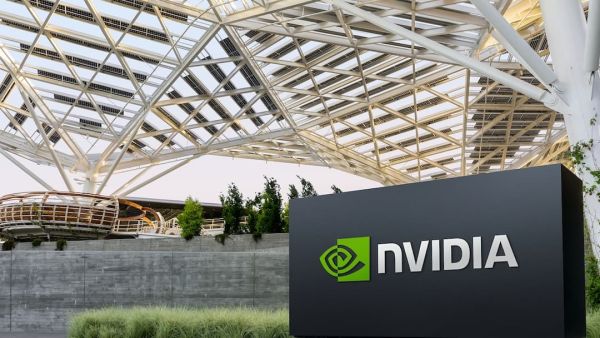
Nvidia Corp on Monday rejected reports suggesting it was in talks to acquire a large PC manufacturer, clarifying that it is not pursuing any such deal.
The denial came after speculation triggered a sharp rally in the shares of Dell Technologies Inc. and HP Inc., underscoring the sensitivity of markets to developments in the artificial intelligence (AI) ecosystem, reported Bloomberg.
The speculation originated from a report by tech website SemiAccurate, which claimed Nvidia had been negotiating a potential acquisition for over a year. The report suggested that the deal could significantly reshape the global PC industry.
The market reacted swiftly. Shares of Dell surged 6.7 per cent to close at a record high of $189.79, while HP gained 5.3 per cent to end the session at $19.23.
The rally reflected investor expectations that a tie-up with Nvidia, the dominant force in AI chips, could unlock new growth opportunities for traditional PC makers.
Nvidia moved quickly to dispel the speculation.
“The media report is false; Nvidia is not engaged in discussions to acquire any PC maker,” a company spokesperson said in a statement to Bloomberg.
The clarification reversed market sentiment in after-hours trading. Dell shares fell 3.4 per cent, while HP declined more than 3 per cent, giving up part of their earlier gains.
The idea of Nvidia acquiring a PC manufacturer resonated with investors given the company’s central role in the AI revolution.
Nvidia is currently the world’s most valuable company and a dominant supplier of chips powering artificial intelligence applications across industries. Its rapid growth has been fuelled by surging demand for AI infrastructure, including data centres and high-performance computing systems.
Chief Executive Officer Jensen Huang has consistently advocated for broader adoption of AI, encouraging businesses to integrate the technology into their operations.
In the fiscal year ending January, Nvidia invested approximately $70 billion in partners and customers to expand its AI ecosystem.
The rumour also gained momentum because of the growing intersection between AI and hardware manufacturers.
Dell and HP are among the world’s leading PC vendors. According to Gartner, HP holds around 19 per cent of the global PC market, second only to Lenovo at nearly 27 per cent. Dell follows closely with a market share of about 17 per cent.
Both companies are increasingly positioning themselves within the AI value chain.
Dell, in particular, has been expanding its presence in AI infrastructure. The company manufactures AI servers that rely on Nvidia’s chips and has projected that this segment could generate approximately $50 billion in revenue in the current fiscal year, ending January 2027.
This growing collaboration between Nvidia and PC makers may have added credibility to the acquisition speculation, even in the absence of concrete evidence.
The episode highlights how strongly markets are reacting to developments tied to artificial intelligence.
For investors, the incident serves as a reminder to approach market rumours with caution, particularly in sectors experiencing rapid innovation and high valuations.
While the long-term outlook for AI-driven businesses remains strong, short-term price movements can be heavily influenced by unverified reports and shifting sentiment.
The fundamentals of companies such as Nvidia, Dell and HP continue to be driven by their roles in the evolving technology landscape, rather than speculative deal-making.