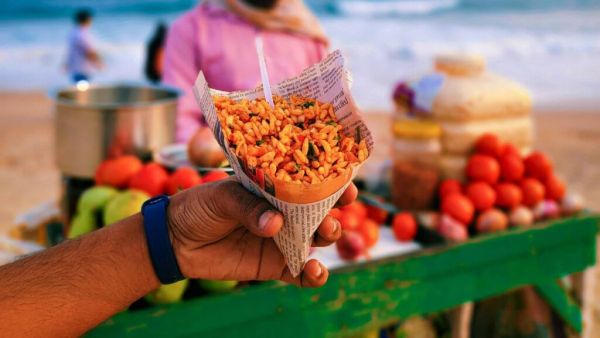
When it comes to the most iconic street foods of India, amongst legends like golgappe and vada pav, jhalmuri always finds a spot. There’s something about the crunch of puffed rice, the sharp hit of mustard oil, and that tangy-spicy kick that instantly transports you to the bustling streets of West Bengal. That’s the magic of Jhalmuri, a snack that’s as much an experience as it is a dish. Whether you need a snack break between errands at the market or crave something spicy yet light, jhalmuri seals the deal.
Jhalmuri is a flavourful mixture of puffed rice (muri) tossed with mustard oil, spices, chopped onions, chillies, and some crunchy add-ons. The word itself explains everything: “jhal” means spicy, and “muri” means puffed rice in Bengali. Put together, it’s literally “spicy puffed rice,” that’s as exact as it gets.
Walking through the lanes of Kolkata, you’ll find vendors mixing it in steel containers, tossing ingredients mid-air, and serving it in paper cones made from old newspapers. It’s quick, cheap, and unbelievably addictive. While puffed rice itself has been consumed across India for centuries, the jhal twist is believed to have evolved in Bengal during the colonial era. Over time, this snack turned into a cultural symbol of Bengal’s love for sharp flavors and street-side innovation.
All-Purpose Maida Is Unhealthy, 8 Flours You Can Replace It With In Cakes And Breads
Photo: Pexels
What started as a humble roadside snack is now available on trains, on beaches, college campuses, and even in upscale cafes. In fact, if you’ve ever taken a train through eastern India, chances are you’ve heard the rhythmic call of “Jhalmuri!” echoing through the compartments.
Today, this humble mixture has evolved in many ways. You will find health-conscious versions that use less oil and add sprouts or peanuts. It has been on the fusion wagon too, with avocado jhalmuri or cheese-topped variants. But if you ask any street food purist or a Kolkata local, they’ll tell you the best Jhalmuri still comes from a street vendor who has spent years perfecting the skill with instinct.
Jhalmuri isn’t the only popular puffed rice snack. It belongs to a larger family of snacks across India. While bhelpuri from Mumbai is sweeter and heavy on the chutneys, Bengaluru’s churumuri includes grated coconut and a South Indian twist. Masala Muri from Odisha has fewer ingredients but is equally punchy. What makes Jhalmuri stand out is its bold use of mustard oil and its crunchy texture.
The process of making jhalimuri is barely a recipe and more an assembly of ingredients. Simply bring together puffed rice (muri), mustard oil, chopped onions, green chillies, boiled potatoes, roasted peanuts, chanachur, tamarind pulp or lemon juice, spices like red chilli powder, black salt, and roasted cumin powder, and fresh coriander, and toss them all quickly. And that’s it!
How To Use Peels And Seeds For Zero Waste Cooking In Indian Kitchens
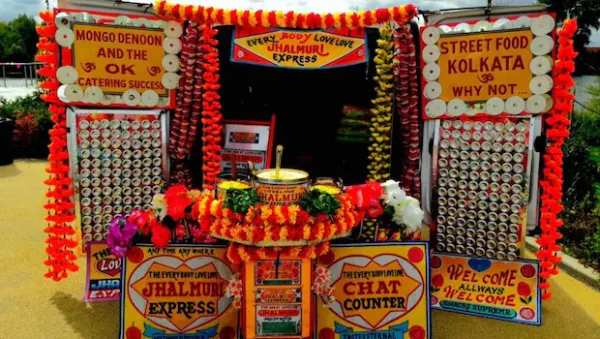
Photo:
Jhalmuri isn’t just food, it’s a feeling. It’s what you eat while watching the sunset by the river, chatting with friends, or rushing between errands. It’s messy but so full of character, and that’s its real charm.