A surge in lethal accidents will be debated in parliament this week as shocking figures show people in less well-off parts of the country are much more likely to suffer a premature death. The latest analysis by the Royal Society for the Prevention of Accidents uncovered a jump in fatalities. It found 23,270 people lost their lives in accidents in 2023 - an increase of 9% in one year. Accidents resulted in nearly 900,000 people being admitted to the hospital that year. Nearly half of accidental deaths were the result of falls (48%), and 27% were caused by poisoning. Scotland had the highest rate of preventable deaths (51.34 per 100,000 people), followed by Wales (44.25) and the North East (43.56). This compares with just 28.68 in the South East and 19.51 in London. Matilda Smith, who led the research, said: "Falls are the biggest cause of accidental death and accident-related hospital admissions, particularly among older people, and they are increasing rapidly. At the same time, accidental poisonings, often linked to drugs and alcohol, are rising sharply, especially amongst working-age adults and men."
The charity claims accidents are the "leading cause of preventable death under 40" and result in seven million A&E visits, cost the NHS at least £6billion. A key worry is that poorer people are often at the greatest risk of accidents. Ms Smith said: "What's particularly concerning is the role of inequality. People living in more deprived areas face significantly higher risks; with people in Scotland, Wales and the North East being twice as likely to die in an accident than in London. We know that by investing in our infrastructure and our communities, we can prevent accidents - keeping people safe from harm and saving lives - but clearly not enough is reaching through to communities most in need and at risk."
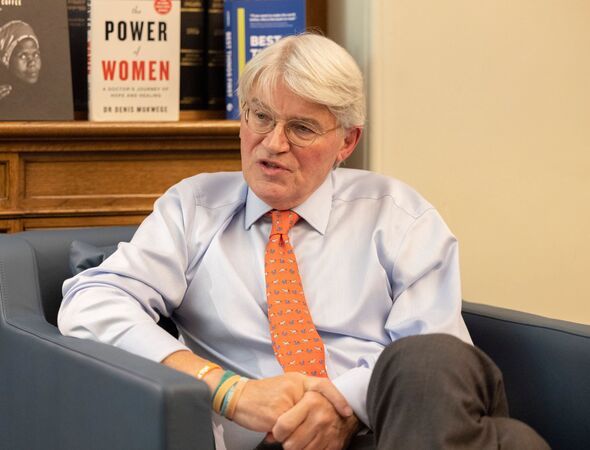
Sir Andrew Mitchell, the former Deputy Foreign Secretary, has secured a Westminster Hall debate to urge MPs to consider introducing a "national strategy on accident prevention".
He is expected to warn of a "silent and spiralling crisis", saying: "We have the example of other countries such as Australia and Finland where coordinated government accident prevention strategies are already in place... We should not accept a situation in which tens of thousands of lives are lost each year to preventable accidents. We should not accept a fragmented system when lives depend on coordination. And we should not accept avoidable suffering when the knowledge, tools, and capacity to prevent it already exist."
In 2023, 7% of avoidable deaths involved transport, while 1% was caused by "accidental drowning and submersion" and a further 1% was the result of "exposure to smoke, fire and flames".
A Government spokesperson said: "The Government recognises the importance of prevention in reducing harm, protecting lives and easing pressure on public services. Through our record investment and modernisation, this government is rebuilding the NHS so it's there for everyone when they need it, and we're rolling out a range of preventative measures to tackle health inequalities and stop health problems at source. Alongside this, the work of the Health and Safety Executive is an example of where accident prevention is working. It is a legal requirement for businesses to report any workplace accidents to HSE to identify risks and prevent future ones from happening."