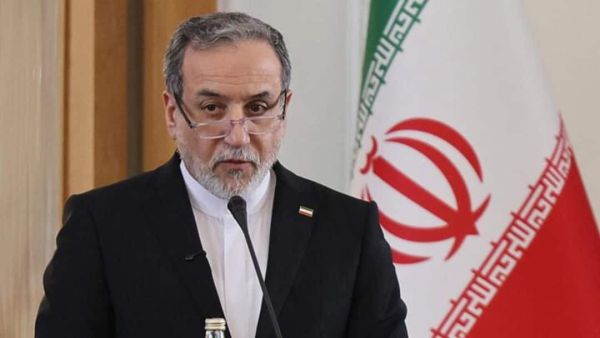
Iran has offered to reopen the Strait of Hormuz without addressing its nuclear programme, according to a report by the Associated Press. The proposal comes as tensions with the United States persist following stalled negotiations, even as Tehran steps up diplomatic engagement with Russia. The proposal comes as talks between Tehran and Washington remain stalled, with the nuclear issue still unresolved.
Iranian Foreign Minister Abbas Araghchi blamed “excessive” US demands for the breakdown of recent negotiations, despite what he described as initial progress. According to Iranian state media, he said Washington’s approach prevented talks from achieving their intended outcomes.
Araghchi stressed that ensuring safe passage through the Strait of Hormuz is a matter of global importance, given its role as a key artery for international oil shipments. However, the wider dispute over Iran’s nuclear programme remains unresolved, with both sides continuing to signal firm positions amid ongoing geopolitical tensions.
Maritime traffic through the strait continues to operate at significantly reduced levels. Data cited by Reuters showed that only seven vessels, mainly dry bulk carriers, transited the route in the past 24 hours. Tracking data from Kpler and satellite analysis by SynMax indicate that activity remains far below the pre-conflict average of around 140 daily passages recorded before tensions escalated on February 28.
Meanwhile, Araghchi arrived in Russia for high-level meetings, including with President Vladimir Putin, underscoring Tehran’s parallel diplomatic track.
According to Al Jazeera reports, Iran is seeking stronger military and political backing from Moscow, particularly as its air defence capabilities remain limited and Tehran looks to Russia for support.
The reports further said Russia’s position as a permanent member of the UN Security Council makes it a key ally, noting that Moscow recently vetoed a Bahrain-US resolution against Iran. Military cooperation between the two countries, they added, dates back to the years following the 1979 Islamic Revolution.