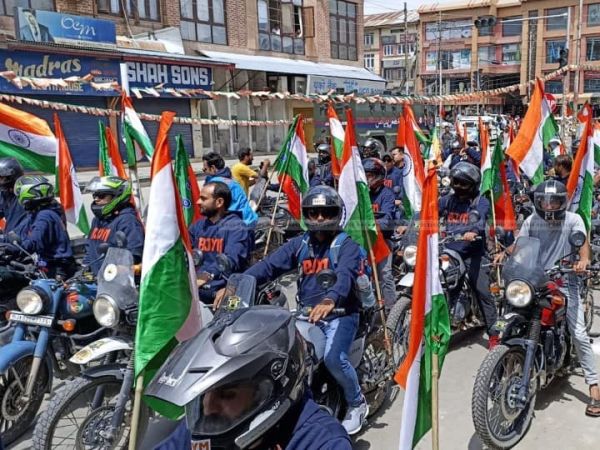
Restrictions on motorcycle movement will be enforced in the run-up to polling and on the day of voting to ensure a free, fair and peaceful electoral process. The curbs include a ban on motorbike rallies and group riding from two days before polling as well as on polling day. The move follows a court order aimed at maintaining law and order, while allowing limited exemptions for essential activities, emergency situations and voters travelling to polling stations under specified conditions.
Important Update on Motorcycle Riding & Rallies
— CEO West Bengal (@CEOWestBengal) April 27, 2026
To ensure a free, fair, and peaceful environment for all citizens, strict restrictions on motorcycle movement is in effect from 2 days before poll day & also on the day of Poll.#WBLA2026 @ECISVEEP@SpokespersonECI@PIBKolkata pic.twitter.com/Qy1zbB1XC2
A division bench of the Calcutta High Court on Monday modified an earlier single bench directive concerning restrictions on motorcycle use during the election period. The bench, led by Justice Shampa Sarkar, added a specific prohibition on motorbike rallies and group riding.
The revised order states that no such activity will be permitted from two days prior to polling and on the polling day itself, scheduled for April 29. The rest of the earlier directions issued by Justice Krishna Rao remain unchanged.
Under the original order, restrictions on pillion riding will come into effect 12 hours before polling. However, exceptions have been made for essential situations, including medical emergencies, family functions and school-related travel.
Additionally, family pillion riding is allowed between 6 am and 6 pm on polling day for the purpose of voting and other necessary activities. The court has also clarified that exemptions will apply to ride-hailing services, food delivery personnel and other essential service providers.
Office-goers using motorcycles with valid identification are also exempt from the restrictions. The measures are intended to prevent unlawful gatherings and ensure smooth conduct of polls without disruption.
The restrictions were initially challenged following directions linked to the Election Commission of India, which had imposed curbs to maintain electoral integrity. With the latest modification, authorities now have clearer guidelines on enforcing the restrictions while balancing essential movement needs.