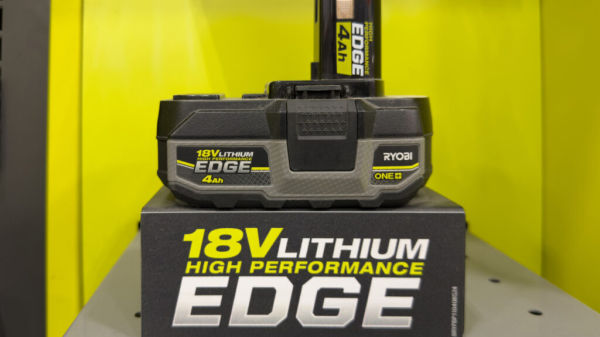
Ranked among the best power tool brands, Ryobi is a go-to choice for both frequent DIYers and homeowners in search of budget-friendly tools. Ryobi tools, signified by their bright green-yellow colors, are fueled by rechargeable batteries, like the 18V ONE+ battery line, which can power over 300 Ryobi power tools like drills, string trimmers, dry vacuums, and other Ryobi home improvement products you didn’t realize existed.
Ryobi’s interchangeable batteries might offer many perks, but they’re still prone to some of the most common problems with power tool batteries. One of the most common is running down quickly. Nothing ruins the flow of a DIY project like having a power tool suddenly stop mid-project. While there are a multitude of reasons your Ryobi battery doesn’t last long enough, according to Ryobi’s websiteone you’ll probably want to consider is the battery type.
Your power tools might be part of the 18V ONE+ ecosystem, but that doesn’t mean you should use the same battery on all of them. This is because some tools, such as the Ryobi 18V ONE+ Self-Propelled Mowerrequire more power than low-power tools like cordless drills and lights. This means that if you use a low-capacity battery to power heavy-duty tools, the battery’s capacity will drain quickly.
Find the right battery for your Ryobi tool
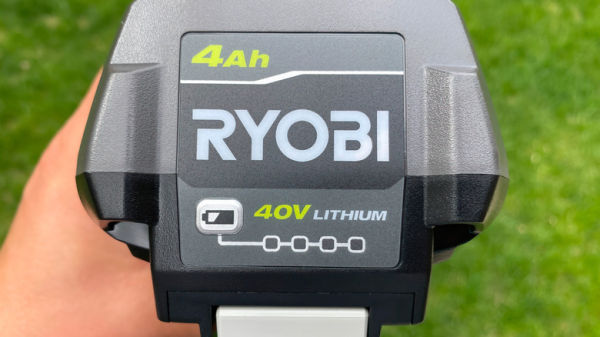
Your battery’s Amp Hour (Ah) rating is one of the things you should consider when buying power tool batteries, as it’s quite important. If you check Ryobi’s 18V ONE+ batteries on any online storefront, you’ll notice that they have 2Ah, 4Ah, 5Ah, 8Ah, and 12Ah ratings alongside the voltage. This rating refers to the amount of charge a battery can store. So, a higher AH on your power tool battery actually means you can run a tool longer and also get more power.
Smaller 18V Ryobi batteries, say, 2Ah to 4Ah, are lighter, easier to handle, and can deliver those amps for a few hours. These traits always make them ideal for quick jobs and compact cordless tools such as electric screwdrivers and drills. Given that these batteries are interchangeable, you might be tempted to use them to run heavy-duty tools that usually see extended periods of continuous usage. Before you try a smaller battery on a Ryobi circular saw or orbital sander, you should know that this is a common mistake that can ruin your battery. In addition to draining much faster under heavy loads, the battery will probably overheat, rendering it unusable sooner than expected.
How to protect your Ryobi battery from cutting out during use
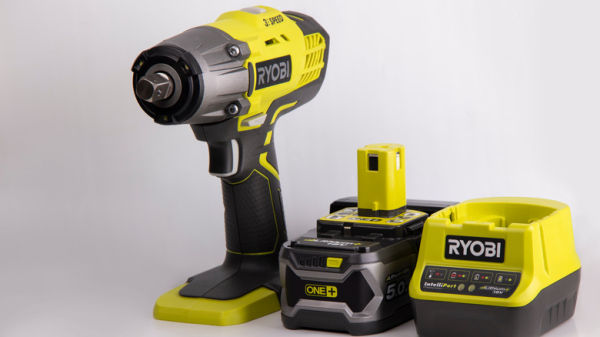
To help preserve the life of your Ryobi batteries, it’s important that you know which kind of battery should snap onto which kinds of tools. The best way to do so is to check the product packaging or the item’s user manual.You’ll also want to make sure that the battery and tool terminals are free of dirt and debris. After all, if the contacts are covered in dirt and grime, your tool’s performance will be affected, and the battery may fail to charge. To clean those terminals on your Ryobi battery, use a dry cloth or compressed air to get rid of any residue or debris present.
Where you store your power tool batteries matters, too. Ryobi batteries are built tough, but they’re not invulnerable. Extreme temperature changes can affect their ability to hold a charge, which is why the safest place to store batteries is not always the garage or store. The right way to store your batteries is in an indoor closet. Just make sure the battery is neither fully charged nor depleted, as this can affect its longevity.
Your battery will naturally generate heat when it is in use. However, if you push your power tool and its battery too hard, or expose them to high temperatures for too long, they will become unbearably hot. When this happens, the tool will shut down mid-job, and in the worst-case scenario, the battery might ignite a fire due to thermal runaway.