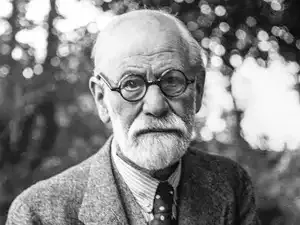
Quote of the Day: A powerful Quote of the Day often reveals uncomfortable truths about society and human behaviour. Some quotes inspire hope, while others encourage people to question the values they follow in everyday life. Among the most thought-provoking observations on success, ambition and human nature is a statement by Sigmund Freud, one of the most influential intellectual figures of the modern era.
Freud spent much of his life studying the human mind, emotions and unconscious desires. His ideas transformed psychology and changed the way people understand identity, relationships and behaviour. Even today, many of his observations continue to feel strikingly relevant in a world where wealth, fame and social status are often treated as measures of personal worth.
The Quote of the Day by Sigmund Freud reads:
"It is impossible to escape the impression that people commonly use false standards of measurement — that they seek power, success and wealth for themselves and admire them in others, and that they underestimate what is of true value in life.”
Sigmund Freud was born on May 6, 1856, in Freiberg, Moravia, then part of the Austrian Empire and now known as Příbor in the Czech Republic. He passed away on September 23, 1939, in London, England. Widely recognized as the founder of psychoanalysis, Freud became one of the most influential thinkers in modern psychology.
His father, Jakob Freud, worked as a Jewish wool merchant, while his mother, Amalie Nathansohn Freud, was much younger than her husband and shared a particularly close bond with her son. Freud’s childhood was shaped by financial struggles and frequent relocation. In 1859, the family moved from Moravia to Leipzig before eventually settling in Vienna, the city where Freud spent most of his life until the Nazi takeover of Austria forced him to flee into exile, as per information taken from Britannica.
Freud attended the Sperl Gymnasium and completed his studies there in 1873. A public reading of works by Johann Wolfgang von Goethe reportedly inspired him to pursue medicine at the University of Vienna. During his time at the university, he trained under physiologist Ernst Wilhelm von Brücke, whose scientific and materialist approach greatly influenced Freud’s thinking. Later, while completing clinical work at Vienna’s General Hospital, Freud studied with prominent physicians Theodor Meynert and Hermann Nothnagel. By 1885, he had earned recognition as a lecturer in neuropathology following notable research on the brain’s medulla.
Freud’s intellectual direction changed significantly after studying in Paris with neurologist Jean-Martin Charcot at the famous Salpêtrière Hospital. Charcot’s experiments involving hysteria convinced Freud that many mental disorders originated from psychological causes rather than purely physical conditions.
After returning to Vienna in 1886, Freud began developing the ideas that would later form psychoanalysis. Working alongside physician Josef Breuer, he explored the therapeutic value of encouraging patients to discuss their thoughts and emotions openly, a method later known as “the talking cure.” Their collaborative work, Studies on Hysteria, is widely regarded as the starting point of psychoanalytic theory, as per information taken from Britannica.
Freud later refined the method of free association, in which patients were encouraged to speak without censorship in order to reveal hidden emotions and unconscious conflicts. He argued that suppressed desires and unresolved experiences from childhood strongly shaped adult personality and behavior. In his groundbreaking book The Interpretation of Dreams, Freud famously described dreams as “the royal road” to understanding the unconscious mind.
Over time, Freud introduced several concepts that became central to psychology and popular culture, including repression, defense mechanisms, the unconscious mind, the Oedipus complex, and the structural model of the psyche consisting of the id, ego, and superego. His theories extended beyond medicine and psychology, influencing literature, philosophy, religion, anthropology, and cultural criticism throughout the 20th century, as per information taken from Britannica.
Freud’s later years were overshadowed by political turmoil, illness, and growing hostility from the Nazi regime. His writings were publicly burned in Germany because psychoanalysis was condemned as a form of “Jewish science.” Following the annexation of Austria in 1938, Freud escaped to London with his family.
He died there in 1939 at the age of 83. Although many of his theories later faced criticism and debate, Freud’s impact on modern thought remained immense. Psychoanalysis transformed how people understood the human mind, personality, and emotional conflict. Terms such as “Freudian slip,” “repression,” and “the unconscious” entered everyday language, while his ideas continued to shape psychology, literature, philosophy, and cultural studies for generations.
The meaning behind Sigmund Freud’s quote is a criticism of the way society defines success and personal value. Freud believed that many people judge themselves and others based on external achievements such as wealth, social status, fame and power, while ignoring qualities that truly give life meaning, including emotional well-being, compassion, honesty, love and inner peace.
Through this quote, Freud suggests that society often follows “false standards of measurement.” In other words, people become so focused on material success and public admiration that they overlook deeper human values. Someone may appear successful on the outside yet still feel emotionally empty or dissatisfied within.
The quote also reflects Freud’s broader understanding of human behaviour. As the founder of psychoanalysis, he believed that unconscious desires and social pressures strongly influence the choices people make. Many individuals pursue recognition or status not because it brings genuine happiness, but because society teaches them to admire those things.
At its core, the quote serves as a reminder to rethink what truly matters in life. Freud encourages people to look beyond money, power and appearance and instead value emotional connection, self-awareness and personal fulfillment. Even decades after it was written, the quote remains relevant in a world where success is often measured by fame, wealth and social image rather than genuine human happiness.
Beyond today’s Quote of the Day, Freud left behind many statements that continue to provoke discussion:
"Unexpressed emotions will never die. They are buried alive and will come forth later in uglier ways.”
“We are never so defenseless against suffering as when we love.”
“Most people do not really want freedom, because freedom involves responsibility, and most people are frightened of responsibility.”
“Where does a thought go when it’s forgotten?”
“Everywhere I go I find a poet has been there before me.”
“In the depths of my heart I can’t help being convinced that my dear fellow-men, with a few exceptions, are worthless.”
Freud spent much of his life studying the human mind, emotions and unconscious desires. His ideas transformed psychology and changed the way people understand identity, relationships and behaviour. Even today, many of his observations continue to feel strikingly relevant in a world where wealth, fame and social status are often treated as measures of personal worth.
Quote of the Day Today May 11
The Quote of the Day by Sigmund Freud reads:
"It is impossible to escape the impression that people commonly use false standards of measurement — that they seek power, success and wealth for themselves and admire them in others, and that they underestimate what is of true value in life.”
Early Life and Education
Sigmund Freud was born on May 6, 1856, in Freiberg, Moravia, then part of the Austrian Empire and now known as Příbor in the Czech Republic. He passed away on September 23, 1939, in London, England. Widely recognized as the founder of psychoanalysis, Freud became one of the most influential thinkers in modern psychology.
His father, Jakob Freud, worked as a Jewish wool merchant, while his mother, Amalie Nathansohn Freud, was much younger than her husband and shared a particularly close bond with her son. Freud’s childhood was shaped by financial struggles and frequent relocation. In 1859, the family moved from Moravia to Leipzig before eventually settling in Vienna, the city where Freud spent most of his life until the Nazi takeover of Austria forced him to flee into exile, as per information taken from Britannica.
Freud attended the Sperl Gymnasium and completed his studies there in 1873. A public reading of works by Johann Wolfgang von Goethe reportedly inspired him to pursue medicine at the University of Vienna. During his time at the university, he trained under physiologist Ernst Wilhelm von Brücke, whose scientific and materialist approach greatly influenced Freud’s thinking. Later, while completing clinical work at Vienna’s General Hospital, Freud studied with prominent physicians Theodor Meynert and Hermann Nothnagel. By 1885, he had earned recognition as a lecturer in neuropathology following notable research on the brain’s medulla.
The Emergence of Psychoanalysis
Freud’s intellectual direction changed significantly after studying in Paris with neurologist Jean-Martin Charcot at the famous Salpêtrière Hospital. Charcot’s experiments involving hysteria convinced Freud that many mental disorders originated from psychological causes rather than purely physical conditions.After returning to Vienna in 1886, Freud began developing the ideas that would later form psychoanalysis. Working alongside physician Josef Breuer, he explored the therapeutic value of encouraging patients to discuss their thoughts and emotions openly, a method later known as “the talking cure.” Their collaborative work, Studies on Hysteria, is widely regarded as the starting point of psychoanalytic theory, as per information taken from Britannica.
Freud later refined the method of free association, in which patients were encouraged to speak without censorship in order to reveal hidden emotions and unconscious conflicts. He argued that suppressed desires and unresolved experiences from childhood strongly shaped adult personality and behavior. In his groundbreaking book The Interpretation of Dreams, Freud famously described dreams as “the royal road” to understanding the unconscious mind.
Over time, Freud introduced several concepts that became central to psychology and popular culture, including repression, defense mechanisms, the unconscious mind, the Oedipus complex, and the structural model of the psyche consisting of the id, ego, and superego. His theories extended beyond medicine and psychology, influencing literature, philosophy, religion, anthropology, and cultural criticism throughout the 20th century, as per information taken from Britannica.
Final Years and Lasting Influence
Freud’s later years were overshadowed by political turmoil, illness, and growing hostility from the Nazi regime. His writings were publicly burned in Germany because psychoanalysis was condemned as a form of “Jewish science.” Following the annexation of Austria in 1938, Freud escaped to London with his family.
He died there in 1939 at the age of 83. Although many of his theories later faced criticism and debate, Freud’s impact on modern thought remained immense. Psychoanalysis transformed how people understood the human mind, personality, and emotional conflict. Terms such as “Freudian slip,” “repression,” and “the unconscious” entered everyday language, while his ideas continued to shape psychology, literature, philosophy, and cultural studies for generations.
Meaning of the Quote of the Day
The meaning behind Sigmund Freud’s quote is a criticism of the way society defines success and personal value. Freud believed that many people judge themselves and others based on external achievements such as wealth, social status, fame and power, while ignoring qualities that truly give life meaning, including emotional well-being, compassion, honesty, love and inner peace.
Through this quote, Freud suggests that society often follows “false standards of measurement.” In other words, people become so focused on material success and public admiration that they overlook deeper human values. Someone may appear successful on the outside yet still feel emotionally empty or dissatisfied within.
The quote also reflects Freud’s broader understanding of human behaviour. As the founder of psychoanalysis, he believed that unconscious desires and social pressures strongly influence the choices people make. Many individuals pursue recognition or status not because it brings genuine happiness, but because society teaches them to admire those things.
At its core, the quote serves as a reminder to rethink what truly matters in life. Freud encourages people to look beyond money, power and appearance and instead value emotional connection, self-awareness and personal fulfillment. Even decades after it was written, the quote remains relevant in a world where success is often measured by fame, wealth and social image rather than genuine human happiness.
Other Iconic Quotes by Sigmund Freud
Beyond today’s Quote of the Day, Freud left behind many statements that continue to provoke discussion:
"Unexpressed emotions will never die. They are buried alive and will come forth later in uglier ways.”
“We are never so defenseless against suffering as when we love.”
“Most people do not really want freedom, because freedom involves responsibility, and most people are frightened of responsibility.”
“Where does a thought go when it’s forgotten?”
“Everywhere I go I find a poet has been there before me.”
“In the depths of my heart I can’t help being convinced that my dear fellow-men, with a few exceptions, are worthless.”