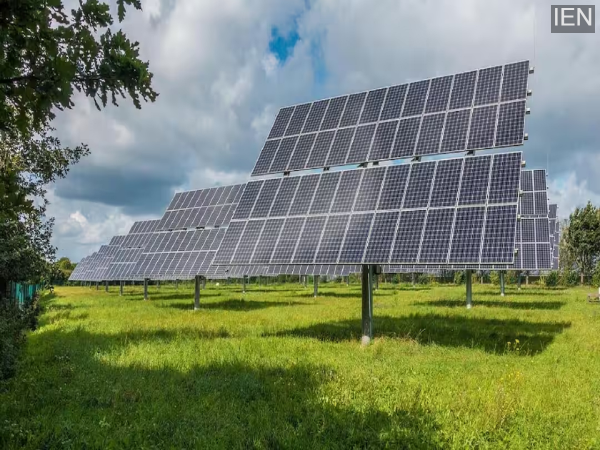
Solar Panels: Typically, a high-quality solar panel can function reliably for 25 to 30 years. Many companies even offer performance warranties of up to 25 years on their panels.
Solar Panels: Amidst rising electricity bills and growing environmental awareness, people are increasingly turning toward solar energy. From residential rooftops to large-scale industrial facilities, solar panels are being installed everywhere. However, before installing a solar system, the biggest question on people's minds is: exactly how long do solar panels last, and do they, too, have an expiration date?
In reality, a solar panel is not an item that suddenly ceases to function after a specific, fixed date. Its lifespan diminishes gradually, and over time, its capacity to generate electricity begins to decline. This is precisely why its operational life is measured based on its performance.
What Is the Average Lifespan of a Solar Panel?
Generally, a good solar panel can operate efficiently for 25 to 30 years. Many manufacturers provide performance warranties of up to 25 years on their panels. This does not imply that the panel will become completely useless after 25 years; rather, it signifies that after this period, its electricity-generating capacity may be lower than its initial output.
For instance, if a new panel initially generates electricity at 100% capacity, that same panel might operate at approximately 75% to 85% capacity after 25 years. In other words, it does not stop generating electricity entirely; instead, its efficiency gradually declines.
How Is the Expiration Date Determined?
The "expiration" of a solar panel is not akin to that of a food product. Its lifespan depends on various technical factors. Manufacturers determine a panel's estimated lifespan based on its quality, the materials used in its construction, environmental conditions, and performance test results.
Each year, a solar panel's capacity diminishes slightly—a phenomenon known as the
Degradation Rate. In most high-quality panels, this rate is approximately 0.5% per year. This means that the panel's power generation capacity declines slightly, year after year.
If a region experiences extreme heat, dust, heavy rainfall, or severe storms, this can impact the panel's lifespan. Conversely, proper installation and regular cleaning can significantly extend its operational life.
Do solar panels become useless after 30 years?
Not at all. Many solar panels continue to function even after 30 years. Although their efficiency may not remain at its original level, they can still generate a useful amount of electricity. Many older panels are still being utilized today in small homes, farmhouses, and rural areas.
In fact, the true strength of a solar panel lies in its longevity and low maintenance requirements. Once properly installed, it helps save on electricity costs for years on end.
What factors should you consider when purchasing solar panels?
If you are planning to install solar panels, do not base your decision solely on price. Opting for a panel from a reputable manufacturer, a long warranty, a low degradation rate, and robust build quality are absolutely essential. With the right choice, a solar panel can help reduce your electricity expenses for decades.