AI Generated Summary
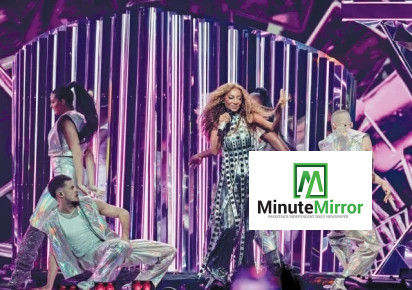
The Eurovision Song Contest 2026 officially began under growing political tension as the ongoing Gaza war continued to influence the international music event. Although Eurovision traditionally celebrates music, culture, and entertainment, this year’s competition opened with controversy, protests, and strong debate surrounding Israel’s participation.
The event started in Vienna with increased security across the city. Organizers prepared for demonstrations and political gatherings linked to the conflict in Gaza. As fans arrived to enjoy the performances, protesters gathered outside several locations to voice their opposition. Many demonstrators carried Palestinian flags and demanded Israel’s removal from the competition.
The situation also affected participation from several countries. Some broadcasters and artists chose to boycott the contest because of Israel’s inclusion. Their absence reduced the number of competing nations and created fresh discussion about whether politics should influence international entertainment events.
Inside the arena, the atmosphere remained tense during Israel’s appearance. While many audience members applauded and showed support, others reacted with boos and criticism. Consequently, social media platforms quickly filled with clips, reactions, and heated arguments about the event.
Despite the controversy, organizers insisted that Eurovision should remain focused on music and artistic expression. Officials attempted to maintain a festive environment inside the venue. However, the political debate continued to dominate headlines and online conversations throughout the opening days of the competition.
Security teams also increased precautions around the arena and nearby public areas. Authorities wanted to avoid clashes between protesters and attendees. Police officers closely monitored demonstrations as large crowds moved through the city during Eurovision week. Fortunately, officials managed to prevent major disturbances.
The Gaza war has already influenced several cultural and entertainment events around the world. Eurovision now joins the growing list of international platforms affected by global political tensions. Critics argued that allowing Israel to participate sends the wrong message during an ongoing humanitarian crisis. On the other hand, supporters claimed that music competitions should stay separate from political conflicts.
Artists and broadcasters from different countries also expressed divided opinions. Some defended the boycott movement, while others warned that excluding countries from cultural events could damage the spirit of international unity. Therefore, Eurovision once again became a stage for wider global debate rather than only musical competition.
Many fans expressed disappointment that political issues overshadowed performances and celebrations. Eurovision has long promoted themes of diversity, inclusion, and togetherness. However, this year’s opening highlighted how difficult it has become for major global events to avoid political realities.
As the competition continues, discussions surrounding Gaza, protests, and Israel’s participation are expected to remain part of the public conversation. Even before the final performances take place, Eurovision 2026 has already become one of the most politically charged editions in the contest’s history.
We welcome your contributions! Submit your blogs, opinion pieces, press releases, news story pitches, and news features to opinion@minutemirror.com.pk and minutemirrormail@gmail.com