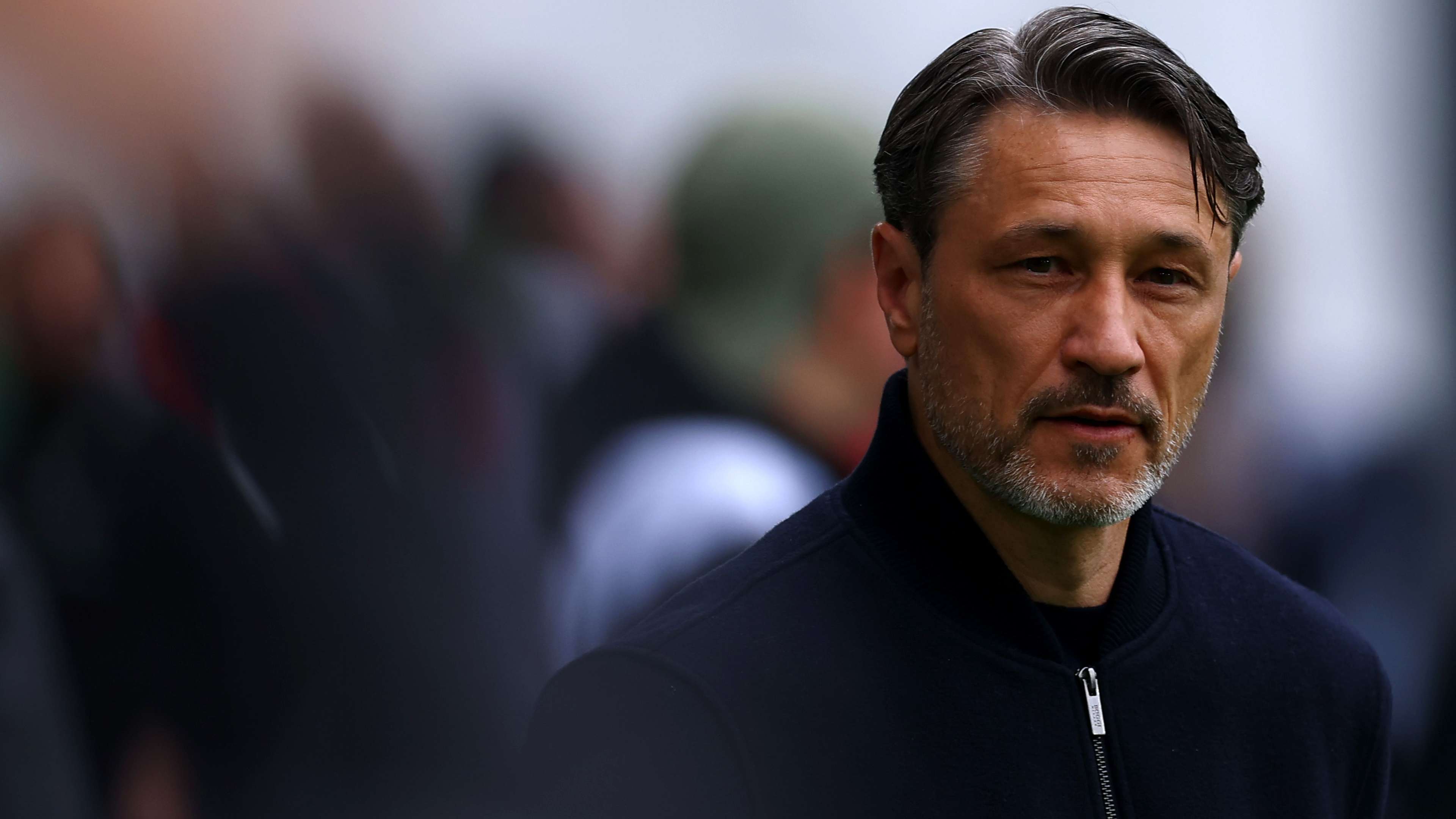
 Borussia Dortmund ended the Bundesliga season as a convincing runner-up, boasting the league’s best defensive record. Yet their European journey concluded with a costly early exit, as Managing Director Carsten Cramer acknowledged, and their DFB-Pokal campaign was cut short in the round of 16. Despite some positives, the season did not mark significant progress from the previous two years, leaving doubts about whether the foundation laid by Niko Kovac is strong enough to sustain the ‘new BVB’ vision.The club’s leadership has often repeated the mantra, “We must remember where we came from.” Contextually, Dortmund finished fifth in 2023-24 and fourth in 2024-25, reaching the Champions League final once and the quarterfinals the following year. Their domestic cup runs ended in the round of 16 and second round, respectively.Looking back over the eleven seasons since Jürgen Klopp’s departure, this campaign ranks as Dortmund’s third-best Bundesliga finish under Niko Kovac—their strongest in seven years. In eight of those eleven seasons, BVB scored more goals. Excluding the two benchmark seasons often cited by club officials, Dortmund finished second five times, third twice, and fourth once. These results underline the club’s consistent position as Germany’s financial and competitive number two—anything less would be below expectations.This season’s second-place finish—their sixth since 2015—realigns Dortmund with their ambitions. It neither overstates nor diminishes Kovac’s achievements. The 54-year-old coach led Dortmund to their best defensive record in a decade, matching Thomas Tuchel’s 2015-16 team, with a tally of 43 wins, 16 losses, and 13 draws in 72 competitive matches. Kovac has brought defensive order, fighting spirit, and maintained attacking efficiency, earning him deserved credit, especially considering the shortened preseason and the added challenge of the Club World Cup in the United States.Sporting Director Ole Book has confirmed that the club intends to build on this strong base next season. Still, questions linger over whether the current platform is sturdy enough to achieve Cramer’s vision for a rejuvenated BVB.The blueprint for Dortmund’s future is clear. Under Kovac, the club aims to establish a more distinctive footballing identity—one characterized by assertive attacking play, creative link-ups, and greater control in possession. To realise this, they are investing in young, dynamic players capable of injecting energy and technical flair, while also offering long-term transfer value.On paper, the plan looks promising, and supporters eagerly await Book’s first transfer window. Yet, examining Dortmund’s last 72 matches raises a crucial question: can Kovac—who is reportedly close to a second contract extension within a year—truly meet these expectations? To do so, he may have to transform his coaching philosophy. Known for his pragmatic and defensively rigid style, Kovac’s teams have often lacked attacking imagination, a trait that has persisted at Dortmund.The club’s leadership now demands evolution. With a solid defence already in place, the focus shifts to reigniting the attack. This has led to a strategic rethink, reversing Kovac’s earlier decision to sideline wingers adept at one-on-one play. However, this tactical shift will require Kovac to modify his structured ‘U-pass’ system. While effective in maintaining defensive shape, it has over-relied on crossing, a factor highlighted by Julian Ryerson’s 18 assists in just 15 appearances.This system has also exposed Dortmund’s weaknesses against elite opposition. In 16 matches versus Bayern, Leipzig, Stuttgart, Hoffenheim, Leverkusen, Man City, Inter, Tottenham, and Bergamo, they managed only four wins, suffered nine defeats, and conceded 28 goals. Such results underline a worrying trend—Dortmund’s struggles to compete with top-tier teams, often due to inconsistency and lack of resilience.Key gaps persist in the squad. Fullbacks like Ryerson and Daniel Svensson are solid but not world-class. The absence of a commanding defensive midfielder and strong on-field leadership remains a pressing issue. Even domestically, Dortmund’s performances have not always reflected their league position. Their expected points (xP) data indicates they earned 11 more points than their performances warranted, suggesting they would have narrowly qualified for the Champions League on goal difference. Much of this overperformance came from clinical finishing rather than sustained dominance.Therefore, finishing second should not be mistaken for genuine progress. That step must come next season—and it is up to Kovac to deliver it, better and differently than before.