Five nations are set to jointly host the European Championship when Euro 2028 arrives.
It may seem a long way off, but Euro 2028 will be here before you know it. Hard to believe it’s already been years since the delayed Euro 2020 tournament, isn’t it?
Germany served as the host for this year’s edition, while the previous tournament was staged across multiple European cities in a pan-continental format that allowed fans from all over the continent to enjoy the action.
The upcoming tournament will once again have multiple hosts, with the four nations of the United Kingdom joining hands with the Republic of Ireland. Their joint bid was uncontested, making them the automatic hosts for Euro 2028.
Ten stadiums have been selected across England, Wales, Scotland, Northern Ireland, and the Republic of Ireland to stage the matches. Here’s the complete list of confirmed venues:
England
Wembley Stadium
Tottenham Hotspur Stadium
The Etihad Stadium (to be officially referred to as the City of Manchester Stadium for the tournament)
Everton Stadium (expected to open in 2025)
Villa Park
St James’ Park (located in Newcastle – not to be confused with those in Exeter, Brackley, or Ardfield)
Northern Ireland
Casement Park (currently under construction)
Republic of Ireland
Aviva Stadium (which will be officially branded as Dublin Arena during the tournament)
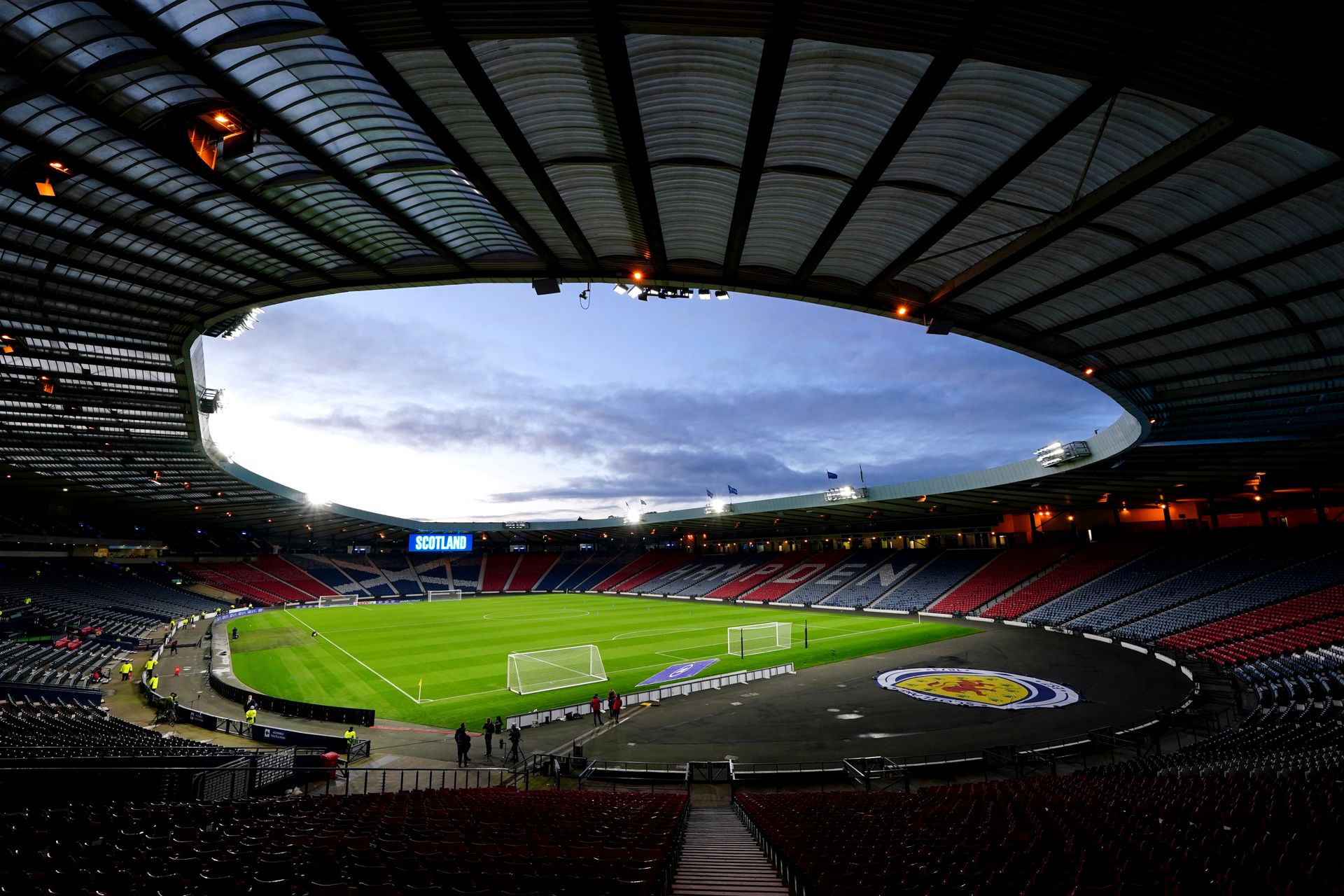
Scotland
Hampden Park
Wales
The Principality Stadium (officially named Millennium Stadium for the event)
While Wembley is expected to host both semi-finals and the final, further details on the match allocations are yet to be finalised.
It has been proposed that the opening match will take place at the Millennium Stadium in Cardiff.
In terms of match distribution, England will host 28 games. Scotland, Wales, and Ireland are each set to stage six, while Northern Ireland will host five fixtures.
This multi-nation approach has sparked some debate, as apart from Euro 2020, which had no single host, the European Championship has never been co-hosted by more than two nations.
UEFA rules guarantee automatic qualification for a maximum of two host countries, meaning a compromise will need to be reached regarding qualification for the remaining hosts.
As per current plans, England, Ireland, Northern Ireland, Scotland, and Wales will all participate in the qualifying rounds, with two tournament places reserved for hosts if required. However, the criteria for allocating those slots—should more than three fail to qualify—has not been finalised. It could depend on qualifying performance, recent results, or FIFA rankings.
Besides the UK and Ireland’s joint bid, UEFA had initially received proposals from Russia and Turkey. Russia was deemed ineligible due to its ongoing suspension from UEFA competitions following the invasion of Ukraine.
Turkey withdrew just before the submission deadline, opting instead to pursue a joint bid with Italy for Euro 2032. Consequently, the UK and Ireland’s proposal stood unopposed and was unanimously approved.
The tournament is tentatively scheduled to begin on Friday, June 9, and conclude on Sunday, July 9, 2028.
The qualifying group stage will start in March 2027 and finish in November 2027 under UEFA’s revised format, with play-offs slated for March 2028.
Euro 2028 will continue with the familiar 24-team format used in the last three editions of the competition.
Historically, only a few European Championships have been co-hosted. Belgium and the Netherlands started the trend in 2000, followed by Austria and Switzerland in 2008, and Poland and Ukraine in 2012. However, Euro 2028 marks the first time five nations will jointly stage the tournament.