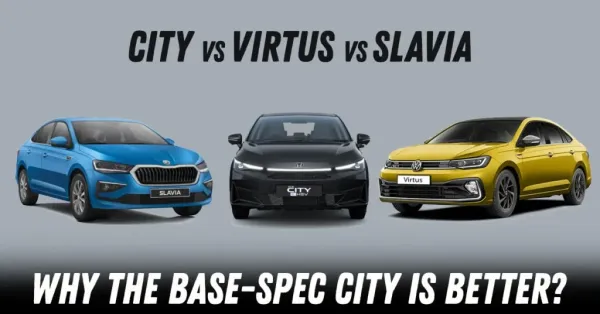
Honda has launched the much-awaited facelift of the City with an ex-showroom starting price of Rs 11.99 lakh. In India, it competes with the Hyundai Verna, Volkswagen Virtus and Skoda Slavia. The Virtus and Slavia share a lot of components within each other and are both in good demand. There is a noticeable difference in the starting prices of these models. The Slavia begins at Rs 9.99 lakh while the Virtus starts at Rs 10.50 lakh, both ex-showroom. These mark price premiums of Rs 2 lakh and Rs 1.5 lakh, respectively. The base-spec City facelift comes better-equipped than the Virtus and Slavia.
The City facelift comes in four broad trims- SV, V, ZX and ZX+. SV, the base trim, is only available with a manual transmission. The base variant of Virtus is called Comfortline and that of the Slavia is called the ‘ Classic’. Let’s see some features that the Honda City SV gets but the Virtus Comfortline and Slavia Classic do not.
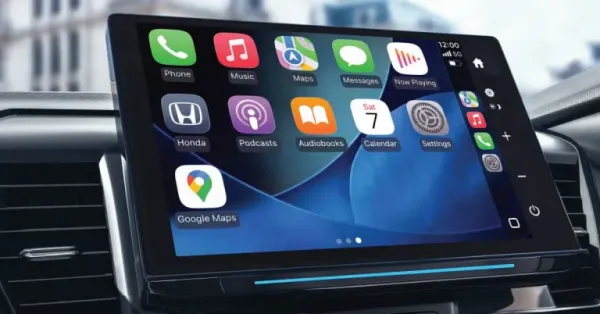
Honda offers an 8-inch touchscreen infotainment system on the City SV. This is larger than the 7-inch touchscreen infotainment unit that the Virtus and Slavia come with. The new City feels slightly more modern and upmarket in this regard.
Wireless smartphone connectivity is a highly useful feature. It makes connections seamless and fast, without having to rely on a cable. This also avoids phones from the risks of overcharging Wireless Android Auto and Apple Carplay are becoming increasingly popular for the same reason. The base variants of Virtus and Slavia do not offer wireless Carplay or Auto. The City SV, however, offers this feature even on the entry-spec trim.
The base variant of the City comes with a rear parking camera while those of the Virtus and Slavia lack one. The City’s camera system provides normal, wide and top-down viewing modes. These can be quite useful in real-life driving conditions. The Virtus and the Slavia come with just rear parking sensors.
The base-spec City comes equipped with a fully automatic climate control system. Automatic AC units improve convenience and comfort. The base variants of the Virtus and Slavia do not offer this feature and come with manual AC units instead.
Base variants of the Slavia and Virtus do not come with rear AC vents. The facelifted City SV, on the other hand, has this feature. It can be really useful in India’s hot, humit weather.
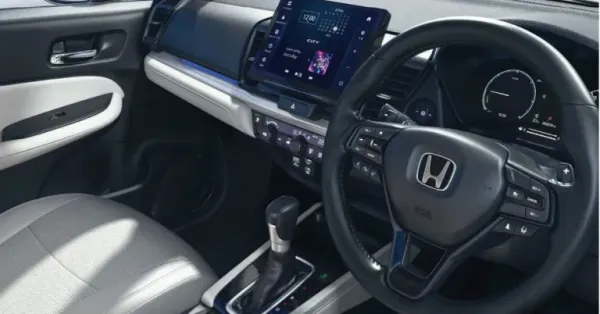
Another feature that you get on the City SV and not on the Virtus Comfortline or Slavia Classic is Push Button Start/Stop and keyless entry. Entry-spec variants of the Volkswagen and Skoda come with conventional key-based setups.
Power-folding and power adjustable Outside Rear View Mirrors (ORVMs) improve convenience while parking and moving through tight traffic. The Virtus Comfortline and Slavia Classic miss this feature. The City, however, offers it even on the entry-spec variant.
Tyre Pressure Monitoring systems are now being offered in most car models. The higher trims of Virtus and Slavia come equipped with this feature. The base-spec trims, however, lack it. The City SV offers a tyre deflation warning system even on the base variant. It warns drivers about low tyre pressures and can be of great help.
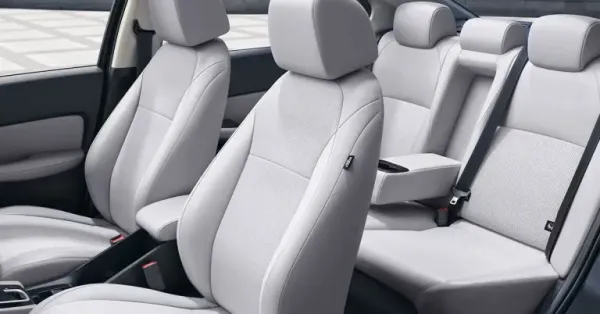
The base-spec City comes with a front centre armrest for added comfort. It also features integrated storage. The Skoda and Volkswagen sedans do not get this feature on the entry-level variants.
Rear Armrest With CupHolders
Likewise, the City SV gets a rear centre armrest with integrated cupholders- very useful in daily usage. The base-spec Virtus and Slavia do not get this feature.
Considering our growing dependence on digital gadgets, USB ports can be useful additions in cars. The City SV gets two type-A USB charging points at the front. Additionally, it gets two type-C ports at the rear as well. The base-spec Virtus and Slavia, on the other hand, come with a 12V charging socket alone. USB-C ports are only available on higher trims.
Another detail- the City SV comes equipped with a shark fin antenna while the Virtus Comfortline and Slavia Classic feature regular antennas. A shark fin unit keeps the design clean and aerodynamic.
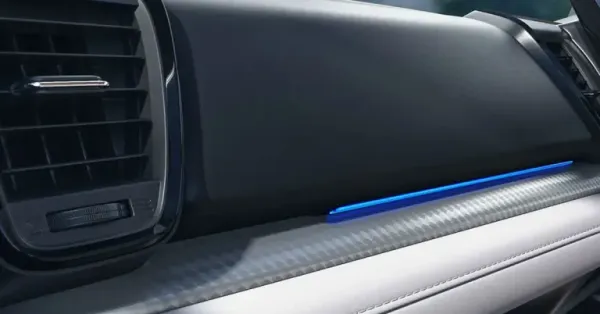
Even the base-spec City comes with ambient lighting strips on the centre console pocket, elevating the overall experience inside,. Higher trims offer more extensive lighting packages. Base variants of Virtus and Slavia miss out on ambient lights completely, while higher variants offer the feature.
In short, the base-spec City offers more features than the base variants of the Slavia and Virtus. This makes the cabin experience significantly better. Another interesting detail- the City’s 1.5L naturally aspirated petrol engine makes 121hp and 145Nm. That’s more power than the 113hp and 178Nm produced by the Skoda-Volkswagen duo’s 1.0L TSI turbocharged petrol engine. The Honda engine also feels more refined in comparison, and has a linear power delivery.
Now, if you are looking to buy an automatic, here’s a quick comparison. The City facelift offers automatic from the V trim onwards. The equipment levels on this trim are fairly good. On the Virtus, the torque converter automatic transmission is available from the Highline trim onwards and the Slavia has it from the Signature trim onwards. The Slavia and Virtus come with torque converter automatic units while the City gets a CVT.
When we compare these three, it is just the City V that comes with Honda Sensing ADAS suite. It consists of features like Collision Mitigation Braking System (CMBS), Adaptive Cruise Control, Lane Keeping Assist System (LKAS), Lead Car Departure Notification System, Road Departure Mitigation System and Auto High Beam. The Skoda and Volkswagen do not offer ADAS even on higher trims. Most other feature remain comparable between the three.