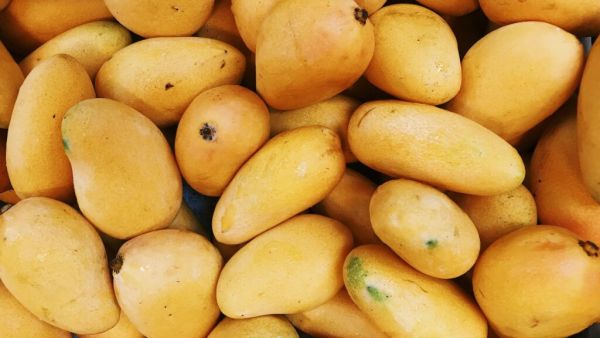
It is that time of the year when markets are filled with bright, golden mangoes, and every fruit stall seems impossible to ignore. From early-season varieties to the much-awaited Alphonso and Dasheri, mango lovers are already stocking up at home. But even as the excitement peaks, many people make one common mistake while storing them. In an attempt to keep them fresh for longer, mangoes often go straight into the refrigerator. However, this habit may actually do more harm than good. Let’s find out why.
Photo: Unsplash
Mangoes are tropical fruits and naturally ripen best at room temperature. When placed in the refrigerator too early, the cold temperature can slow down or even interrupt the ripening process. As a result, the fruit may remain hard from the inside or develop uneven texture.
Part of a mango’s sweetness and aroma develops during natural ripening. Keeping unripe mangoes in very cold conditions may dull their flavor and reduce the rich fragrance that ripe mangoes are known for.
Some people notice that refrigerated unripe mangoes become grainy or mealy instead of soft and juicy. This happens because cold temperatures may interfere with the fruit’s normal ripening chemistry.
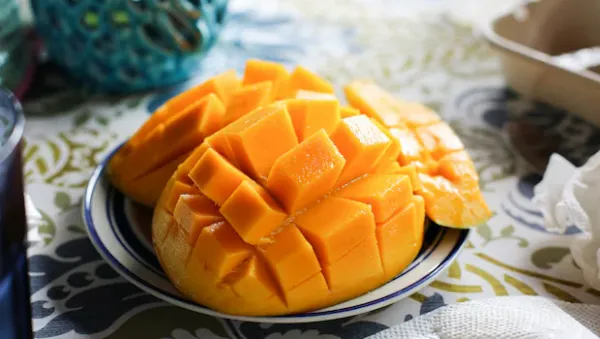
Once mangoes become soft to touch and develop a sweet aroma near the stem, they can be moved to the refrigerator. Chilling ripe mangoes helps slow further ripening and may keep them fresh for a few extra days.
If your mangoes are still raw, the way you store them can make a noticeable difference in how evenly and quickly they ripen.
Instead of refrigerating them, try these simple methods:
These small changes can help you get sweeter, juicier mangoes without affecting their natural flavor and texture.