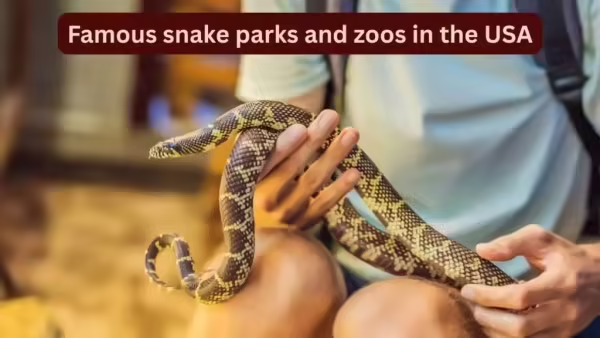
If you’re fascinated by snakes, reptiles, and wildlife conservation, the United States offers some incredible reptile-focused attractions. From world-famous serpentariums to massive reptile zoos housing cobras, pythons, rattlesnakes, and rare venomous species, these destinations provide a unique look into the world of reptiles while supporting education and conservation efforts.
One of the world’s largest reptile zoos, featuring hundreds of reptile species including cobras, pythons, and boa constrictors. It has been recognized as the world’s largest reptile zoo.
How to reach:
Known internationally for its venom extraction program that contributes to antivenom production and medical research. It’s a must-visit for anyone interested in snake science and conservation.
How to reach:
A legendary reptile attraction featuring pythons, anacondas, venomous snakes, and live snake-handling demonstrations.
How to reach:
Founded by famed herpetologist Ross Allen, this historic serpentarium is famous for venom research and houses both native and exotic snake species.
How to reach:
One of America’s leading reptile rescue organizations, home to rescued rattlesnakes, pythons, king snakes, and many other reptiles.
How to reach:
A renowned reptile zoo featuring beautifully designed habitats, venomous snakes, crocodilians, and even Komodo dragons.
How to reach:
Popular on social media for its interactive reptile experiences, where visitors can safely interact with selected non-venomous reptiles.
How to reach:
Home to more than 100 exotic reptiles, amphibians, and arachnids from around the world. It’s one of Southern California’s premier reptile attractions.
How to reach:
While not exclusively a snake park, its rainforest and biodiversity exhibits feature impressive collections of exotic snakes and tropical reptiles.
How to reach:
One of the largest natural-habitat zoos in the world, featuring one of the southeastern United States’ most extensive reptile collections.
How to reach:
The center houses more than 70 species of reptiles and amphibians, including pythons, rattlesnakes, turtles, and rare amphibians. It’s one of the finest reptile exhibits in the country.
How to reach:
These destinations offer some of the best opportunities in North America to see rare snakes, learn about venom research, observe conservation efforts, and appreciate the ecological importance of reptiles.