By Alex Mott · 4 June 2026
As the 2026 FIFA World Cup approaches, set to unfold across the United States, Canada, and Mexico, anticipation is already soaring for what promises to be the planet’s most celebrated sporting spectacle.
Factors like form, squad depth, historical success, and star power all influence predictions — but which nations truly stand out as the prime contenders?
Here’s a closer look at the leading favourites for World Cup glory.
Spain enter the tournament as the preferred choice of many pundits after lifting the Euro 2024 title and sustaining an exceptional unbeaten streak through the qualifiers. Their midfield, anchored by Rodri and Pedri, is often hailed as the finest in the world, while teenage sensation Lamine Yamal has evolved into a lethal attacking force. With tactical precision and enviable squad depth, La Roja appear poised for another run at the summit, reminiscent of their 2010 triumph.
France, finalists in the last two World Cups, continue to be a powerhouse of talent generation. Kylian Mbappé remains their standout performer, flanked by Ousmane Dembélé, William Saliba, and Michael Olise. Under Didier Deschamps, the team exudes a balance of pace, power, and experience. Their flawless qualifying campaign reflected their consistency, and having previously won in 1998 and 2018, Les Bleus have every reason to believe a third star could soon be added to their iconic jersey.
England’s latest 'golden generation' could finally end the nation’s decades-long wait for a major title. After finishing as runners-up at Euro 2024, the Three Lions dominated their qualifying group, winning comfortably and conceding no goals. Harry Kane continues to be their talisman, backed by the creativity of Jude Bellingham, Bukayo Saka, and Morgan Rogers. With their only World Cup win dating back to 1966, this current squad has reignited belief among English fans.
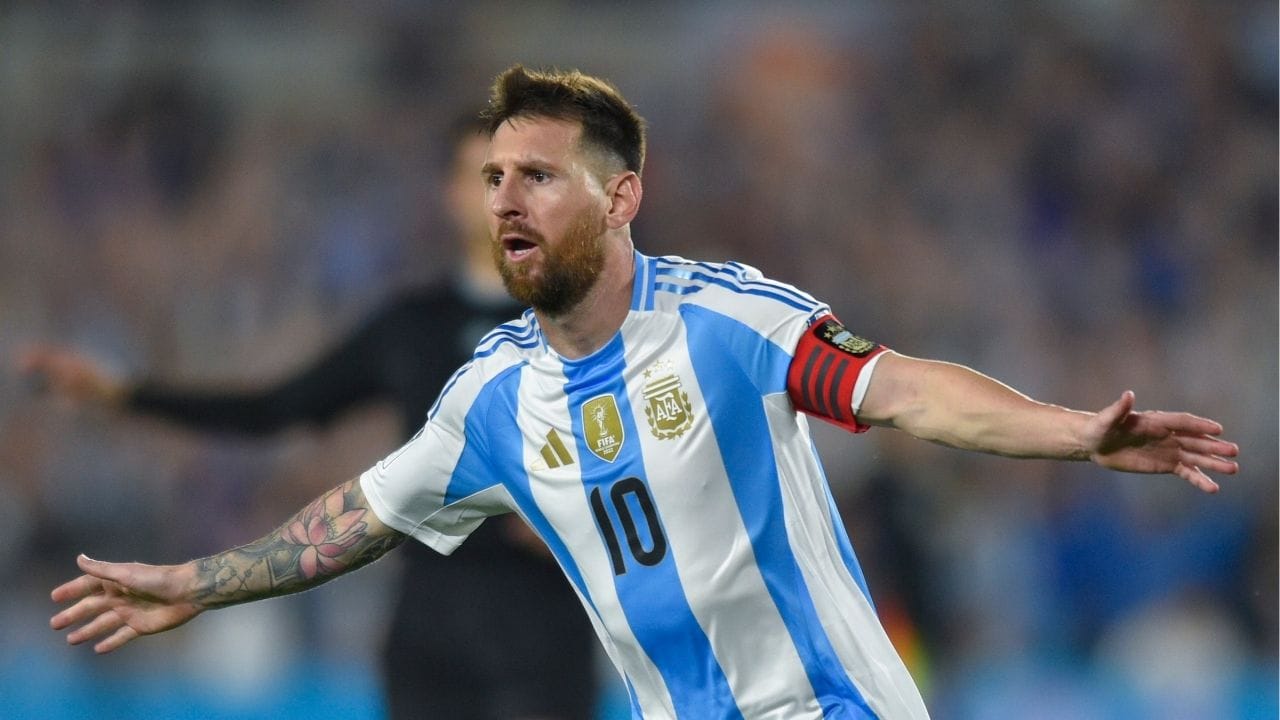
Defending champions Argentina retain the winning mindset and quality that propelled them to glory in Qatar in 2022. Although Lionel Messi is nearing the conclusion of his international journey, the Albiceleste remain formidable with Julián Álvarez, Enzo Fernández, and Alexis Mac Allister at the core. Achieving consecutive World Cup victories is exceedingly rare — Brazil last did it in 1962 — but Argentina’s mentality and recent Copa América success firmly position them among the elite contenders.
Brazil, the five-time World Cup winners, invariably feature among the favourites. Under Carlo Ancelotti’s stewardship, the Seleção have become more defensively disciplined while maintaining their hallmark attacking flair. Vinícius Júnior and Raphinha provide dynamism on the flanks, and if Neymar is fully fit, he could once again inspire the team. Despite their last triumph coming in 2002, Brazil’s legacy and attacking depth ensure they remain a major threat.
Portugal boast one of the most technically gifted midfields in world football, with Bernardo Silva, Bruno Fernandes, and Vitinha orchestrating play. Cristiano Ronaldo, likely appearing in his final World Cup, continues to be a symbol of leadership. After an impressive UEFA Nations League run and dominant qualification campaign, Portugal’s blend of experience and technical brilliance might finally propel them to their first-ever World Cup victory.
Germany, four-time world champions, always demand respect despite recent struggles in major tournaments. A promising new generation — featuring Jamal Musiala, Florian Wirtz, and Kai Havertz — brings fresh creativity and unpredictability. Defensive frailties remain a concern, but the return of veteran goalkeeper Manuel Neuer provides much-needed stability. If their young talents deliver, Germany could once again mount a serious challenge.
The Netherlands continue to nurture technically refined footballers and have been solid in recent international outings. Captain Virgil van Dijk anchors the defence, while Donyell Malen and Tijjani Reijnders inject energy and flair. Having reached three World Cup finals without lifting the trophy, the Oranje will view 2026 as another golden chance to finally end their long-standing curse.
Norway are emerging as intriguing outsiders for this tournament. Fronted by Erling Haaland, one of the world’s most prolific goal scorers, and guided by midfield maestro Martin Ødegaard, they now possess the quality to compete with the elite. After missing out on major tournaments for years, the Norwegians, under the leadership of coach Ståle Solbakken — who was part of the 1998 World Cup squad — could surprise many with their attacking intent.
Belgium’s celebrated golden generation may be past its peak, yet the Red Devils remain capable of producing top-level football. Jeremy Doku’s pace and creativity inject new life into the side, while Kevin De Bruyne continues to orchestrate play with his trademark vision. Having reached the semi-finals in 2018, Belgium’s experience and technical ability ensure they remain a team that can upset stronger opponents on their day.