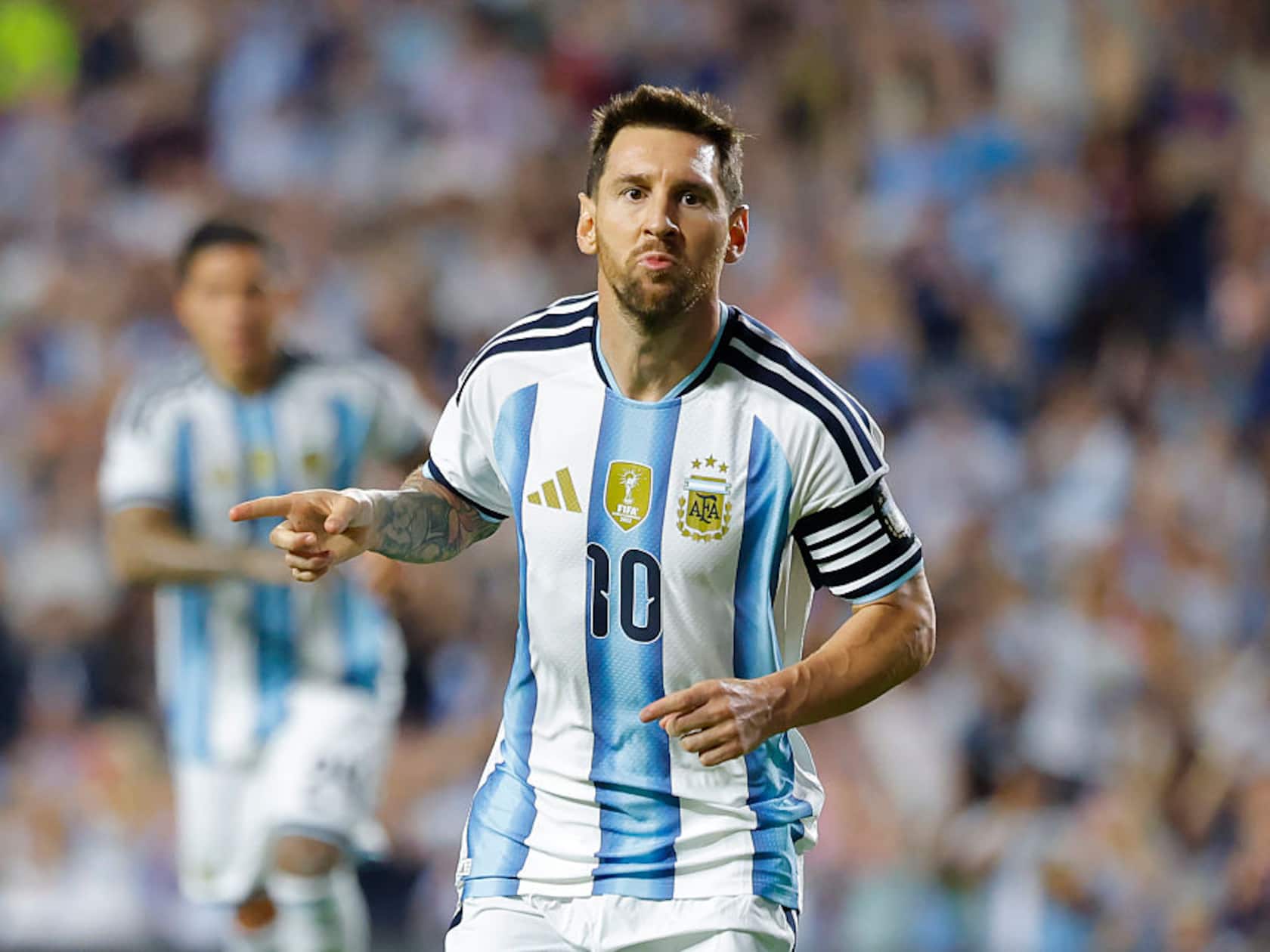
The reigning world champions, Argentina, are set to defend their 2022 title beginning on June 16, when they take on Algeria in Kansas City.
Tuesday’s (June 9) 3-0 victory over Iceland confirmed that the Albiceleste will start the World Cup as the top-ranked team in the FIFA standings.
However, history suggests that being number one is not always a positive sign.
Not once since the FIFA ranking was introduced in 1993 has the team entering the World Cup at the top of that list gone on to win the most prestigious trophy in football.
Brazil’s national team has made four such attempts without success. Here’s a look back at the record:
1994 – Germany were top-ranked – Brazil were champions
1998 – Brazil were top-ranked – France were champions
2002 – France were top-ranked – Brazil were champions
2006 – Brazil were top-ranked – Italy were champions
2010 – Brazil were top-ranked – Spain were champions
2014 – Spain were top-ranked – Germany were champions
2018 – Germany were top-ranked – France were champions
2022 – Brazil were top-ranked – Argentina were champions
Among these, France (2002), Spain (2014) and Germany (2018) suffered the greatest disappointments, exiting in the group stage.
France, which had missed the 1990 and 1994 tournaments and failed to win a match at Euro 1992, was ranked just 18th when it captured its first World Cup title.
Italy, on the other hand, was ranked 13th when it shocked the world with its 2006 triumph.
For the 2026 edition, the top two teams from each of the 12 groups will move on to the pre-round of 16, along with the eight best third-placed sides.
FIFA ranking position will also serve as one of the tiebreakers used to determine those eight teams.
According to FIFA, the order of tie-breaking criteria is as follows: 1) head-to-head record; 2) superior goal difference; 3) more goals scored; 4) fewer red and yellow cards; 5) higher position in the FIFA Ranking.
Brazil currently sit in sixth place, just ahead of their first World Cup opponent.
Argentina coach Lionel Scaloni had to cope without goalkeeper Emiliano “Dibu” Martínez, who is recovering from a hand injury, and with full-backs not in ideal condition, opted for Giay at right-back and Medina on the left.
The Palmeiras defender, already on the 55-man preliminary list and with experience against Honduras, is hoping to replace the injured Balerdi or one of the full-backs.
Scaloni rested several first-choice players, giving Flaco López a rare start.
Argentina’s starting lineup was: Rulli; Giay, Otamendi, Lisandro Martínez, and Medina; Exequiel Palacios and Barco; Nico Paz, Lo Celso, Giovanni Simeone, and Flaco López.
Barco opened the scoring after eight minutes, capitalising on a loose ball to beat Iceland goalkeeper Olafsson.
In the second half, Scaloni introduced Cristian Romero, Lautaro Martínez, Rodrigo De Paul, Alexis Mac Allister, and Enzo Fernández.
Argentina came close to doubling their lead when a flowing move ended with Lautaro striking the post.
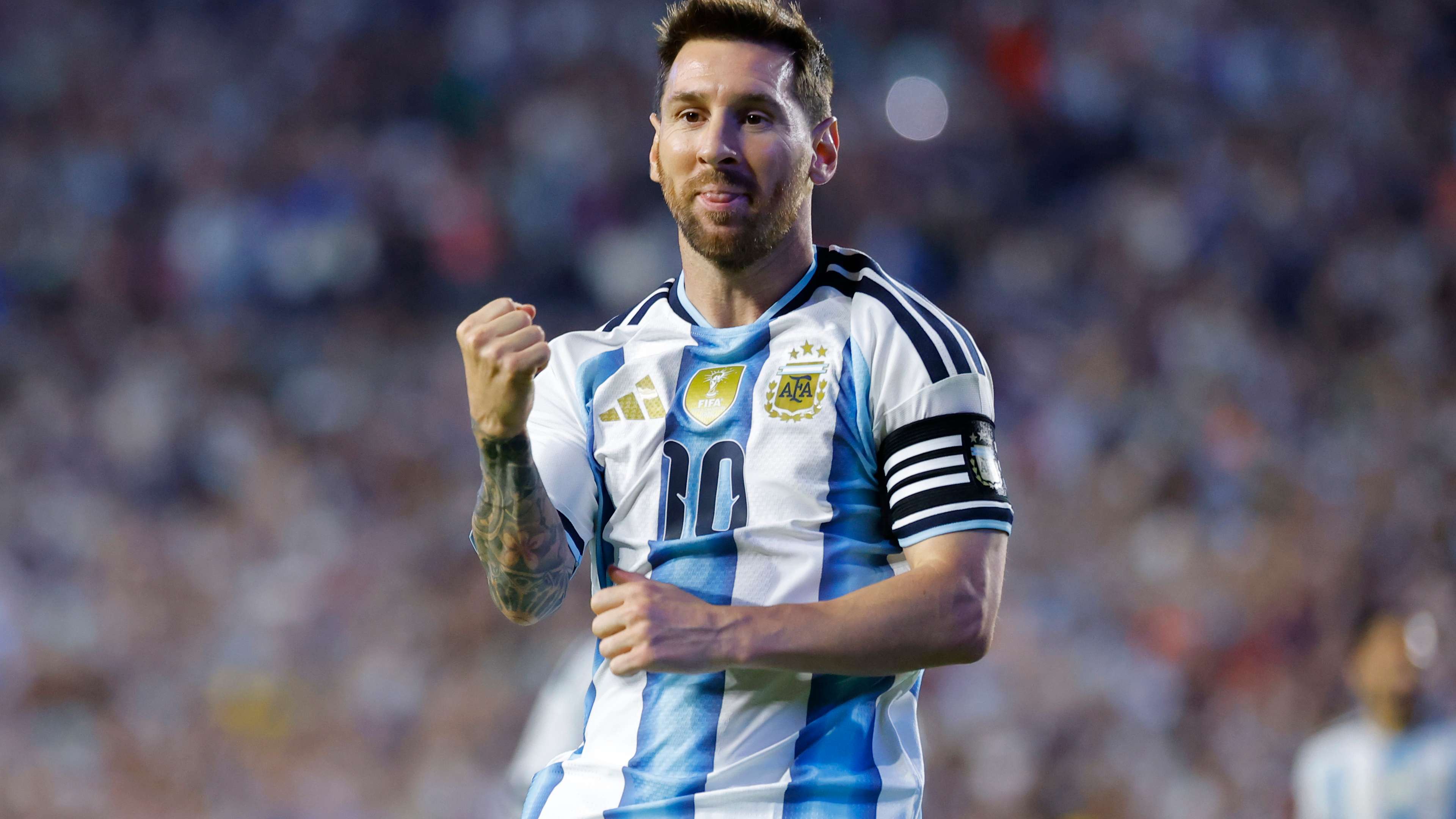
Then came Lionel Messi, who entered in the 70th minute. With his first touch, he sent a brilliant through ball to Lautaro, who missed the chance before earning a penalty moments later.
Messi stepped up to convert from the spot in the 72nd minute, netting his 117th goal in 199 appearances for Argentina.
The captain made his impact felt again in the 87th minute, initiating the move that culminated in Thiago Almada’s goal.
In just over 20 minutes on the pitch, Messi showed he has fully recovered from his muscle fatigue.
Argentina will open their World Cup campaign next Tuesday (June 16) against Algeria, with Austria and Jordan completing Group J.
Photo: Todd Kirkland - 2026 Getty Images