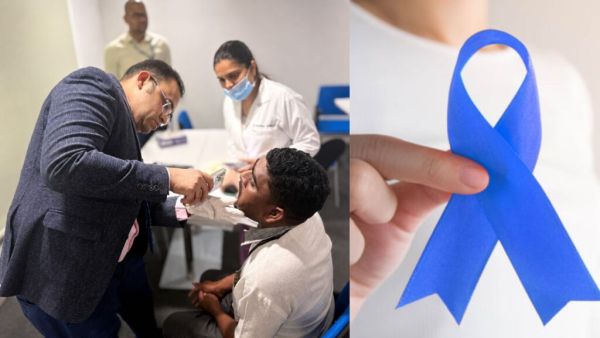
On World No Tobacco Day, March to May 2026, a community-based survey on tobacco use and oral cancer screening conducted in Thane and surrounding areas of Maharashtra has revealed a wide gap between awareness and actual behaviour. Kim’s Hospital Dr. Hitesh R. Singhvi and Dr. 456 citizens were examined in this survey conducted under the leadership of Anil Hiroor. It included various social elements including temples, mosques, railway stations, bank employees, auto-rickshaw drivers and communities of domestic women.
Fitness Tips: Gym, running or yoga… why warm-up is necessary before exercise? find out
77.2 percent of the people surveyed were aware that tobacco can cause oral cancer. However, out of 162 current tobacco users, 142 (87.7 percent) were found to be using tobacco despite knowing the dangers. Simply put, almost 9 out of every 10 people who smoke tobacco have not given up the habit despite knowing its side effects. This shows that awareness is not enough but the grip of addiction is stronger.
The study found that 35.5 percent of the participants were current tobacco users. The consumption of smokeless tobacco products was found to be higher than smoking. One in four people reported being exposed to second-hand smoke. Also, only 23.5 percent had tried to quit smoking in the last one year. Interestingly, only 20.4 percent had received guidance from a health professional to quit tobacco, highlighting a major gap in addiction support services.
Oral cancer screening detects many early warning signs. About 28 percent of participants showed a decrease in the ability to open their mouths, an important symptom of oral submucous fibrosis (OSMF), a potentially precancerous condition. This condition is associated with tobacco and betel nut consumption. In addition, 7.9 percent of the participants had chronic non-healing lesions in their mouths. Some individuals were diagnosed with precancerous oral diseases such as leukoplakia and OSMF. In this survey, 96.7 percent of participants were screened, highlighting the importance of timely identification of high-risk individuals through community-based screening programs.
Dr. Hitesh R. Singhvi said, “The most important lesson from this survey is that awareness alone does not guarantee action. Most people who use tobacco are aware of the dangers, but addiction is a major problem. More effective counseling, addiction support and community-level involvement are needed to help people quit.”
Dr. Anil Hiroor said, “Early diagnosis is the most effective weapon in the fight against oral cancer. Regular screening and timely treatment can save many lives, especially in high-risk groups.” He added, “Routine screening for oral cancer can save around 40,000 lives every year. Early diagnosis is the most effective way to reduce the growing burden of oral cancer in India.”
These findings make it clear that although public awareness campaigns have increased public knowledge, the next major challenge is to convert that knowledge into long-term behavior change. The message this World No Tobacco Day is clear – risk awareness is not enough; Quitting tobacco truly saves lives. The theme of this year’s World No Tobacco Day, “Unmasking the Appeal: Exposing Industry Tactics on Tobacco and Nicotine Products,” expresses concern about the aggressive marketing practices of tobacco and nicotine products and their increasing use among youth.
Regional Director of Kim’s Hospital Shri. Saurabh Gupta said, “There is a growing misconception that vaping is safer than smoking. The amount of nicotine in some vape devices can be equivalent to hundreds of cigarettes, increasing the risk of addiction and long-term health problems, especially among young people.” According to Kim’s Hospital, sustained awareness campaigns, easily accessible de-addiction services and regular community-based oral cancer screening programs will be crucial to reducing the incidence of tobacco- cancers.
Diabetes: Want to keep diabetes under control? Daily ‘these’ habits will be a boon, blood sugar will remain under control