
Manoj Tripathi/Amrut Vichar. The Azteca Stadium is playing host to the opening match of the World Cup in history. This historic stadium located in Mexico City has witnessed many of the greatest moments in world football.
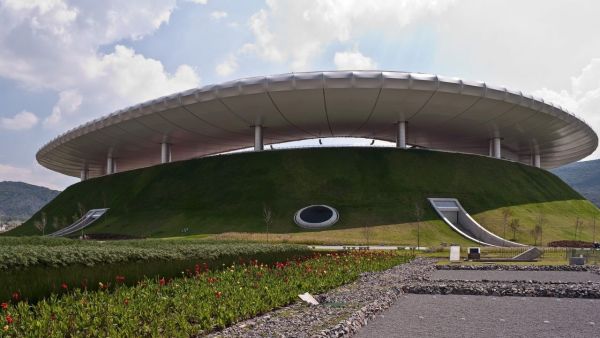
Pelé and Diego Maradona have both lifted World Cup trophies here. The Azteca Stadium building resembles a giant concrete sombrero, a traditional Mexican hat, in the Sant Ursula Coapa area, which sits on parts of the volcano that spewed its last smoke in the 4th century.
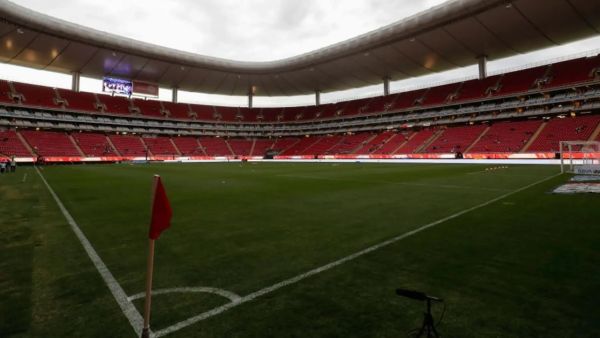
To feel and understand this unique stadium you have to go inside it. Here you can feel the air being thin, due to Mexico City being located 2,200 meters above sea level. After renovation, the stadium was named Estadio Banotena after a Mexican banking group, but people still call it Azteca.
At some distance from here is the Church of Santa Ursula, who is considered the patron saint of this area. Currently the official of this stadium, Pelé and Maradona both lifted the World Cup football winning trophy here, ‘Goal of the Century’ and ‘Match of the Century’ are associated with it. Memories are made of the stadium, which last smoked in the fourth century. The capacity is 87,500, whereas before the rejuvenation, more than one lakh spectators used to come here.
The idea for this stadium dates back to the early 1960s, when Mexico felt the need for a bigger stadium to compete with the world football giants. The stadium was then designed by architects Pedro Ramirez Vazquez and Rafael Mijares on a plot of land in the Santa Ursula Coapa area, south of Mexico City.
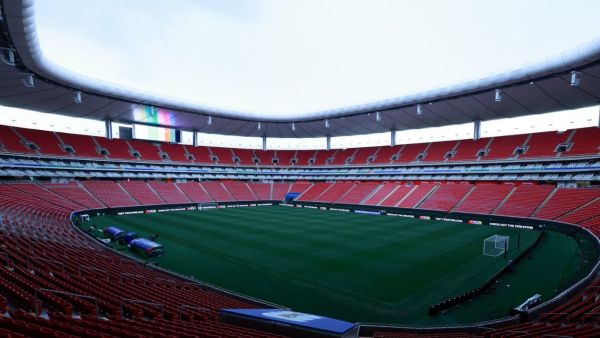
Construction began in August 1962 and lasted four years. The stadium was officially inaugurated on May 29, 1966. The giant concrete blocks on the stadium’s exterior are reminiscent of the patterns on Aztec pyramids. The first match at the Azteca was between Club America and Torino of Italy. After this, this stadium has been continuously hosting important matches including the final of the Mexican League.