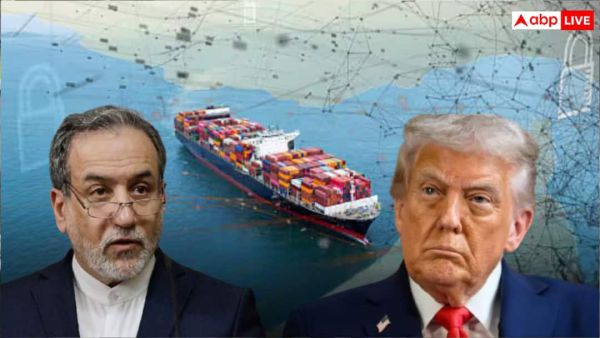
The details of a proposed 14-point peace agreement between the United States and Iran have emerged ahead of its expected signing in Geneva on June 19, offering a glimpse into the framework aimed at ending months of conflict and restoring stability in the region.
The reported Memorandum of Understanding (MoU), published by Iran's Mehr News Agency, outlines provisions ranging from a permanent ceasefire and the reopening of the Strait of Hormuz to the release of frozen Iranian assets and discussions on Tehran's nuclear programme.
However, the reported terms have not yet been officially confirmed by either Washington or Tehran and could undergo changes before formal negotiations conclude.
According to the reported framework, the agreement will be implemented in three phases.
Phase 1: Announcement of MoU (June 14)
Phase 2: Within 30 Days of Signing (June 19)
Phase 3: Within 60 Days
The reported memorandum includes the following provisions:
US President Donald Trump announced the completion of the peace agreement on Sunday, describing it as a breakthrough for regional stability.
"This great agreement will bring peace and security to the entire region. After the agreement is signed, the Strait of Hormuz will fully open," Trump said in a post on Truth Social.
Iran, meanwhile, referred to the arrangement as a Memorandum of Understanding and described it as the outcome of months of difficult negotiations.
According to a statement issued by Iran's Supreme National Security Council, the agreement was finalised on June 14 after prolonged talks and reflected what Tehran described as a victory achieved through public support and military resilience.
The agreement is expected to be formally signed in Geneva on June 19.
Iran will be represented by Foreign Minister Abbas Araghchi and Parliament Speaker Mohammad Bagher Ghalibaf, while US Vice President J. D. Vance is expected to attend on behalf of Washington.
If implemented, the agreement could mark a major turning point in US-Iran relations and have significant implications for regional security, global energy markets and maritime trade through the Strait of Hormuz.