The Daruma doll, a symbol of perseverance and good fortune in Japanese culture, is inspired by Bodhidharma, the founder of Zen Buddhism. With its rounded, weighted base, it always returns upright no matter how many times it is tipped over.
This enduring spirit perfectly captures the essence of the Japanese saying nanakorobi yaoki — "fall down seven times, get up eight." True triumph is not about avoiding setbacks, but about the courage to rise again after each fall.
In that vein, the Japan national team that took the field on Sunday afternoon in Arlington, Texas, resembled a group of Daruma dolls more than footballers. Each time they were toppled, they bounced back, ready for the next challenge with unwavering determination.
The build-up to the 2026 World Cup had been turbulent for Japan, with key forwards Takumi Minamino and Kaoru Mitoma sidelined due to injuries. To compound matters, captain Wataru Endo withdrew because of a foot problem and announced his retirement from international duty.
Despite these setbacks, anticipation was high for this clash between the Netherlands (ranked 8th by FIFA) and Japan (ranked 18th). The encounter more than met expectations, delivering one of the most thrilling contests of the World Cup so far and keeping all 69,285 fans in Arlington captivated until the final whistle.
Donyell Malen offered the first real warning sign, holding up play before spinning sharply and forcing Japanese goalkeeper Zion Suzuki into an early save. The Dutch continued to press forward, with Suzuki denying Jan Paul van Hecke’s close-range header.
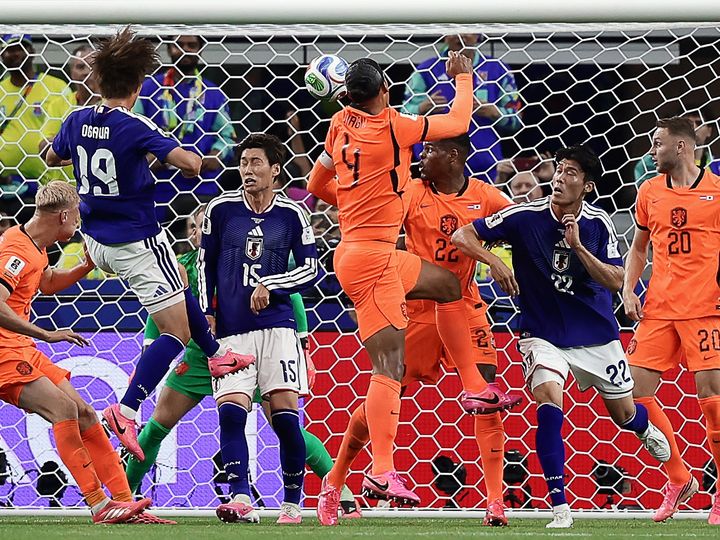
After a tense opening half, the game opened up when Ryan Gravenberch whipped in a dangerous cross for his Liverpool teammate Virgil van Dijk, who nodded the ball past Suzuki. Japan hit back almost instantly as Keito Nakamura, using his weaker right foot, struck a shot that crept past Bart Verbruggen at the near post.
Gravenberch then added another assist, setting up Crysencio Summerville on the edge of the box. The West Ham winger cut inside on his left foot and unleashed a powerful strike that flew into the bottom-left corner, restoring the Dutch lead with precision and flair.
It seemed Japan’s hopes were fading, especially when creative playmaker Takefusa Kubo was substituted in the 75th minute after picking up a knock. The Netherlands nearly sealed the win when Cody Gakpo’s fierce low drive forced another strong save from Suzuki.
But like the Daruma doll that never stays down, Japan refused to give up. Their inverted wingers and adventurous wingbacks continued to trouble the Dutch defence. Manager Ronald Koeman’s conservative substitutions — bringing on Teun Koopmeiners for Summerville and Nathan Aké for Gravenberch — only invited more pressure.
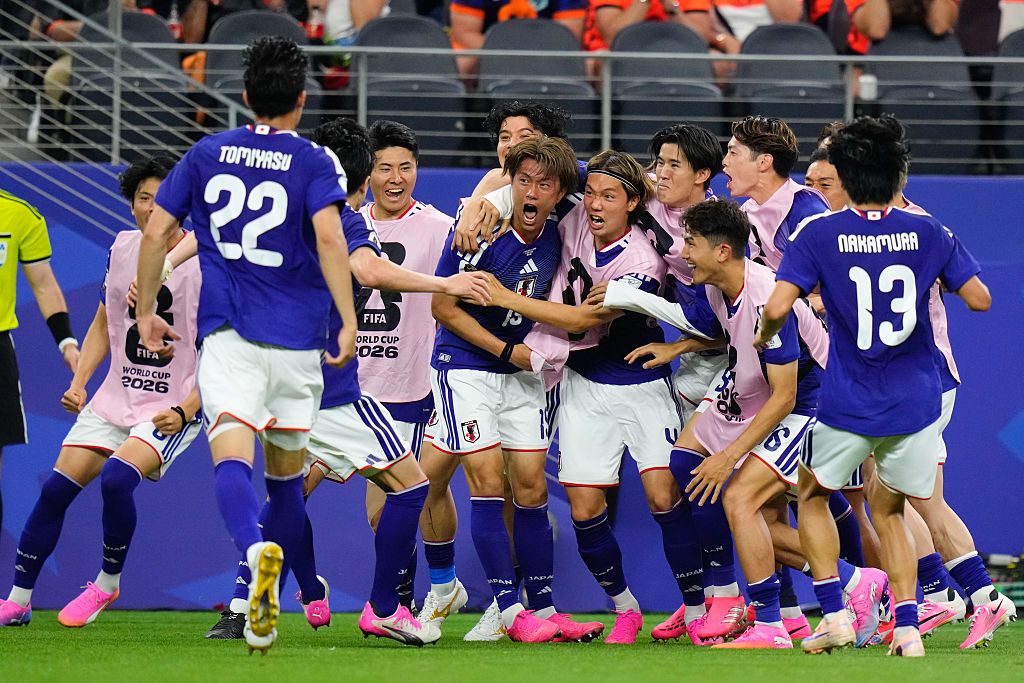
Although the Netherlands appeared stronger on paper, Japan’s relentless energy and discipline told a different story. Their perseverance was finally rewarded in the 89th minute when substitute Koki Ogawa delivered a pinpoint corner for Daichi Kamada, who headed home the equaliser to secure a deserved draw for the Samurai Blue.
“[Japan] managed to be tenacious and at the same time patient, keeping calm and seizing their chances,” said Japan manager Hajime Moriyasu after the match. “I’m very proud they maintained their rhythm, but our goal was to take all three points, not just one. In that sense, it’s a bit disappointing.”
Japan will now aim for their first win of the tournament when they face Tunisia in Monterey, Mexico, before returning to Arlington to play Sweden. Meanwhile, the Netherlands will seek to dethrone Group F leaders Sweden in Houston before meeting Tunisia in Kansas City.