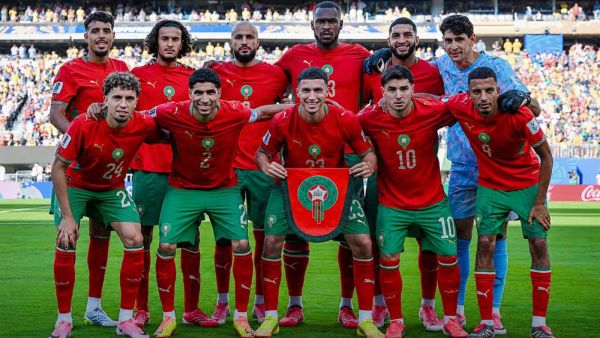
Knowledgeable football lovers who recently watched the drawn (1-1) match between Morocco and Brazil in the ongoing FIFA World Cup 2026, would not have been surprised that a lesser-known team like Morocco was able to finish on level terms with the superpower of world football.
In fact, Morocco went ahead first, before the individual brilliance of Brazil’s superstar Vinicius Junior helped the country catch up.
For the Lions of the Atlas Mountains – as the Moroccan team is called – it was nothing new. In the 2022 edition of the FIFA World Cup, Morocco had created a sensation by beating some of Europe’s strongest teams like Belgium, Spain and Porugal.

But how has Morocco reached this level? Is there something that India can learn from them?
Morocco’s rise in international football is one of the most remarkable sporting success stories of the decade. After years of underachievement, the Moroccan Football Federation embarked on a comprehensive modernisation program. New stadiums were built, training facilities were upgraded and professional coaching methods were introduced. Thereby, the nation embarked on a serious and committed journey to improve its football.
The most significant symbol of Morocco’s football revolution is the Mohammed VI Football Academy. It was inaugurated by King Mohammed VI in 2009 as an initiative to develop football in the country. The rapid results produced by this academy has led to its recognition as a world class football academy on par with the best in the world.
The academy combines elite football training with education, sports science and medical support. Several members of Morocco’s World Cup squads, including players such as Youssef En-Nesyri and Nayef Aguerd, rose to great heights after gaining a solid foundation at the academy.
At the 2022 World Cup, several members of the Moroccan team that went up to the semi-finals were from this academy. The trainees also helped Morocco win the 2025 Under 20 World Cup in Chile.
Morocco’s move to recruit players of Moroccan heritage from Europe has paid off. Stars such as Achraf Hakimi, Hakim Ziyech and Noussair Mazraoui developed their careers in countries such as Spain, France and the Netherlands before choosing to represent their home nation.
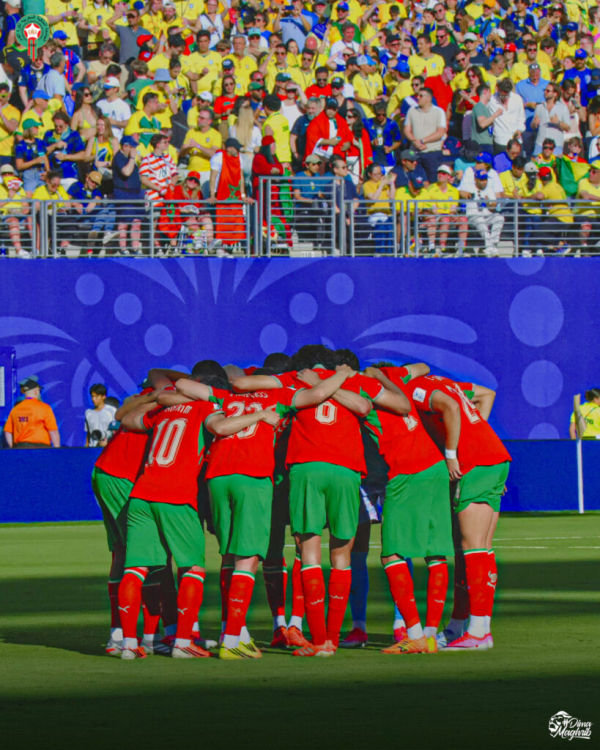
Under Chief Coach Walid Regragui, Morocco has developed an extraordinary sense of purpose and determination. During the 2022 World Cup, the team’s discipline, tactical organisation and collective commitment were very obvious to all. Football occupies a special place in Moroccan culture. The country has Africa’s most passionate supporters. Clubs such as Wydad AC and Raja CA regularly attract huge crowds and create an environment where young players become inspired to dream of reaching the highest level.
Unlike some surprise teams that shine briefly and disappear, Morocco’s success rests on structural foundations. Its academies, scouting networks, infrastructure, youth development and extensive talent pool are likely to keep Morocco at the highest level in the future. With the country set to co-host the 2030 FIFA World Cup along with Spain and Portugal, investment is likely to continue flowing into the sport.
Morocco’s squad at the 2026 FIFA World Cup combines experienced stars from the famous 2022 semi-final team with an exciting new generation. After holding Brazil to a 1-1 draw in their opening Group C match, several players have emerged as particularly important.
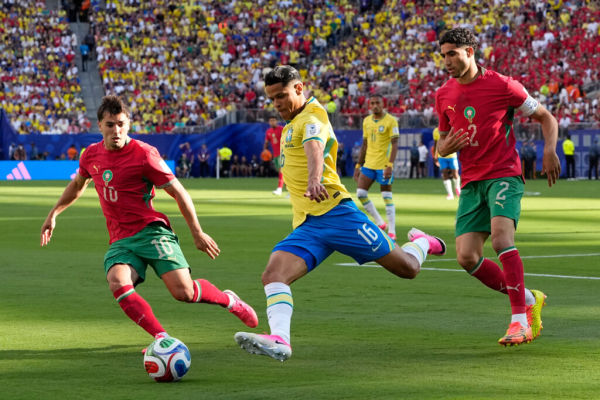
The team has a top-class captain and leader in the experienced Achraf Hakimi. He remains Morocco’s most influential player. One of the world’s best attacking right-backs, he provides pace, creativity and leadership in equal measure. Yassine Bounou, the veteran goalkeeper, continues to be Morocco’s last line of defence.
He made several key saves against Brazil and remains one of the tournament’s top goalkeepers. Brahim Diaz, Morocco’s most technically gifted attacker, capable of creating and scoring goals, is a powerful threat for all rivals.
Then there is Ismael Saibari Ben El Basra, who scored Morocco’s goal against Brazil. He has become one of the team’s most dangerous attacking midfielders. Giving him excellent support is Azzedine Ounahi – the elegant playmaker who helps Morocco control possession and dictate tempo.
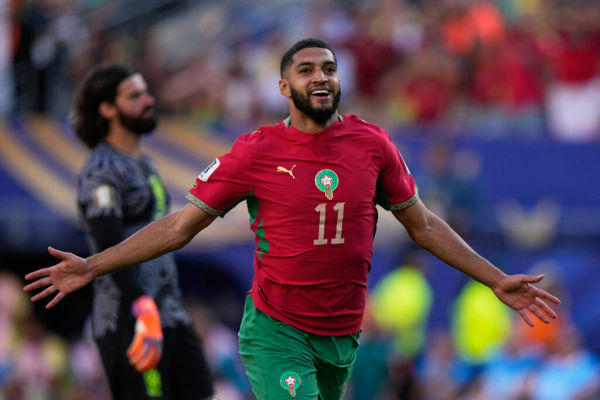
Ayyoub Bouaddi, the 18-year-old midfielder is being talked about as one of the breakout stars of the tournament. His performance against Brazil drew widespread praise.
At the moment, the three biggest names in the Moroccan team are probably Hakimi, Bono and Brahim Diaz, while Saibari and Bouaddi are emerging as the tournament’s breakout performers. Morocco’s blend of experienced leaders and young talent is the reason why many observers regard them as one of the game changing teams in the 2026 World Cup.
The Atlas Lions are on the hunt and their rivals must take precautions or they will be ambushed.